中国特色的估值体系

Search documents
原证监会主席易会满被查 曾提出“四个敬畏”
Jing Ji Guan Cha Wang· 2025-09-06 04:59
Core Viewpoint - Yi Huiman, the former chairman of the China Securities Regulatory Commission (CSRC), is under investigation for serious violations of discipline and law, marking a significant event in the Chinese financial regulatory landscape [2][19]. Group 1: Background of Yi Huiman - Yi Huiman was born in December 1964 in Cangnan, Zhejiang, and has held various significant positions in the banking sector, including chairman of the Industrial and Commercial Bank of China (ICBC) and chairman of the CSRC [4][19]. - He served as the ninth chairman of the CSRC from January 26, 2019, until February 6, 2024, during which he oversaw major reforms in the capital market [5][7]. Group 2: Achievements and Reforms - Under Yi's leadership, the capital market underwent significant reforms, including the establishment of the Sci-Tech Innovation Board and the implementation of the registration system [6][14]. - The Shanghai Composite Index rose from approximately 2,601.72 points to 3,288 points during his early tenure, reflecting a 24.52% increase [11]. - Overall, from 2019 to early 2024, the index experienced fluctuations, with a notable peak of 3,715.37 points in September 2022 before declining to 2,702.19 points by February 2024 [12][13]. Group 3: Regulatory Focus and Challenges - Yi emphasized the importance of "four respects" in market regulation: respect for the market, respect for the law, respect for professionalism, and respect for risk [10]. - In 2023, the CSRC focused on maintaining market stability, implementing measures such as tightening IPO and refinancing processes in response to market conditions [16]. Group 4: Investigations and Implications - Several former colleagues from ICBC have faced investigations for corruption, indicating a broader scrutiny of the banking and regulatory sectors [21][22]. - The investigation into Yi Huiman aligns with a trend of accountability within the financial regulatory framework, as evidenced by the disciplinary actions against other officials in the CSRC [23][24].


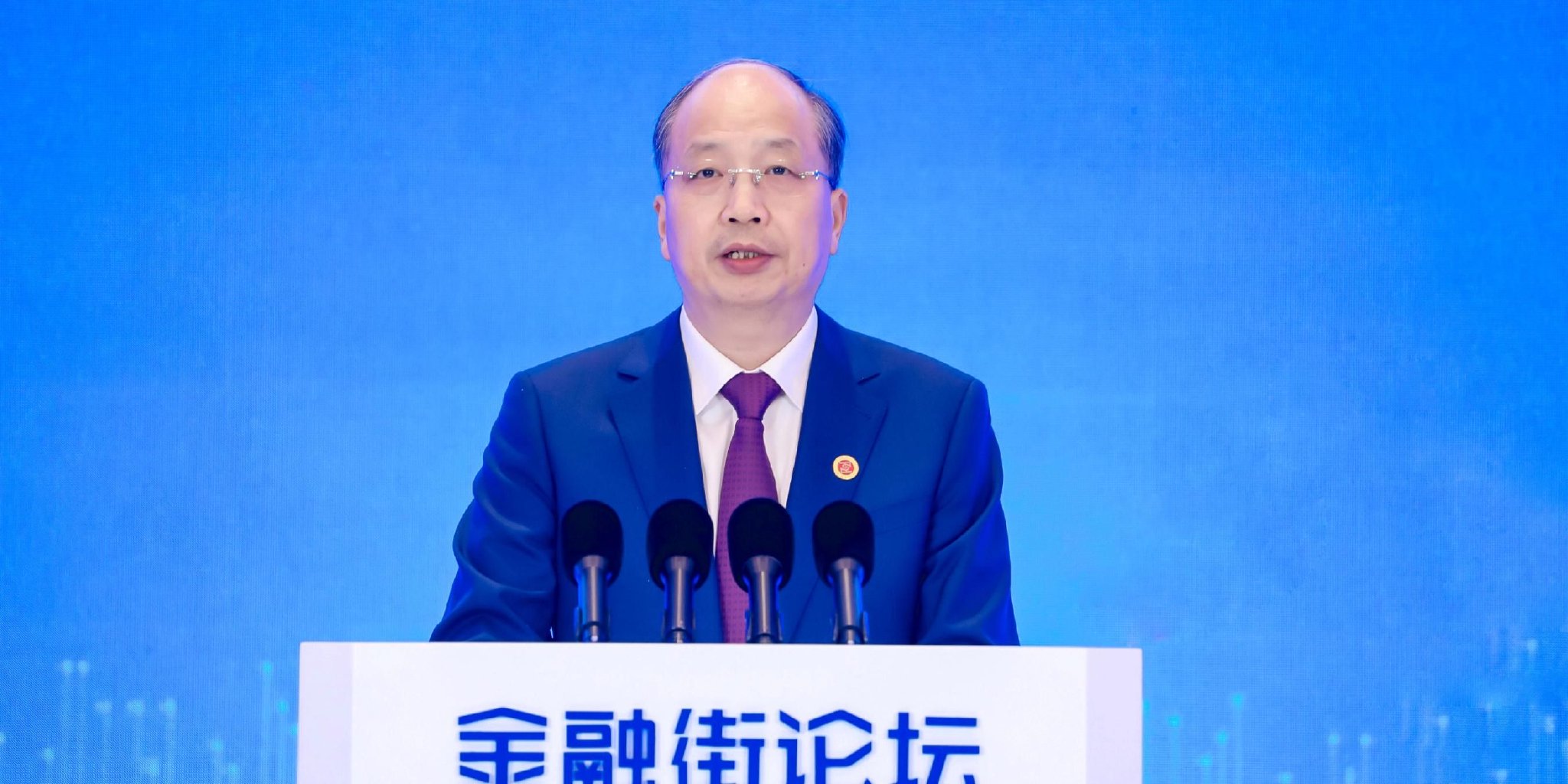
原证监会主席易会满被查 曾提出“四个敬畏”
经济观察报· 2025-09-06 04:28
Core Viewpoint - The article discusses the significant reforms and developments in China's capital markets during Yi Huiman's tenure as the chairman of the China Securities Regulatory Commission (CSRC), highlighting both achievements and challenges faced in the market [1][10]. Group 1: Yi Huiman's Tenure and Achievements - Yi Huiman served as the chairman of the CSRC from January 26, 2019, to February 6, 2024, during which he oversaw major reforms including the establishment of the Sci-Tech Innovation Board and the implementation of the registration system [3][10]. - Under Yi's leadership, the Shanghai Composite Index (SSE) rose from 2601.72 points to a peak of 3715.37 points, reflecting a significant market recovery and growth during his initial years [8][9]. - The introduction of the registration system in 2023 marked a milestone in China's capital market reform, aiming to enhance market efficiency and transparency [12]. Group 2: Market Performance and Reforms - The SSE experienced a 24.52% increase from approximately 2600 points to 3288 points shortly after Yi's appointment, indicating a positive market response to his leadership [8]. - The reforms initiated during Yi's tenure included the launch of the Sci-Tech Innovation Board on July 22, 2019, which opened new avenues for technology-driven companies to access capital [10]. - The revised Securities Law, effective from March 1, 2020, was a significant step towards enhancing the regulatory framework and investor protection in the capital markets [10]. Group 3: Challenges and Market Stability - Despite initial successes, the SSE faced volatility, with the index dropping to 2702.19 points by February 5, 2024, indicating challenges in maintaining market stability [8][9]. - In response to market fluctuations, the CSRC announced measures to tighten IPO and refinancing processes in August 2023, reflecting a proactive approach to stabilize the market [12]. - Yi Huiman emphasized the importance of respecting market dynamics, legal frameworks, professional standards, and risk management as guiding principles for future reforms [7].

官宣!原证监会主席、30余载工行老将易会满被查
Jing Ji Guan Cha Wang· 2025-09-06 04:22
Core Viewpoint - Yi Huiman, the former chairman of the China Securities Regulatory Commission (CSRC), is under investigation for serious violations of discipline and law, marking a significant event in the Chinese financial regulatory landscape [2][4]. Group 1: Background of Yi Huiman - Yi Huiman was born in December 1964 in Cangnan, Zhejiang, and has held various significant positions in the banking sector, including chairman of the Industrial and Commercial Bank of China (ICBC) and chairman of the CSRC [4][5]. - He served as the CSRC chairman from January 26, 2019, to February 6, 2024, during which he oversaw major reforms in the capital market, including the establishment of the Sci-Tech Innovation Board and the implementation of the registration system [5][6]. Group 2: Capital Market Reforms - Under Yi's leadership, the Shanghai Composite Index rose from 2,601.72 points to a peak of 3,715.37 points, reflecting a 24.52% increase shortly after he took office [5]. - The establishment of the Sci-Tech Innovation Board on July 22, 2019, marked a significant reform, allowing technology companies greater access to capital markets [6]. - The comprehensive implementation of the registration system in A-shares on February 17, 2023, was a milestone in the reform process [6]. Group 3: Recent Developments and Investigations - Following Yi's departure from the CSRC, several former colleagues from ICBC have been investigated for corruption, indicating a broader scrutiny of the banking and regulatory sectors [8][11]. - The investigation into Yi Huiman comes amid a backdrop of increased regulatory actions against former officials in both the banking and securities sectors, highlighting ongoing efforts to address corruption [12][13].
申万宏源王胜:我们正站在中国资产长线上涨的前夜
晚点LatePost· 2025-04-09 15:09
Core Viewpoint - The article discusses the ongoing impact of the U.S.-China trade dispute, particularly the significant increase in tariffs, and questions the validity of the previously discussed revaluation logic for Chinese assets in light of these developments [1][5]. Market Reactions - Following the announcement of increased tariffs, global financial markets experienced a sharp decline, with the U.S. stock market losing over $6 trillion and the Hong Kong stock market erasing all gains for the year [1]. - The VIX index, a measure of market volatility, surged to 60 points, nearing levels seen during the COVID-19 pandemic and the 2008 financial crisis [2][3]. Chinese Market Outlook - Despite the trade tensions, there is a belief that the Chinese market can provide certainty to global investors, supported by government measures such as interest rate cuts and increased state investment in the stock market [5]. - Factors supporting the A-share market include stabilizing housing prices in major cities, progressive fiscal policies, and government initiatives to reduce competition among businesses [5][8]. Economic and Policy Factors - The gradual recovery of housing prices is expected to improve risk appetite among investors, while increased fiscal deficits will support macroeconomic recovery [8]. - The emergence of AI applications is anticipated to enhance productivity and create new demand, positioning private enterprises favorably in China's economic transformation [6][8]. Investment Strategies - Investors are advised to be patient and focus on valuation as a protective measure during periods of uncertainty [6][18]. - The shift from a financing market to an investment market in China is highlighted, with a significant increase in dividend payouts expected to attract long-term capital [19]. Future Market Dynamics - The article suggests that the current market volatility may lead to a reallocation of household savings into the stock market, similar to trends observed in previous bull markets [14][18]. - The potential for a long-term bull market is supported by the belief that the Chinese economy is on the verge of significant advancements, particularly in technology and manufacturing [10][12]. External Influences - The article notes that external factors, such as the U.S. trade policies and global economic conditions, will continue to influence the Chinese market, but the resilience of the Chinese supply chain is emphasized [6][10]. - The role of foreign capital is also discussed, with passive funds showing interest in Chinese stocks despite active funds withdrawing, indicating a complex sentiment towards the market [20].