
中国航天事业

Search documents
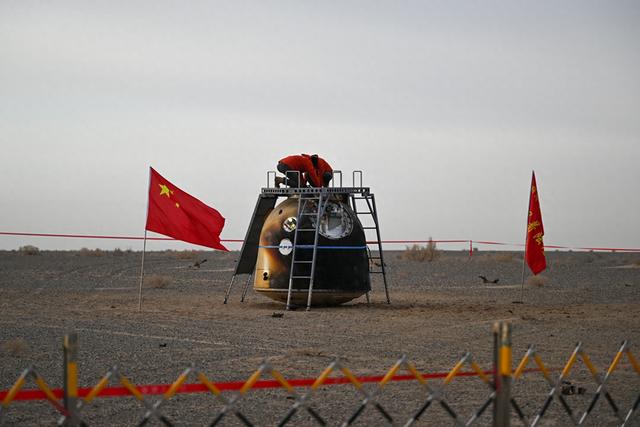
神舟二十号,带回一套衣服
Xin Lang Cai Jing· 2026-01-19 06:51
Core Viewpoint - The Shenzhou-20 spacecraft successfully returned to Earth, marking the completion of its mission and the retirement of the space suit B, which has supported 20 extravehicular activities [1][2]. Group 1: Mission Success - The Shenzhou-20 spacecraft's return capsule landed successfully at the Dongfeng landing site, with overall normal conditions confirmed for the capsule and its contents [1][2]. - The Shenzhou-20 crew completed their third extravehicular activity on August 15, 2025, with space suit B achieving the milestone of supporting 20 extravehicular activities over four years [1]. Group 2: Space Suit B Significance - Space suit B, known as "Space Blue," has been worn by multiple astronauts and is seen as a testament to China's rapid advancements in space exploration [4]. - The suit is crucial for astronauts to perform tasks outside the space station, such as equipment installation and external component replacement [4]. Group 3: Future Developments - Currently, there are three types of extravehicular suits (A, B, C) in the Chinese space station, with new suits D and E expected to enhance performance and lifespan from three years and 15 missions to four years and 20 missions [6].

洛阳籍航天员陈冬第三次太空出差归途在即 “这是人民对他的重托,我一次比一次放心”
He Nan Ri Bao· 2025-11-04 23:34
Core Points - The Shenzhou 20 mission marks China's fifth crewed flight during the space station application and development phase, and the 35th launch of the manned space program [3] Group 1: Mission Overview - The Shenzhou 20 crew, led by commander Chen Dong, is set to return from their space mission, having completed four extravehicular activities and various scientific experiments [2] - Chen Dong has become the first astronaut from China's second batch to fly three times, accumulating over 400 days in space and completing six extravehicular activities, making him the astronaut with the longest duration in orbit and the most spacewalks in Chinese history [1][2] Group 2: Family Support and National Pride - Chen Dong's parents express pride in their son's contributions to China's space endeavors, emphasizing the importance of national achievements [2] - The family has shown unwavering support for Chen Dong's responsibilities as an astronaut and commander, highlighting the collective effort behind individual success in the space program [2]
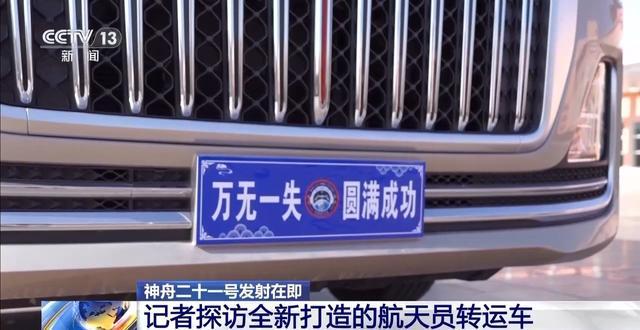
记者探访全新打造的航天员转运车
Huan Qiu Wang Zi Xun· 2025-10-30 06:05
Core Viewpoint - The Shenzhou 21 astronaut crew is set to launch, with all support preparations nearly complete, including a fully upgraded transport vehicle designed specifically for the mission [1]. Group 1: Transport Vehicle Features - The new transport vehicle has been customized over six months and officially joined the Jiuquan Satellite Launch Center in September [1]. - The vehicle retains a dignified design, featuring a license plate with the phrase "万无一失 圆满成功" instead of numbers [1]. - The seating capacity has been reduced to 15, with four specialized seats designed for astronauts [3]. - The specialized seats are wider at 60 centimeters and feature six-way electric adjustments for comfort while wearing bulky space suits [5]. Group 2: Symbolism and Safety Enhancements - The vehicle emphasizes the ceremonial and honorific aspects of the astronauts' mission, with "China Manned Space" logos on each headrest and ambient lights on the door steps [6][8]. - The transport vehicle is equipped with explosion-proof tires for enhanced safety during transit [9]. - It includes a communication system for seamless contact with the command center [9]. - Additional amenities such as a desk, mini fridge, and air purifier reflect meticulous care for the astronauts' physical and mental well-being [11]. Group 3: High-Profile Escort and National Pride - The transport team utilizes a high-profile escort with the Hongqi vehicle team and honor guard motorcycles, highlighting the importance placed on the astronauts and the mission [13]. - The moment of the astronauts' departure symbolizes the remarkable progress of China's space endeavors and instills a sense of confidence and pride among the Chinese people [15].
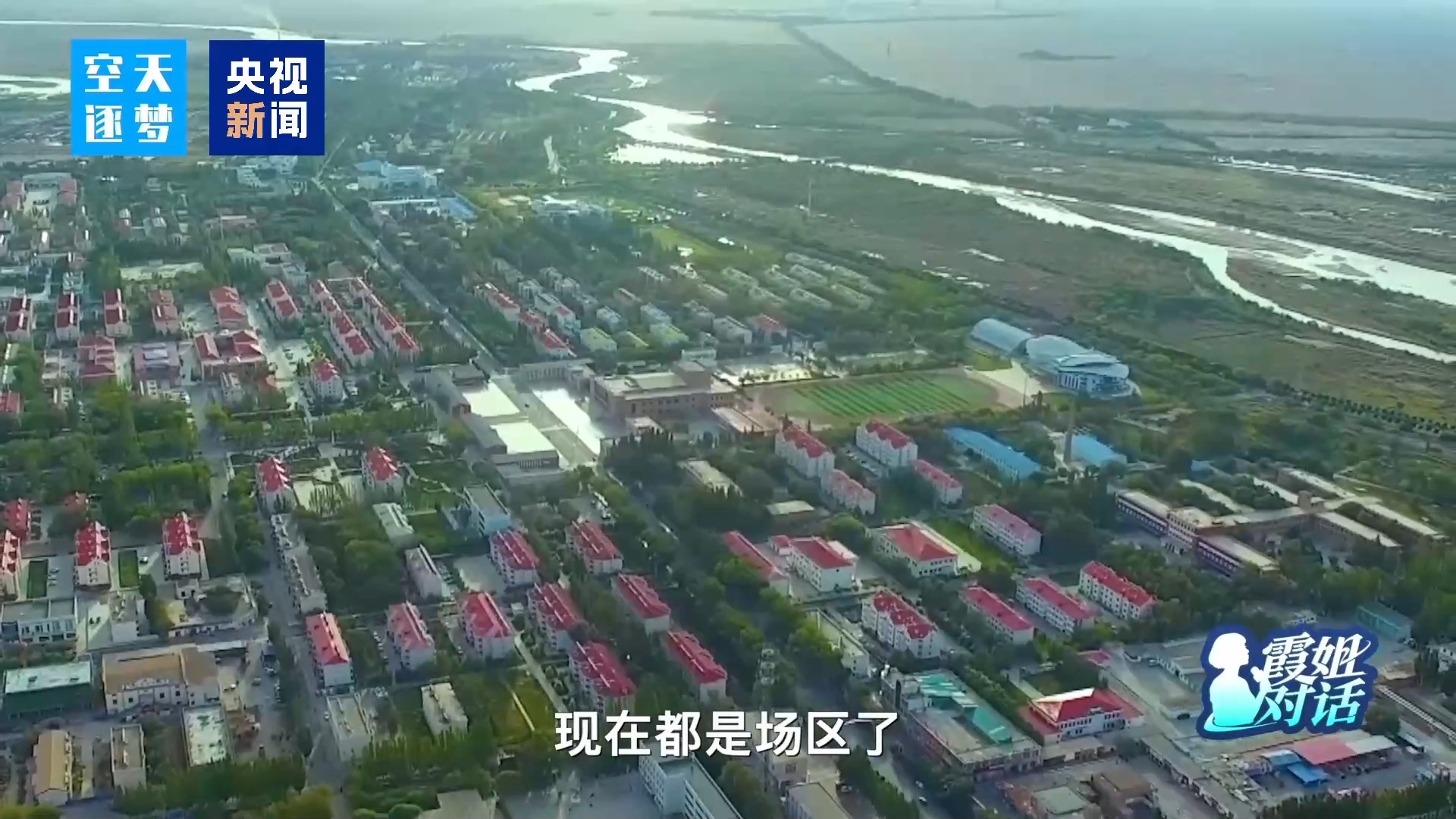
视频丨神舟二十一号发射在即 去东风航天城解锁“最幸福的事”
Huan Qiu Wang Zi Xun· 2025-10-29 13:20
Core Viewpoint - The article highlights the significant developments and historical milestones of the Dongfeng Space City over the past 20 years, emphasizing its role in China's manned space program and the evolution of the infrastructure and community surrounding it [1][3][11]. Infrastructure Development - The road leading to the launch site has transformed from a single-lane dirt road to a dual four-lane asphalt road, reflecting the growth in accessibility and infrastructure [3][7]. - The area has seen an increase in buildings and facilities, indicating a substantial development in the community surrounding the space center [7][9]. Historical Context - Dongfeng Space City, established in 1958, has been a home for countless aerospace professionals and has witnessed the evolution of China's space missions, starting from the Shenzhou 6 mission in 2005 [1][9][11]. - The article notes that since the first Chinese astronaut entered space in 2003, the frequency of manned missions has increased significantly, showcasing the advancements in China's space capabilities [11][12]. Community and Culture - The local community has adapted to the presence of the space program, with residents expressing pride and a sense of belonging to the ongoing space endeavors [7][9]. - The article draws a parallel between the resilience of the local Hu Yang trees and the dedication of the aerospace professionals, highlighting a shared commitment to growth and excellence in their respective fields [14][18]. Technological Advancements - The maturity and reliability of the Long March 2F rocket have improved significantly over the past two decades, reflecting advancements in technology and human capacity within the aerospace sector [12][16]. - The ongoing development of the Chinese space station and the frequency of launches demonstrate the increasing complexity and ambition of China's space missions [16][18].
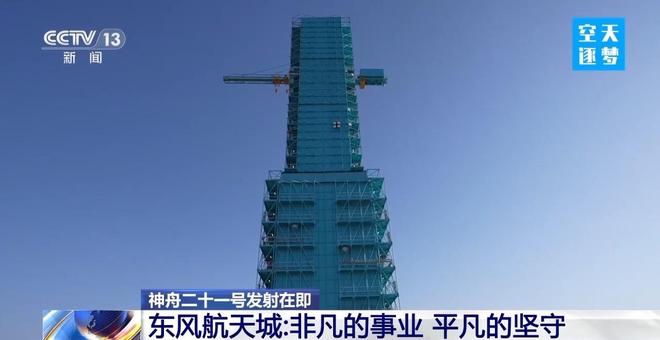
火箭发射成为生活一部分 中国航天人把非凡事业变成平凡坚守
Yang Shi Xin Wen· 2025-10-29 06:17
Core Viewpoint - The article highlights the evolution of the Dongfeng Aerospace City over the past 20 years, emphasizing its significance in China's space exploration and the integration of space missions into the daily lives of local residents [1][3][11]. Group 1: Development of Dongfeng Aerospace City - Dongfeng Aerospace City, also known as Jiuquan Satellite Launch Center, has transformed from a simple dirt road to a dual-lane asphalt road, reflecting significant infrastructure improvements [1]. - The area has seen an increase in buildings and facilities, indicating growth and development in support of China's space missions [1][3]. - Local residents have adapted to the frequent rocket launches, viewing them as a normal part of life [3]. Group 2: Historical Context and Achievements - Established in 1958, Dongfeng Aerospace City has become a home for numerous aerospace professionals, marking its importance in China's space history [3]. - Since the first manned spaceflight in 2003, the frequency of astronaut missions has increased, showcasing advancements in China's space technology [5]. - The article notes the generational shift in the workforce, with younger individuals joining the aerospace sector, indicating a continuous evolution of skills and technology [7]. Group 3: Cultural Significance - The article draws a parallel between the resilience of the Populus euphratica (a symbol of the region) and the dedication of aerospace professionals, highlighting their commitment to the field [9]. - The normalization of extraordinary achievements in space exploration reflects a deep-rooted passion among those involved in the industry [11].

“跟着电影做科普”在蓝星种下航天梦 激发建设祖国澎湃动能
Yang Shi Wang· 2025-10-21 07:24
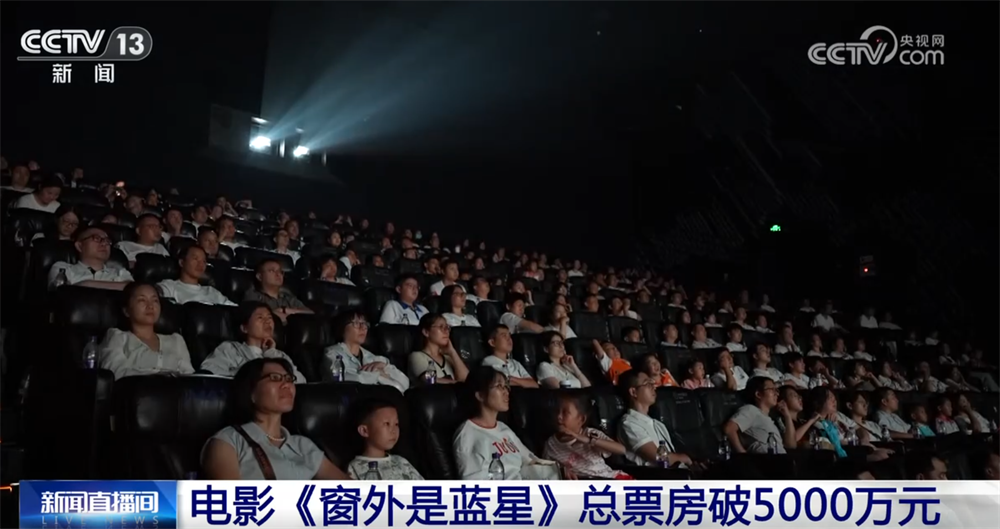
Core Insights - The first space documentary film from China, "Outside is the Blue Planet," has surpassed a total box office of 500 million yuan and has attracted over 1.3 million viewers, ranking first among domestic documentary films in 2025 [1][5] - The film, produced by the China Central Radio and Television, features stunning 8K visuals of space and heartfelt emotional narratives, resonating widely with audiences [1][5] Box Office and Audience Reception - The film's total box office has exceeded 500 million yuan, with over 1.3 million viewers [1] - It has received the highest ratings among domestic documentary films in 2025 across multiple platforms, and it ranks first in audience satisfaction since 2018 [5] International Impact - "Outside is the Blue Planet" has been screened in over 35 countries and regions, including the United States, Italy, Hungary, and the UAE, showcasing China's technological achievements in space exploration [5] - The film has garnered positive feedback from international audiences, with notable praise from experts such as Professor Alexander Mansurov from Johns Hopkins University, who described it as a perfect piece of art [7] Educational Outreach - The film's creative team has conducted over 30 offline events in more than 20 cities, promoting science education through initiatives like "Follow the Movie for Science" [9] - In educational settings, such as the Jiangxi Science Museum, students have engaged with the film, expressing awe at the visuals of Earth from space [9][11] Inspirational Goals - The director, Zhu Yiran, aims to inspire young audiences by planting a "seed" of interest in space and science, encouraging them to pursue knowledge and contribute to national development [13]
70年前的今天,钱学森回国!
Huan Qiu Wang Zi Xun· 2025-10-08 08:37
Core Viewpoint - The article commemorates the 70th anniversary of Qian Xuesen's return to China, highlighting his significant contributions to China's aerospace industry and his unwavering determination to return to his homeland despite facing severe challenges and restrictions during his time in the United States [1][4][6]. Group 1: Qian Xuesen's Journey - Qian Xuesen was detained in the U.S. for five years under false accusations, during which he faced inhumane treatment but remained resolute in his desire to return to China [1][4]. - His letter written on cigarette paper in 1955 expressed his longing to return and contribute to China's development, which eventually reached Premier Zhou Enlai [4][6]. - Qian Xuesen returned to China on October 8, 1955, after extensive diplomatic efforts [4]. Group 2: Contributions to Aerospace - After returning, Qian Xuesen played a crucial role in establishing and planning China's rocket and space programs, utilizing his expertise in aerodynamics and rocket engines [6][8]. - Under his leadership, China's first missile, Dongfeng-1, was successfully launched on November 5, 1960, marking the beginning of China's missile program [8]. - By 1966, China successfully conducted the "two bombs and one satellite" tests, becoming the fifth country capable of delivering nuclear weapons via its own missiles [8]. Group 3: Legacy in Manned Spaceflight - Qian Xuesen's pivotal input led to the initiation of the manned space program, known as the "921 Project," which officially started in September 1992 [9]. - The successful launch of Shenzhou 5 in 2003 marked a significant milestone, with Yang Liwei becoming the first Chinese astronaut in space [9][11]. - Qian Xuesen continued to be a source of inspiration for astronauts, with each returning astronaut visiting him to share their achievements [11][12]. Group 4: Lasting Impact - The article emphasizes that the success of China's aerospace endeavors is rooted in Qian Xuesen's long-standing dedication and contributions, which opened new horizons for the nation's space exploration [14].

海南航天主题美术摄影作品展在海口开展
Hai Nan Ri Bao· 2025-10-04 01:19
Core Viewpoint - The "Towards the Sky, Pursuing Dreams" Hainan Aerospace Themed Art and Photography Exhibition showcases the achievements of China's space industry through artistic expressions, aiming to inspire and educate the public about technological advancements and national pride [1][2]. Group 1: Exhibition Details - The exhibition features 40 art pieces and 20 photography works, highlighting the visual aesthetics of aerospace themes and the dedication of researchers [1]. - The exhibition is held in Haikou and will run until October 6, after which it will tour to Jiuquan in Gansu, Alxa in Inner Mongolia, and Wenchang in Hainan [2]. Group 2: Artistic Contributions - The artworks reflect the spirit of innovation, struggle, and responsibility associated with China's technological progress, as expressed by participating artists [1]. - The exhibition aims to provide a visual feast that combines technological and humanistic elements, especially during the National Day celebrations [1].
墨西哥中国文化中心举办太空实拍纪录电影《窗外是蓝星》点映活动
人民网-国际频道 原创稿· 2025-09-28 03:11
Core Points - The event for the premiere of China's first 8K space documentary film "Outside is the Blue Planet" was held in Mexico City, showcasing China's achievements in space exploration and the beauty of the universe [1][2] - The film was shot by Chinese astronauts and presents their extraordinary journey during a six-month stay at the space station, combining scientific exploration with human emotions [1][2] Group 1 - The film utilizes domestic ultra-high-definition photography technology to capture the work and life of astronauts in the space station [2] - The event was organized by the Mexico China Cultural Center and the Latin America branch of China Central Television, attended by over 50 local residents [1] - The film aims to enhance understanding of China's technological advancements and inspire interest in space exploration among the Mexican audience [2] Group 2 - Audience reactions were overwhelmingly positive, with many expressing that it was their first experience of such clear and realistic space imagery [2] - The film not only highlights China's space achievements but also reflects the shared human aspiration to explore the universe [2]

“沙漠玫瑰”——记酒泉卫星发射中心的巾帼博士
Xin Hua She· 2025-04-30 18:57
Core Viewpoint - The article highlights the contributions of female scientists at the Jiuquan Satellite Launch Center, referred to as "Desert Roses," showcasing their dedication and achievements in China's space industry. Group 1: Achievements and Innovations - The establishment of the Flight Test Evaluation Center significantly reduced the time required to generate rocket flight evaluation reports from 3-7 days to just 1-3 minutes, marking a qualitative leap in efficiency [3][8]. - The successful launch of the Shenzhou 20 manned spacecraft on April 24 was a result of meticulous data evaluation by engineers at the Flight Test Evaluation Center, emphasizing the importance of real-time data monitoring [1][2]. Group 2: Personal Stories and Contributions - Dr. An Jinxia, who has been instrumental in building the Flight Test Evaluation Center, dedicated herself to meaningful work and led her team to complete the center in less than six months [5][8]. - Zheng Dan, inspired by her idol, contributed to key projects at the Jiuquan Satellite Launch Center, expressing her commitment to the space industry despite feeling she may never reach the heights of her predecessors [9][10]. - Wen Xun, motivated by her husband's work in the area, chose to contribute her knowledge to the national space efforts, balancing multiple responsibilities in her role [11]. Group 3: Team Spirit and Dedication - The article emphasizes the team spirit among the female scientists, with anecdotes illustrating their commitment and hard work, such as An Jinxia's late-night efforts to ensure project success [6][7]. - Dr. Cheng Yu's team developed a new generation of space measurement and control data processing systems, enhancing the reliability and stability of data analysis for space missions [12].