
中国 - 东盟自贸区

Search documents
与时俱进、不断发展 中国-东盟自贸区惠及20多亿人口
Yang Shi Xin Wen Ke Hu Duan· 2026-01-11 15:44
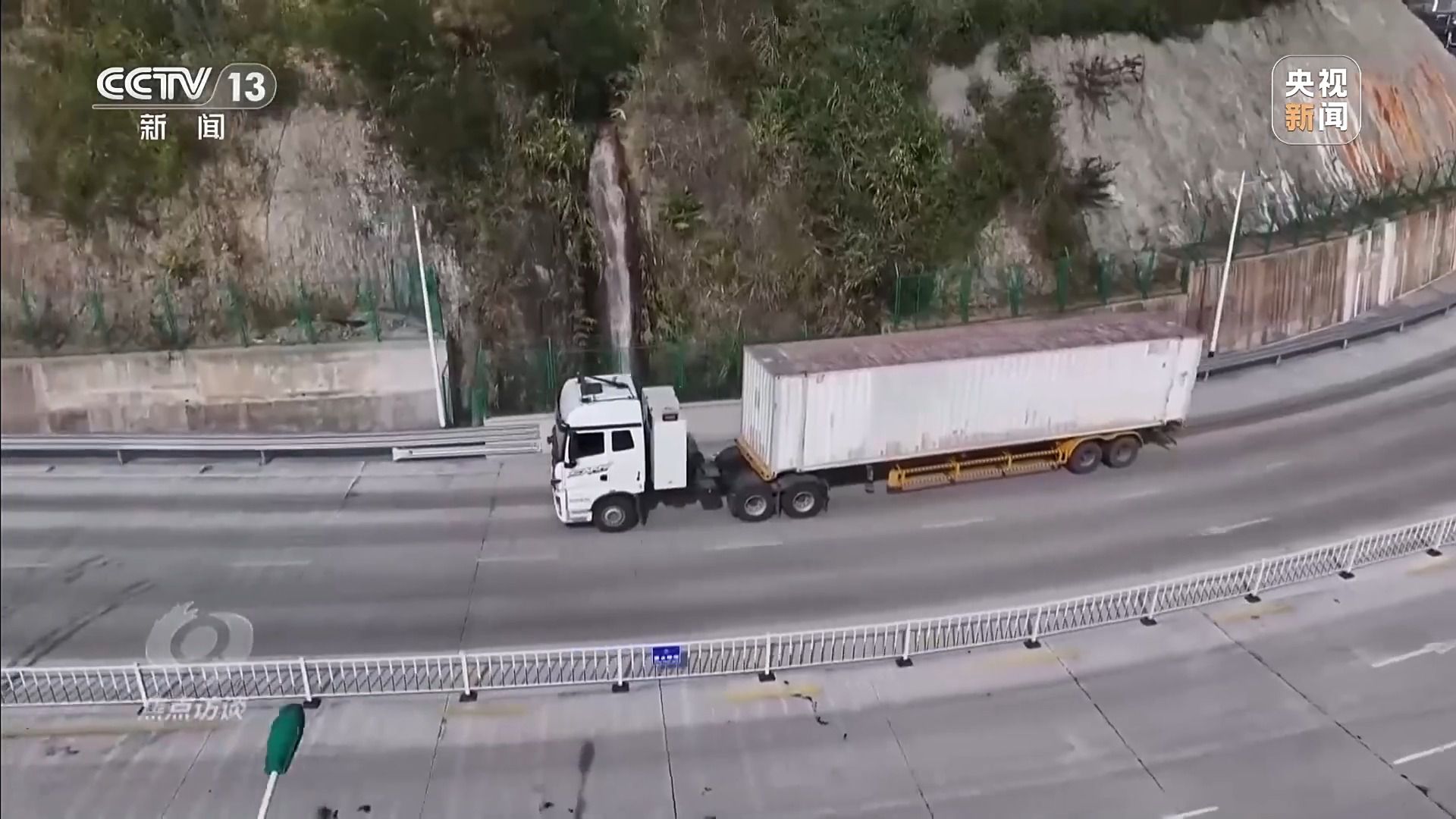
Core Insights - The China-ASEAN Free Trade Area (CAFTA) has significantly developed over the past 16 years, benefiting over 2 billion people, with China being ASEAN's largest trading partner for 16 consecutive years and ASEAN being China's largest trading partner for 5 years [1][11] - The signing of the CAFTA 3.0 upgrade protocol on October 28, 2025, marks a significant enhancement in trade facilitation and cooperation between China and ASEAN, moving towards a more integrated economic community [1][8] Group 1: Trade and Economic Cooperation - The CAFTA has evolved from a focus on goods trade to a deeper integration of industrial and value chains, establishing a "community of shared destiny" [1][11] - The total trade value within the CAFTA has reached 6.82 trillion yuan, making it one of the most dynamic free trade areas globally [11][23] - The 3.0 upgrade protocol aims to enhance trade facilitation by breaking down barriers and improving efficiency in trade processes [8][10] Group 2: Technological Advancements - The Guangxi Friendship Pass port has implemented advanced technologies, including AI and autonomous driving, to improve customs efficiency by approximately 75% [4][6] - The integration of digital technologies in the 3.0 protocol is expected to streamline customs declarations and enhance transparency in trade processes [10][22] Group 3: New Areas of Cooperation - The 3.0 protocol introduces cooperation in emerging fields such as digital and green economies, reflecting a forward-looking approach to economic collaboration [14][16] - The protocol encourages mutual recognition of technical compliance standards among member countries, facilitating smoother trade in new sectors [16][18] Group 4: Support for SMEs - The 3.0 protocol includes specific measures to support small and medium-sized enterprises (SMEs), enhancing their capacity to participate in international trade [22][20] - Initiatives such as information sharing and e-commerce support are designed to help SMEs benefit from the free trade area [22][20] Group 5: Future Implications - The CAFTA 3.0 upgrade signifies a shift from a focus on tariff reductions to a more comprehensive institutional openness, enhancing the business environment for enterprises [22][23] - The protocol is positioned to provide a replicable model for global trade governance, contributing to the construction of a community with a shared future for humanity [22][23]

出口专题:中国出口多元化成功的逻辑
Xinda Securities· 2025-12-05 11:34
Group 1: Market Diversification Strategy - China's market diversification strategy has been in place for over 30 years, initiated in the early 1990s to reduce reliance on the US, Japan, and Western Europe[7] - Export dependence on the US has decreased from over 36% in 2011 to 26% by Q3 2025, indicating a significant shift in trade dynamics[10] - Exports to ASEAN have increased to 18% of total exports, while exports to countries involved in the Belt and Road Initiative now account for over 50%[10] Group 2: Strategic Complementarity with Trade Partners - The success of China's export diversification is attributed to strategic complementarity with key trade partners, particularly ASEAN and Africa[1] - ASEAN and China have developed a tight industrial chain collaboration, with Vietnam importing 30% of intermediate goods and 43% of capital goods from China in 2023[18] - China provides significant funding support to Africa, with a commitment of 360 billion RMB for infrastructure development under the PIDA framework[23] Group 3: Growth Opportunities in Emerging Markets - Emerging markets, particularly ASEAN and Africa, are expected to be key areas for export growth in the coming year, driven by favorable trade policies and reduced tariffs[27] - The US's imposition of tariffs has led many countries to seek more stable trade relationships with China, enhancing its export opportunities[27] - China's ongoing tariff reductions for African countries, including 100% tariff exemptions for 33 least developed nations, are expected to facilitate further trade growth[28] Group 4: Risk Factors - Potential risks include insufficient growth policy support, lower-than-expected global economic conditions, and unexpected trade frictions[29]
城记 | 一周聚焦:中国-东盟自贸区3.0版升级,长三角开放答卷亮眼
Xin Hua Cai Jing· 2025-11-01 12:58
Core Insights - The signing of the China-ASEAN Free Trade Area 3.0 upgrade protocol during the 47th ASEAN Summit enhances the cooperation between the Yangtze River Delta and ASEAN markets, solidifying the region's role in international trade [1] Trade Dynamics - China has maintained its position as ASEAN's largest trading partner for 16 consecutive years, while ASEAN has been China's largest trading partner for 5 years [1] - By 2024, bilateral trade between China and five ASEAN countries (Vietnam, Malaysia, Indonesia, Thailand, Singapore) is expected to exceed 100 billion USD, with trade with Vietnam and Malaysia surpassing 200 billion USD [1] - In the first three quarters of 2025, ASEAN remained the largest trading partner for the Yangtze River Delta, with import and export volume reaching 2.01 trillion CNY, a year-on-year increase of 18.9% [1] Regional Contributions - Shanghai's imports and exports with ASEAN reached 474.82 billion CNY in the first three quarters of this year, growing by 12.5%, significantly higher than the city's overall import and export growth of 5.4% [2] - Zhejiang's exports to ASEAN amounted to 188.52 billion CNY, with a year-on-year growth of 21.7%, highlighting the region's potential in the ASEAN market [3] - Jiangsu's trade with ASEAN reached 791.73 billion CNY, a 22.8% increase, with significant growth in consumer goods and electronic products [4] - Anhui's trade with ASEAN totaled 100.81 billion CNY, growing by 39.8%, with a remarkable 71.0% increase in imports and exports from Hefei [4] Product Categories - In Shanghai, mechanical and electrical products accounted for 61.5% of exports to ASEAN, with significant growth in integrated circuits and mobile phones [2] - Zhejiang's "New Three Samples" (newly emerging products), auto parts, and ships showed impressive growth rates of 49.5%, 28.0%, and 28.6% respectively [3] - Jiangsu saw explosive growth in consumer goods such as cosmetics and daily necessities, alongside strong performance in electronic consumer products [4] Investment and Services - In the first three quarters, Zhejiang issued 488,000 certificates of origin under the China-ASEAN Free Trade Agreement, valued at 142.92 billion CNY, benefiting enterprises by approximately 12.8 billion CNY [3] - Jiangsu's investment in ASEAN countries reached 1.67 million USD, accounting for 25% of the city's total foreign investment [4] - Nanjing's service outsourcing cooperation with ASEAN countries reached 860 million USD in the first half of this year, continuing to grow by 22% [4]