折扣零食

Search documents
4年时间门店从0增至960家,全国开店的零食品牌,如今陷入闭店争议!官方回应:主动放缓是策略,不是叫停加盟
新浪财经· 2025-12-29 09:30
Core Viewpoint - The discount retail chain Haotemai is facing challenges with store closures in major cities and a slowdown in new franchise openings, indicating potential operational difficulties and increased competition in the discount snack market [2][4][11]. Group 1: Store Operations and Expansion - Haotemai has been reported to close stores in key urban areas such as Guangzhou, Changsha, Hangzhou, and Beijing, with a significant reduction in planned new store openings for 2025 [2]. - The company claims that the overall store closure rate remains below 5%, and the closures are part of a strategic decision rather than a halt in franchise opportunities [4]. - As of December 2023, Haotemai has approximately 954 stores, showing a marked slowdown in growth compared to previous years [8]. Group 2: Competitive Landscape - The discount snack sector is becoming increasingly competitive, with major players like Meituan, JD.com, and Hema entering the market, putting pressure on Haotemai's pricing and market share [8][11]. - Many of Haotemai's products are reported to have prices comparable to regular supermarkets, diminishing its competitive edge [11]. Group 3: Product Quality and Consumer Feedback - There have been numerous consumer complaints regarding product quality, including issues with expired or moldy snacks, which could harm the brand's reputation [14]. - The company has been expanding its product categories, particularly in beauty products, with the SKU proportion increasing from 10% to 14% and revenue share from 11% to 15% from 2020 to 2024 [18]. Group 4: New Business Ventures - Haotemai has ventured into the warehouse discount sector, opening its first super warehouse in Nanjing, which offers a wider range of products beyond snacks [19].


4年时间门店从0增至960家,好特卖如今陷入闭店争议!官方回应
Mei Ri Jing Ji Xin Wen· 2025-12-28 22:47
Core Viewpoint - The discount retail chain Haotemai is facing store closures in multiple cities, with new franchise applications being halted in some areas, indicating a significant slowdown in expansion plans [1][4]. Group 1: Store Closures and Business Strategy - Haotemai is reportedly closing stores in major cities such as Guangzhou, Changsha, Hangzhou, and Beijing, with a projected reduction in new store openings to only a few dozen by 2025 [1][4]. - The company claims that the closures are part of normal operational decisions by franchisees or direct stores, with an overall closure rate of less than 5% for the year [3]. - Internal sources indicate that closures are primarily due to issues like high rental costs, lease expirations, and poor performance of certain stores [3]. Group 2: Company Growth and Competition - Founded in 2020, Haotemai has rapidly expanded, opening nearly 1,000 stores within four years and securing five rounds of financing from various investors [4]. - As of April 2023, the company had over 500 stores across 32 cities, with plans to add approximately 50 new stores monthly and expand to 100 cities by the end of the year [7]. - However, competition has intensified with major players like Meituan, JD.com, and Hema entering the discount snack market, putting pressure on Haotemai's growth [7]. Group 3: Pricing and Quality Issues - Haotemai's pricing for several snack items has been criticized for lacking a competitive edge, with some products priced similarly to regular supermarkets [8]. - Consumer complaints regarding product quality have surfaced, with reports of stale or spoiled items being sold [10]. - To counter competition, Haotemai has increased its beauty product offerings, with the share of beauty SKUs rising from 10% to 14% and revenue from beauty products increasing from 11% to 15% from 2020 to 2024 [14]. Group 4: New Business Ventures - In November 2024, Haotemai opened its first super warehouse in Nanjing, expanding its product range to include clothing, beauty products, and luxury items, although this model is currently a supplement to its main business [15].
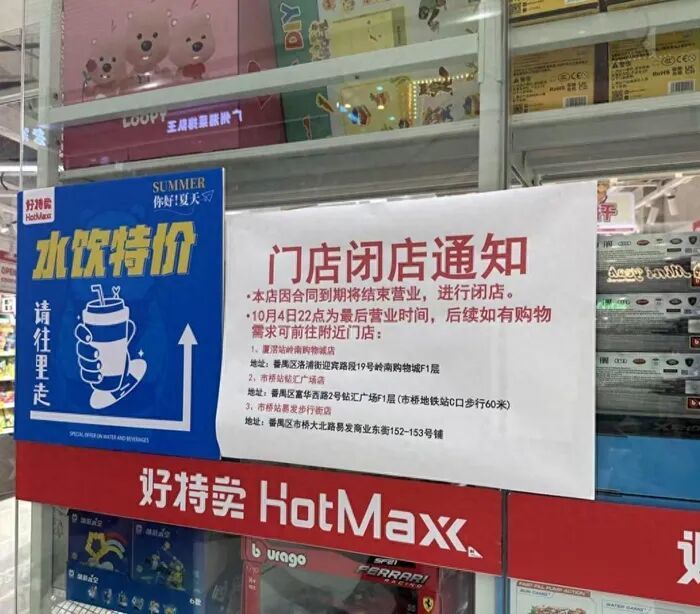
4年时间门店从0增至960家 全国开店的零食品牌 如今陷入闭店争议!官方回应:主动放缓是策略,不是叫停加盟
Mei Ri Jing Ji Xin Wen· 2025-12-28 16:28
Core Viewpoint - The discount retail chain Haotemai is facing store closures in multiple cities, with new franchise applications being halted in some areas, indicating a significant slowdown in its expansion plans [1][2]. Group 1: Store Closures and Business Strategy - Haotemai is reportedly closing stores in major cities such as Guangzhou, Changsha, Hangzhou, and Beijing, with a projected reduction in new store openings to only a few dozen by 2025 [1][3]. - The company claims that the closure of stores is a normal operational choice by franchisees or direct stores, with an overall closure rate not exceeding 5% for the year [2]. - Internal sources indicate that closures are primarily due to issues like high rental costs, lease expirations, and poor performance of certain stores [2]. Group 2: Company Growth and Competition - Founded in 2020, Haotemai has rapidly expanded, opening nearly 1,000 stores within four years and securing five rounds of financing from various investors [3]. - As of December 18, 2025, the number of Haotemai stores is approximately 954, showing a noticeable slowdown in growth [3]. - The competitive landscape has intensified with major players like Meituan, JD.com, and Hema entering the discount snack market, increasing pressure on Haotemai's survival and growth [3]. Group 3: Product Pricing and Quality Issues - Haotemai's pricing for several snack products has lost its competitive edge, with prices comparable to those in regular supermarkets [4]. - Consumer complaints regarding product quality have surged, with reports of moldy and expired snacks being common on complaint platforms [6][10]. Group 4: Product Line Expansion - In response to competition, Haotemai has increased its focus on beauty products, with the SKU proportion rising from 10% to 14% and revenue share from 11% to 15% between 2020 and 2024 [11]. - The company has also ventured into the warehouse discount sector, opening its first super warehouse in Nanjing, which offers a wider range of products, although this model currently serves as a supplement to its main business [11].
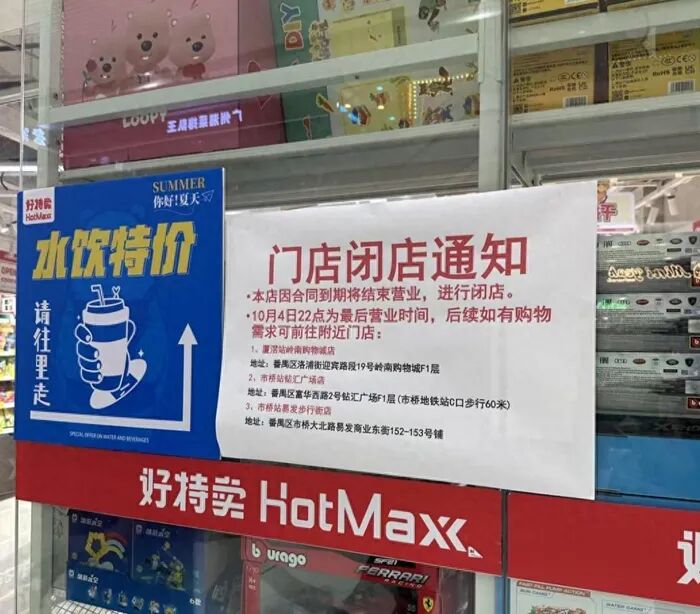
4年时间门店从0增至960家,全国开店的零食品牌,如今陷入闭店争议!官方回应:主动放缓是策略,不是叫停加盟
Mei Ri Jing Ji Xin Wen· 2025-12-28 15:47
Core Viewpoint - The discount retail chain Haotemai is facing store closures in multiple cities, with new franchise opportunities being halted in some areas, indicating a significant slowdown in its expansion plans [1][2]. Group 1: Store Closures and Franchise Halts - Consumers have reported that Haotemai is closing stores in major cities such as Guangzhou, Changsha, Hangzhou, and Beijing, with a notable reduction in new store openings planned for 2025 [1]. - Haotemai claims that the closures are a normal operational choice by franchisees or direct stores, with an overall closure rate of less than 5% for the year [2]. - Internal sources indicate that closures are primarily due to issues like high rental costs, lease expirations, and poor performance of certain stores [2]. Group 2: Company Background and Expansion - Established in 2020, Haotemai has rapidly expanded, opening nearly 1,000 stores within four years and securing five rounds of financing from various investors [3]. - By April 2023, Haotemai had over 500 stores across 32 cities and aimed to add approximately 50 new stores monthly, targeting 100 cities by the end of the year [7]. - As of December 18, 2025, the number of Haotemai stores is approximately 954, indicating a significant slowdown in growth [7]. Group 3: Competitive Landscape and Pricing Issues - The discount snack market has become increasingly competitive, with major players like Meituan, JD.com, and Hema entering the space, putting pressure on Haotemai's market position [7]. - Many of Haotemai's snack prices are reported to be similar to those in regular supermarkets, diminishing its competitive edge [8]. - Consumer complaints regarding product quality have surfaced, with reports of expired or spoiled items being a significant concern [10]. Group 4: Product Diversification and New Ventures - In response to competition, Haotemai has increased its beauty product offerings, with the SKU proportion rising from 10% to 14% and revenue share from 11% to 15% between 2020 and 2024 [14]. - Haotemai has also ventured into the warehouse discount sector, opening its first super warehouse in Nanjing in November 2024, expanding its product range to include clothing, beauty, and luxury items [16].
“消费分化”而非“消费降级”!基金经理被“上了一课 ”
券商中国· 2025-05-05 12:32
Core Viewpoint - The Hong Kong stock market has seen a significant rise in new consumer brands, indicating a shift in consumer behavior towards either extreme cost-effectiveness or high-end products, challenging previous consumption narratives [1][2]. Group 1: Market Performance - As of April 30, 2023, the stock prices of several new consumer brands in Hong Kong have shown remarkable growth, with Lao Pu Gold increasing by over 198%, Gu Ming and Mi Xue Group rising over 140%, and Pop Mart and Mao Ge Ping increasing by 116% and 83% respectively [1]. - The performance of these brands suggests a departure from the traditional "long slope, thick snow" narrative in the consumer sector, with a focus on identifying alpha opportunities [1]. Group 2: Consumption Trends - The concept of "consumption downgrade" is being replaced by "consumption differentiation," as highlighted by fund managers who note that the Chinese consumer market is vast and complex, with varying demands across different segments [2]. - A notable example includes a Hong Kong-listed cosmetics company that has maintained high gross margins, projected to exceed 84% in 2024, while its stock price has risen over 80% this year [2]. Group 3: Consumer Behavior Insights - Research indicates that traditional high-end jewelry brands are still experiencing positive sales growth, while new entrants like Gu Fa Gold are attracting entry-level customers from these brands [3]. - The purchasing behavior for gold jewelry is heavily influenced by traditional festivals, with some stores seeing up to 40% of annual sales concentrated around these events [3]. Group 4: Supply and Demand Changes - New consumer demands are emerging, particularly among younger generations who are increasingly interested in self-indulgent and interest-driven purchases, as well as new retail models like discount snacks and membership supermarkets [4]. - The retail landscape is evolving with a focus on higher efficiency across various dimensions, reflecting a shift in supply-side dynamics [4]. Group 5: Investment Strategies - Fund managers emphasize the need for deeper insights into current consumer trends, moving away from passive investment strategies to actively capturing alpha opportunities [5]. - The consumer landscape remains vibrant, with a more rational approach to spending, particularly among high-net-worth individuals who seek emotional satisfaction rather than simply opting for well-known brands [5][6]. Group 6: Emerging Opportunities - The rise of "phenomenal" consumer companies has prompted fund managers to explore new investment avenues, particularly in sectors catering to younger and older demographics, such as pet food and skincare products [7]. - The trend of domestic brands gaining traction continues, with significant growth observed in various categories including cosmetics and personal care products, presenting numerous research opportunities for fund managers [7].