乐高思维

Search documents
标识重构下,谁能引领中国被动投资的新基建?
经济观察报· 2026-03-26 12:55
Core Viewpoint - The article discusses the significant transformation in China's ETF market, marking the end of the "same-name chaos" era and the beginning of a new phase focused on transparency and brand recognition through standardized naming conventions for ETFs [1][8]. Group 1: Regulatory Changes and Market Evolution - By March 31, 2026, all ETFs in the market must complete the standardized naming adjustment, which includes the fund manager's abbreviation, enhancing transparency and investor recognition [1][8]. - The China Securities Regulatory Commission (CSRC) initiated this change to address the issue of product homogeneity in the ETF market, which has grown to over 1,400 products, leading to confusion among investors [8][12]. - The regulatory push aims to solidify the foundational infrastructure for index investment, making it equally important to know "who's product" as it is to know "what's product" [8][12]. Group 2: Industry Leaders and Competitive Landscape - Huaxia Fund, managing the largest equity ETF scale in the market, has successfully rebranded all 122 of its ETFs, establishing a clear identification format that reduces search costs and errors for investors [5][10]. - As of March 23, Huaxia Fund's ETF scale reached 703.7 billion yuan, holding a 70% market share among the top ten fund managers, showcasing its dominance in the industry [10]. - The company has maintained the top position in ETF scale for 21 consecutive years, offering competitive management fees and a diverse range of products [10][11]. Group 3: Future Implications and Market Dynamics - The shift towards standardized naming is expected to lead to a more competitive environment, where brands with strong reputations and innovative capabilities will thrive, while weaker, homogeneous products may become marginalized [11][12]. - The article emphasizes that in the new era of transparency and standardization, ETFs will become essential for diversified asset allocation, with investor decisions increasingly influenced by brand trust and service quality [12].

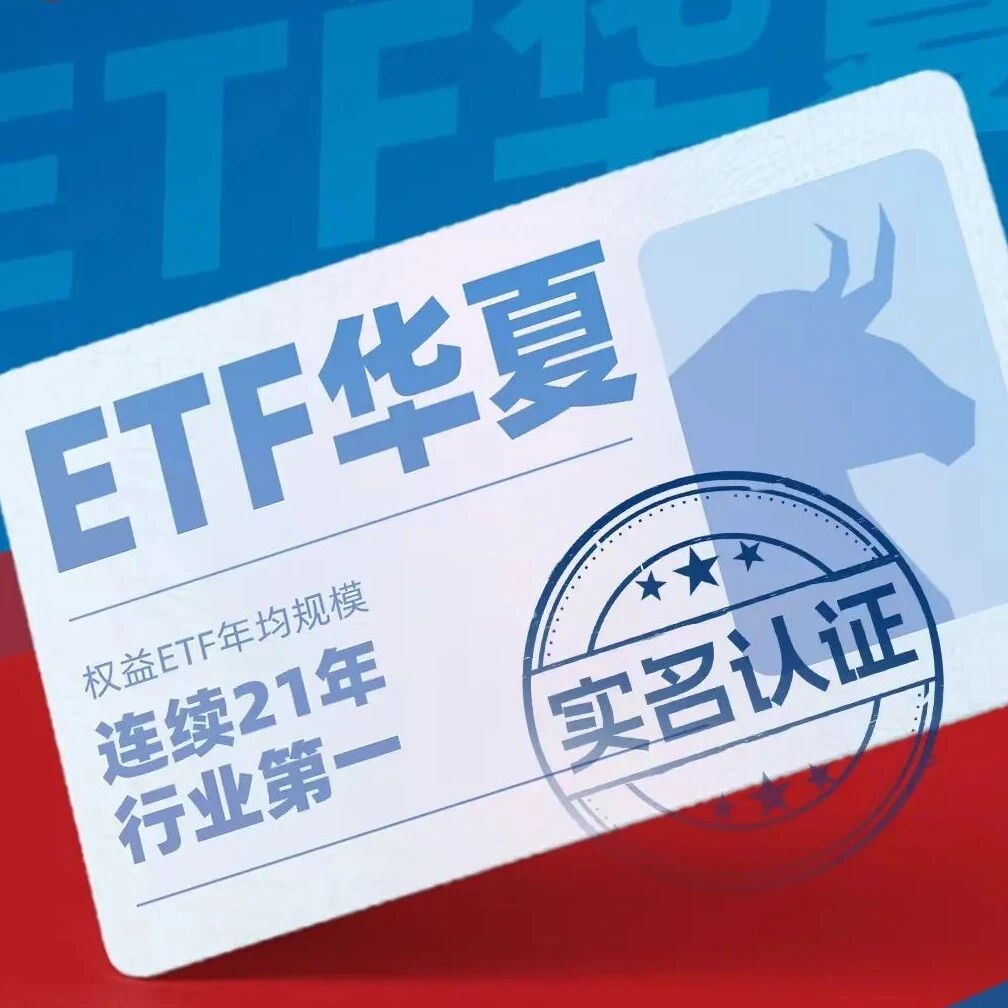
大“揭秘”!这家ETF巨头全球排名,持续上升!
中国基金报· 2025-11-21 02:16
Core Insights - The article highlights the rise of China in the global ETF market, with two Chinese public fund companies making it to the top 20 ETF providers globally, particularly noting the significant progress of Huaxia Fund [1][6] - Huaxia Fund's ETF management scale reached $126.8 billion as of Q3 2025, moving up from 19th to 18th place in the global rankings, showcasing its growth trajectory since entering the top 20 in 2022 [1][6] - The Chinese ETF market has surpassed Japan, becoming the largest in Asia, with a total scale of approximately 5.5 trillion yuan, which strengthens China's leading position in the Asia-Pacific region [1][6] Group 1: Huaxia Fund's Growth - Huaxia Fund has maintained its position as the largest in the domestic ETF market for over 20 years, starting with the launch of the first domestic ETF in 2004 [6][11] - The fund's success is attributed to its comprehensive product ecosystem, which includes 116 ETF products covering a wide range of asset classes and investment strategies [8][18] - As of June 2025, Huaxia Fund had the highest number of clients in the industry, with 3.74 million accounts [9] Group 2: Market Dynamics - The global ETF market is characterized by a "Matthew Effect," where the top three firms (BlackRock, Vanguard, State Street) control 61% of the market share, highlighting the competitive landscape [6] - The report from Bloomberg predicts that China will be a significant growth engine for the Asian ETF market over the next decade, with assets expected to reach $8 trillion by 2035 [2] - The strong policy support and increasing adoption rates among retail investors in China are expected to drive substantial capital inflows and attract more foreign institutional participation [2] Group 3: Innovative Strategies - Huaxia Fund employs a dual empowerment strategy of "active equity + passive ETF," redefining the value of ETFs beyond mere index replication [12][13] - The fund's proactive approach in index selection and product development allows it to stay ahead of market trends, launching innovative products in emerging sectors like AI and 5G [13][14] - The "Lego-style" asset allocation strategy aims to create a comprehensive ecosystem that meets diverse investor needs, enhancing its competitive edge in the market [15][18]
大学讲堂| 杜雨博士华东师范大学MBA授课实录: AI时代职业突围指南
未可知人工智能研究院· 2025-10-24 03:02
Core Insights - The article emphasizes the necessity for professionals to adapt to the rapid advancements in AI technology, questioning the sustainability of their current expertise in the evolving job market [1][3]. Opportunities - AI is reshaping industries, and early adopters are reaping significant benefits. It is not a matter of choice but a necessity, as AI acts as a "restructuring hammer" impacting all sectors [5]. - AI enhances quality in smart manufacturing, efficiency in financial technology, breakthroughs in healthcare, and redefines experiences in education and training [6]. - Understanding how to leverage AI within one's industry equates to obtaining a "ticket" for career advancement, while those who lag may miss out entirely [8]. Challenges - The job market is undergoing a significant transformation, and failure to keep pace with AI advancements may lead to obsolescence. AI is disrupting traditional job roles, particularly those reliant on repetitive tasks [9][10]. - The competition in the workplace is shifting from a focus on singular skills to a demand for comprehensive abilities and innovative thinking. Those clinging to outdated methods will quickly fall behind [11][12]. Key Strategies for Career Advancement - **Cognitive Upgrade**: The essence of an MBA is a way of thinking. In the AI era, upgrading cognitive frameworks is crucial for achieving career breakthroughs and developing unique core competencies [12]. - **Equity Thinking**: Emphasizing long-termism in career development, akin to investment principles, is vital for navigating industry cycles [14]. - **Reverse Thinking**: Identifying opportunities in emotional blind spots created by AI's data processing capabilities can provide a competitive edge [15]. - **Risk Thinking**: Redefining risk as permanent loss rather than mere volatility shifts focus to capital preservation and sustainable survival [16][17]. - **Compound Thinking**: Emphasizing continuous accumulation of skills and knowledge leads to exponential career growth, contrasting with the linear growth of short-term efforts [18][21]. - **Leverage Thinking**: Utilizing AI as a leverage tool can amplify personal value and capabilities [22][25]. - **Brand Thinking**: In the age of AI, establishing a unique personal brand and influence is essential for standing out in a crowded job market [28]. - **Downhill Thinking**: Setting clear goals and creating diverse paths to achieve them is more effective than relying on predetermined routes [31]. - **Time Investment Thinking**: Managing time strategically to maximize efficiency is crucial in the AI era [35]. - **Lego Thinking**: The ability to deconstruct goals and efficiently assemble resources is key to success in a rapidly changing environment [38]. Actionable Guidelines - Professionals should adopt a mindset of continuous learning and humility, regularly acknowledging gaps in knowledge [47]. - Embracing change and breaking routine can foster innovation and adaptability [48]. - Building relationships across generations can enhance knowledge exchange and perspective [49]. - Long-term vision in decision-making is essential for sustainable career growth [50]. - Taking breaks can enhance productivity and creativity [51]. - Timely action on new ideas is critical to prevent loss of momentum [52]. - Establishing small, manageable habits can lead to significant long-term changes [53]. - Persistence in the face of challenges often leads to success [54]. - Learning probability and statistics can better equip professionals to handle uncertainty [56]. - Cultivating gratitude and positive relationships can enhance personal and professional opportunities [55]. Mastering AI - The essence of competition in the AI landscape is time management. Mastery of AI tools allows professionals to reclaim time, focusing on creative and strategic tasks, thus gaining a competitive advantage in career development [56].