
乡村经济发展

Search documents
新春走基层丨这个小村庄 拍短剧带来的不仅是流量
Yang Shi Xin Wen· 2026-02-10 04:47
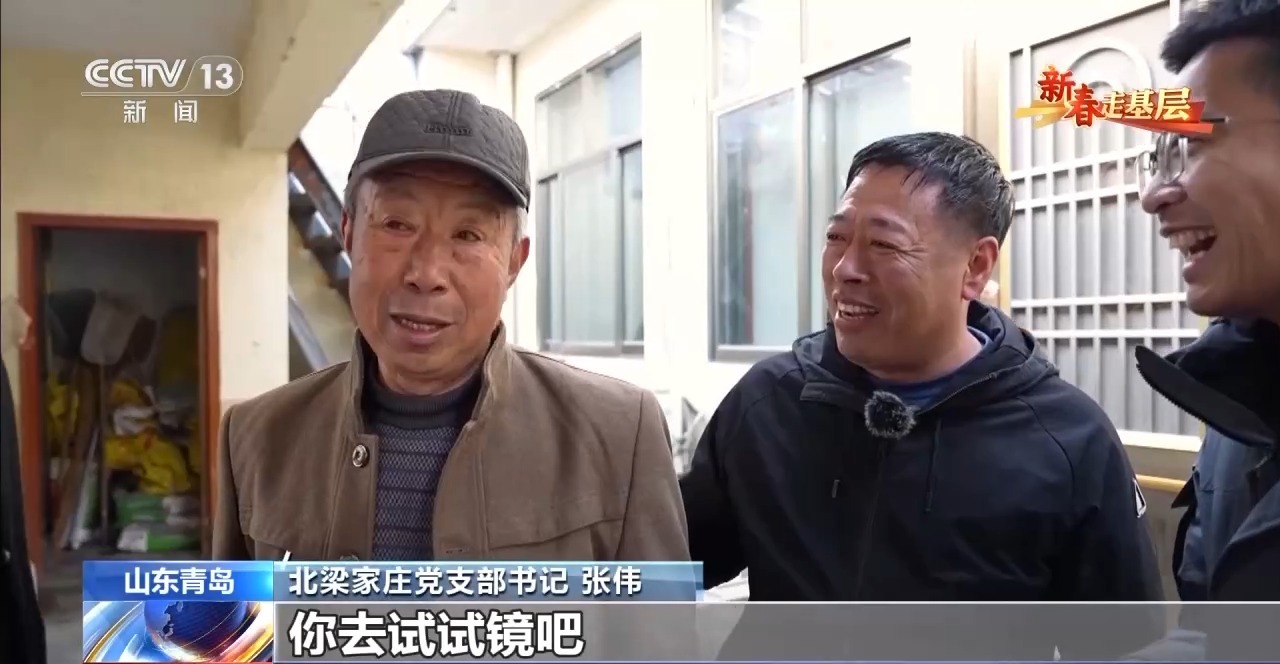
Core Insights - The article highlights the transformation of Beiliangjiazhuang village in Shandong, where villagers have embraced short film production as a new hobby, leading to economic development and increased community engagement [1][4][14] Group 1: Village Background and Initial Challenges - Beiliangjiazhuang is a small village with over 200 households, primarily composed of middle-aged and elderly residents engaged in agriculture, particularly cherry and chestnut farming [3][4] - Initially, there was resistance from some villagers who believed that filming short dramas was unproductive and that they should focus on farming [3][4] Group 2: Development of Short Film Production - The village's short film initiative was spearheaded by village secretary Zhang Wei and director Ding Zhaoting, aiming to enrich cultural life and potentially boost the local economy [1][4][14] - In just six months, the village produced three short films that garnered nearly 800 million views on social media platforms, significantly raising the village's profile and attracting investment [1][6] Group 3: Community Engagement and Economic Impact - The filming process has fostered a sense of community, with villagers participating in various roles, including acting and providing resources for production [6][9] - The popularity of the short films has led to increased sales of local agricultural products, with villagers reporting direct inquiries from consumers interested in purchasing their goods [6][9][10] Group 4: Future Aspirations and Cultural Significance - Villagers express a desire to elevate their productions, with aspirations to showcase their work on larger platforms such as the Spring Festival Gala [12][14] - The initiative has not only provided entertainment but also a sense of purpose and fulfillment for the villagers, enhancing their quality of life [14]

(新春走基层)广西德保:乡村容貌焕新年味足 民众重建家园迎亲归
Xin Lang Cai Jing· 2026-02-08 13:23
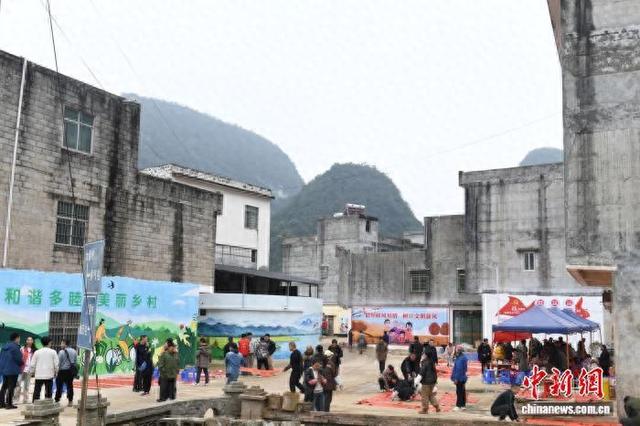
Core Viewpoint - The article highlights the recovery efforts and community resilience in De Bao County, Guangxi, following severe flooding caused by multiple typhoons in 2025, emphasizing the local government's initiatives to support affected residents and improve infrastructure for future disaster preparedness [1][3][4]. Group 1: Community Recovery - Villagers in Du Mu Village, including Huang Mei Lin, are preparing for the upcoming Spring Festival, showcasing a return to normalcy after last year's flooding [1]. - The local government organized a "New Year Blessing" event, providing medical services, distributing aid, and promoting cultural activities to foster community spirit [3]. - The village experienced significant flooding, with approximately 80% of the area submerged, leading to extensive damage and requiring emergency evacuation and recovery efforts [3][4]. Group 2: Government Support and Infrastructure - The local government has allocated 623,800 yuan for various forms of assistance, including transitional living support and social aid to help residents recover [6]. - Post-disaster assessments were conducted to ensure the safety of homes and infrastructure before residents returned, with ongoing efforts to upgrade facilities and promote a beautiful rural environment [6]. - Research is being conducted on the underground water systems in karst areas to develop long-term solutions for flood prevention, with specific projects included in a five-year action plan [6]. Group 3: Agricultural Recovery - The county is enhancing support for winter crops to mitigate agricultural losses from the flooding, with farmers receiving seeds and fertilizers to replant [7]. - Villagers like Liang Zhenfa reported significant crop losses but are optimistic about recovering some losses through timely replanting efforts [7]. - Emergency geological disaster management projects have been initiated to prevent future landslides, with an investment of approximately 3 million yuan [9].
(走进中国乡村)浙江安吉“中国白茶第一村” 飘香山野市集
Xin Lang Cai Jing· 2026-02-07 13:32
Core Viewpoint - The development of "Bai Cha Yuan Ye Ji" in Huangdu Village, known as "China's First White Tea Village," represents a successful integration of local culture and tourism, transforming the village's economy through innovative culinary experiences and product offerings [1][2]. Group 1: Economic Transformation - Huangdu Village, once a poverty-stricken area, has leveraged the cultivation of the rare "Bai Ye No. 1" tea variety to improve the livelihoods of its residents, enabling them to build homes and own cars [1]. - The village aims to create a platform for showcasing white tea products and related experiences, including tourism and hospitality, to enhance the economic benefits derived from white tea [1]. Group 2: Collaborative Model - The establishment of "Bai Cha Yuan Ye Ji" is a result of collaboration among local youth, village collective investment, and a digital nomad team, creating a model for rural economic growth and youth engagement [2]. - This collaborative approach allows for the integration of modern aesthetics with local culture, ensuring that the village retains control over development and profits [2]. Group 3: Cultural Experience - Visitors to the market can engage in various activities, such as learning traditional tea-making methods, participating in pottery workshops, and enjoying innovative tea-infused dishes, creating a comprehensive cultural experience [2]. - The initiative aims to shift local tourism from mere sightseeing to immersive vacation experiences, enhancing visitors' understanding of white tea culture [2].
房前屋后“致富花” 豫南大别山北麓固始菊开乡间
Zhong Guo Xin Wen Wang· 2025-11-20 06:42
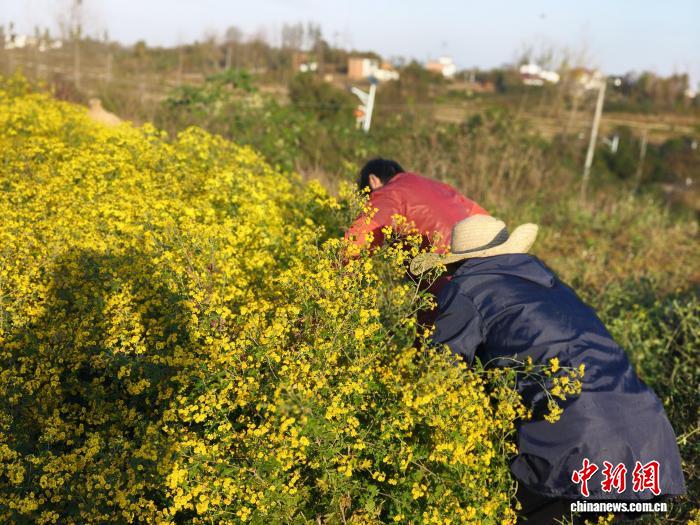
Core Viewpoint - The cultivation of medicinal wild chrysanthemum in Gushi County, Henan Province, has become a significant driver of rural economic development, benefiting local farmers through improved income and sustainable agricultural practices [1][2]. Group 1: Economic Impact - The wild chrysanthemum is being purchased at a high price of 1 yuan per kilogram, leading to increased income for local farmers, with an average monthly income exceeding 2000 yuan for those involved in processing [1]. - The total area planted with wild chrysanthemum in Gushi County has reached approximately 5000 acres, with an expected increase in revenue of 5 million yuan for the local economy [6][7]. Group 2: Agricultural Practices - The region's favorable climate and soil conditions allow for two to three harvests per year from a single planting, providing continuous income for farmers over three to five years [2]. - The introduction of high-quality seed varieties and effective cultivation techniques has been facilitated by the local agricultural college, enhancing yield and resilience against environmental challenges [5]. Group 3: Community Involvement - The "company + base + farmer" model has been implemented, ensuring unified supply of seedlings, technical training, and product collection, which has streamlined the production process [6]. - Local villagers have actively participated in the cultivation and harvesting of wild chrysanthemum, with some reporting significant income increases from their small-scale farming efforts [6].
工商银行发放“民宿贷” 让北戴河民宿焕新颜
Zheng Quan Ri Bao Zhi Sheng· 2025-06-22 15:12
Core Insights - The article highlights the growing demand for homestays in Beidaihe, driven by its unique tourism resources and the upcoming summer travel season [1][3] - The local government is actively promoting the transformation of idle houses into homestays, creating income opportunities for villagers and providing a platform for returning entrepreneurs [1][2] - Industrial Bank is leveraging this opportunity by offering a specialized "Homestay Loan" product to support local tourism and cultural development [1][2] Group 1: Homestay Industry Development - The homestay industry in Beidaihe is experiencing an upgrade, with many villagers starting their own homestays to meet the increasing demand for quality accommodation [3] - Entrepreneurs like Mr. Lü are successfully establishing homestays, with his business benefiting from a loan of over 500,000 yuan from Industrial Bank, which allowed for expansion and improved services [2][3] - The local community is enhancing the quality of homestays through renovations and improved service, leading to significant economic benefits and increased income for residents [3] Group 2: Financial Support and Economic Impact - Industrial Bank's "Homestay Loan" has provided essential financial support for the renovation and upgrade of homestays, facilitating the growth of the local economy [2][3] - The successful implementation of these loans has resulted in improved facilities and services, attracting more visitors and boosting the overall business performance of local homestays [3] - The establishment of a unified branding strategy for homestays in Dingzhuang Village aims to enhance their market presence and attract more tourists during peak seasons [3]
