交易外交

Search documents
中方话音刚落,特朗普通告全球:税率加到200%!首个牺牲国出现
Sou Hu Cai Jing· 2026-01-22 05:10
Core Viewpoint - The article discusses Trump's recent decision to impose tariffs on eight European countries, particularly targeting France with a 200% tariff, as a form of negotiation strategy rather than a straightforward economic policy [1][3][5]. Group 1: Tariff Strategy - Trump's tariffs are seen as a tool for political leverage, punishing countries that do not align with U.S. interests, particularly regarding Greenland [1][3]. - The targeted countries are all significant Western European nations, indicating a strategic approach to exert pressure on allies [1][3]. - France's participation in military exercises related to Greenland and its refusal to join the Gaza peace committee made it a prime target for the tariff threat [5][7]. Group 2: Economic Impact - The proposed 200% tariff on French wine and champagne could severely damage France's agricultural exports, which are projected to exceed €6.5 billion by mid-2025, accounting for nearly one-third of its agricultural exports [5][7]. - France's economic situation is precarious, with a trade deficit exceeding €43 billion, making it vulnerable to additional economic pressures from U.S. tariffs [7][9]. Group 3: European Response - The EU is facing a critical test of unity, with plans for an emergency summit to discuss responses to U.S. tariff threats, including the possibility of reinstating suspended tariffs on U.S. goods valued at €93 billion [9][11]. - Internal divisions within the EU complicate the response, as different member states have varying concerns about potential retaliatory measures [11][12]. - The situation poses a broader challenge to European strategic autonomy, as failure to respond effectively could undermine the EU's political and economic standing [11][12]. Group 4: Future Considerations - The article suggests that the outcome of this tariff conflict will depend on whether the EU can present a unified front and how effectively it can negotiate with the U.S. [14]. - France's experience may not be isolated, as other countries could face similar tariff threats in the future, indicating a potential pattern in U.S. trade policy [14].

矛头直指美国外交政策,强调法国不会袖手旁观,马克龙谴责“新帝国主义”
Huan Qiu Shi Bao· 2026-01-09 22:42
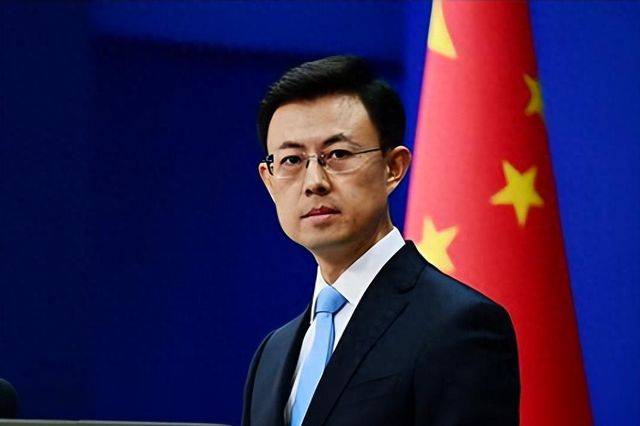
Group 1 - French President Macron condemned the spread of "new imperialism" and "new colonialism" in international relations, specifically targeting U.S. foreign policy [1][2][4] - Macron emphasized the need for France and Europe to enhance their strength and influence in a world increasingly dominated by great powers, warning against becoming subservient to power logic [4][5] - The upcoming G7 presidency in 2026 is seen as an opportunity for France to promote global multilateralism reforms, rejecting the notion of G7 as an anti-China or anti-BRICs club [5][6] Group 2 - Trump's remarks indicated a belief that his personal moral standards are the only constraints on U.S. global power, suggesting a shift away from adherence to international law [6][7] - The perception of the U.S. as an unreliable partner has increased in Germany, with 76% of respondents believing the U.S. is no longer a trustworthy ally, marking a 3% rise since June 2025 [8] - The shift in U.S. foreign policy under Trump could lead to a breakdown of the rules-based international order, prompting other nations to adopt similar aggressive postures, thereby increasing the risk of military conflicts globally [9]

视频丨美乌新一轮谈判结束 俄乌冲突恐仍难到“终局”
Yang Shi Xin Wen Ke Hu Duan· 2025-12-01 00:42
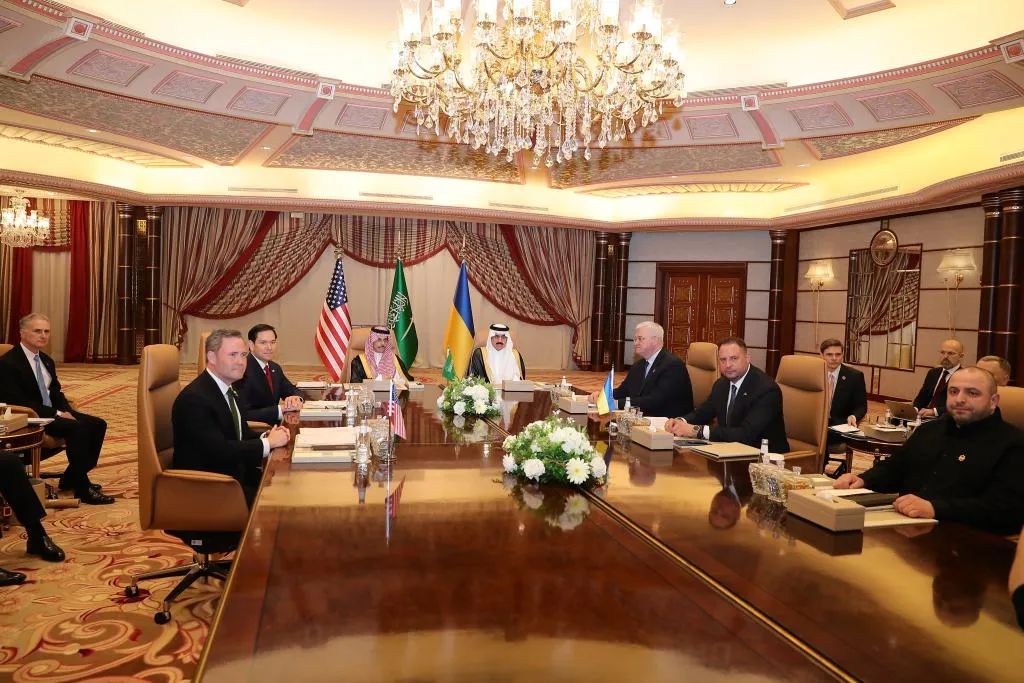
Core Points - The U.S. and Ukraine delegations began a new round of talks on a proposed "peace plan" for the Russia-Ukraine conflict on November 30 in Florida, with U.S. Secretary of State Rubio stating the discussions were "productive" but much work remains [1][5] - The U.S. has proposed a controversial "28-point new plan" to end the conflict, which has sparked debate and criticism, particularly from Ukraine and Europe, who view it as favoring Russia [3][5] - Former President Trump indicated that a peace agreement is "very likely" to be reached, suggesting both Russia and Ukraine are eager to end the conflict [5] Negotiation Dynamics - The U.S. delegation included key figures such as Secretary Rubio, Special Envoy Witkoff, and Jared Kushner, while Ukraine's delegation was led by Oleksandr Danylyuk, Secretary of the National Security and Defense Council [5] - Following the initial proposal, significant modifications were made during discussions in Geneva, although the specific changes were not disclosed [5] - A U.S. official announced that Special Envoy Witkoff would meet with President Putin in Moscow, indicating ongoing diplomatic efforts [7] Political Context - The prolonged conflict has led to a shift in Western priorities, with a growing urgency to minimize losses rather than uphold principles of "just peace" [9] - Trump's administration appears focused on achieving a diplomatic success ahead of the midterm elections, aiming for a ceasefire rather than addressing the root causes of the conflict [9] - The political landscape in Ukraine is complicated by a significant corruption scandal involving high-ranking officials, posing a major challenge for President Zelensky [11] Challenges Ahead - There are substantial gaps between Russia and Ukraine on key issues such as territorial claims, NATO membership, and reconstruction, making a ceasefire agreement difficult to achieve in the short term [13]
【环时深度】美国大搞“交易外交”,影响几何?
Huan Qiu Shi Bao· 2025-07-24 22:35
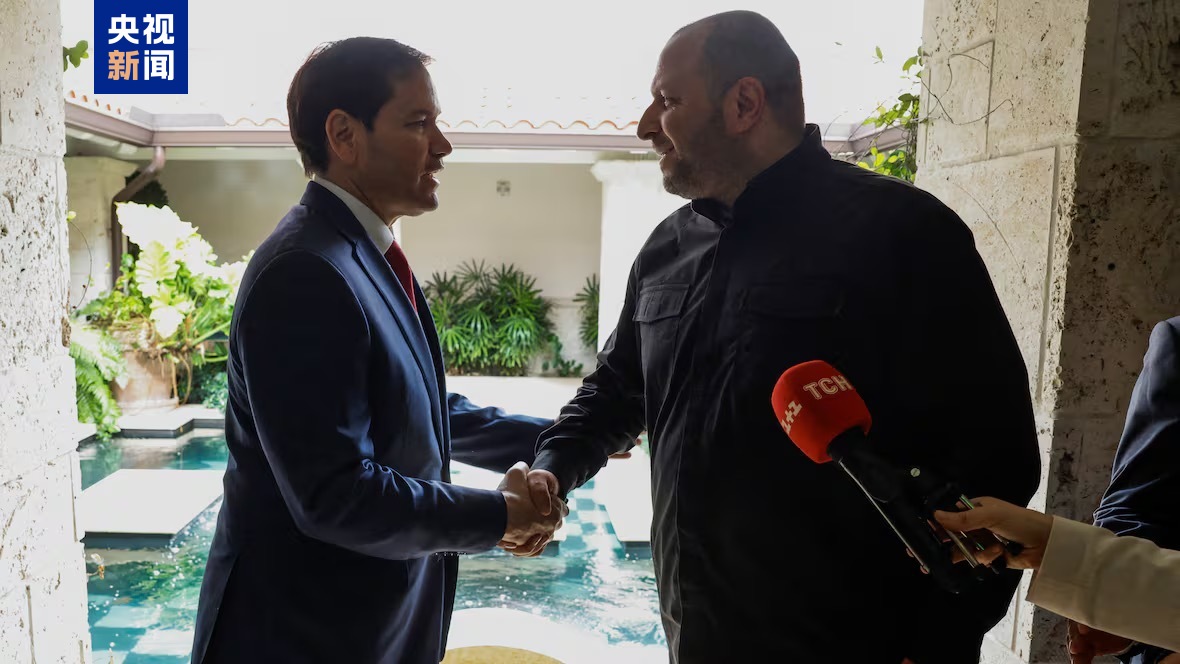
Core Viewpoint - The nomination of Adams as the U.S. Ambassador to Malaysia by President Trump has sparked significant backlash due to his controversial views and lack of diplomatic experience, reflecting a broader trend of politically motivated ambassadorial appointments in the Trump administration [1][2][8]. Group 1: Adams' Background and Controversy - Adams, born in Australia and a staunch supporter of Trump, has no diplomatic experience and has made inflammatory comments regarding Palestine and Israel, which are particularly sensitive in predominantly Muslim Malaysia [2][3]. - His actions, such as pressuring a restaurant to fire an employee for wearing a "Free Palestine" badge, have drawn criticism and raised concerns about his suitability for the ambassadorial role [2][5]. Group 2: Political Reactions in Malaysia - Multiple Malaysian political parties and public figures are urging the government to reject Adams' nomination, viewing it as an affront to national dignity and values [3][4]. - The People's Justice Party, led by Prime Minister Anwar, has labeled Adams as a racist and a supporter of Zionism, arguing that his views contradict Malaysia's core values [4]. Group 3: Public Protests and Sentiment - Protests have occurred near the U.S. Embassy in Malaysia, with demonstrators calling for a more suitable candidate who respects regional stability [5]. - Concerns have been raised that Adams' potential appointment could exacerbate tensions between Muslim and non-Muslim communities in Malaysia [5]. Group 4: U.S. Diplomatic Appointments and Trends - The Trump administration has been criticized for appointing individuals with little to no diplomatic experience, often as a reward for political contributions, with approximately 30% to 40% of ambassadorial positions filled in this manner [8][9]. - The administration's approach reflects a transactional view of diplomacy, prioritizing political loyalty over diplomatic expertise [12][13]. Group 5: U.S. State Department Restructuring - The U.S. State Department is undergoing significant restructuring, including layoffs of over 1,300 employees, as part of an effort to align with Trump's "America First" agenda [11][13]. - This restructuring may lead to a more regionally focused U.S. foreign policy, potentially diminishing the importance of traditional diplomatic values such as democracy and human rights [12][13].
请求访华后,特朗普提出2个要求,前大使发出预警,释放信号强烈
Sou Hu Cai Jing· 2025-06-11 08:49
Economic Situation - The current federal debt in the U.S. has reached alarming levels, posing a threat to economic stability, with China being a significant holder of U.S. debt [3] - China's recent actions to reduce its holdings of U.S. debt have increased pressure on the U.S. debt market, highlighting the need for continued Chinese support for U.S. debt financing [3] Trade Relations - Trump's trade war, intended to boost the U.S. economy, has led to rising domestic prices and increased living costs for consumers, creating public discontent [5] - The expectation of cooperation with China is seen as a way to mitigate the negative effects of the trade war and improve the economic situation ahead of midterm elections [5] Retail Sector Impact - Trump has pressured U.S. retailers like Walmart not to pass tariff costs onto consumers, aiming to stabilize domestic prices amidst the challenges posed by the trade war [6] - However, retailers may struggle to comply due to cost pressures, which could exacerbate consumer burdens [6] Monetary Policy - Trump has urged the Federal Reserve to lower interest rates to stimulate the economy, but Fed Chair Powell has rejected this request, citing potential inflation risks and the current economic conditions [6] Diplomatic Relations - Concerns have been raised about Trump's "transactional diplomacy" damaging U.S. international credibility, particularly in the context of previous unfulfilled commitments in the Middle East [8] - China maintains a stance of equality and mutual respect in U.S.-China relations, opposing unwarranted pressure and emphasizing the need for fair trade practices [8] Overall Implications - Trump's request to visit China reflects the multifaceted challenges the U.S. faces in economic and diplomatic arenas, with the trajectory of U.S.-China relations being crucial for global peace and prosperity [8]
美乌矿产协议,特朗普“交易外交”为何难奏效?
Xin Jing Bao· 2025-05-01 09:23
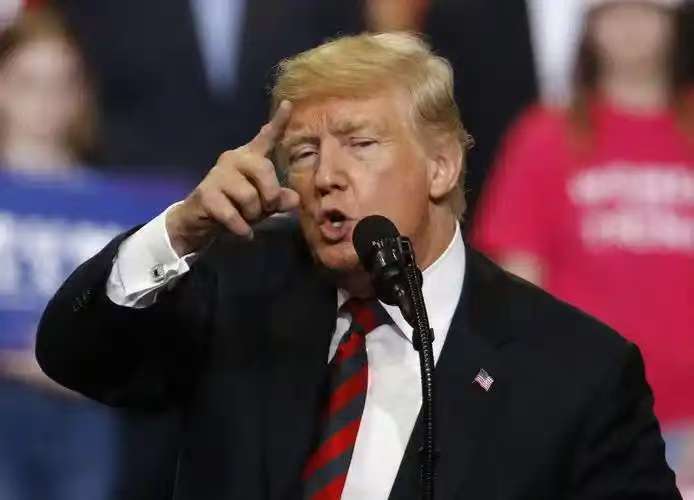
Core Points - Ukraine has effectively maintained its national security and development interests during negotiations, securing several advantageous terms [1][9]. Group 1: Negotiation Outcomes - The agreement signed between Ukraine and the U.S. establishes a "Reconstruction Investment Fund," which is also referred to as the "mineral agreement" [3][4]. - The agreement ensures that all ownership and control of minerals remain with Ukraine, and the fund will be managed equally by both parties [9]. - The agreement does not mention Ukraine's debt obligations to the U.S., allowing profits to be prioritized for Ukraine's defense against Russia and domestic economic recovery [9]. Group 2: Diplomatic Strategy - Ukraine has demonstrated strong domestic unity and support for President Zelensky, which has bolstered its negotiating position [9][10]. - The country has successfully rallied support from the EU and other Western nations, receiving military aid and intelligence support, which has reduced its reliance on U.S. assistance [10][11]. - The successful negotiation outcomes signal reliability for long-term cooperation with Ukraine, aligning with its constitutional and European integration processes [9]. Group 3: U.S. Diplomatic Approach - The Trump administration's approach to negotiations has shifted from generous aid to seeking tangible economic returns from Ukraine's mineral resources [5][6]. - The aggressive negotiation style of the Trump administration, characterized by extreme pressure tactics, has been evident in the discussions with Ukraine [6][7]. - Despite the U.S. exerting pressure, Ukraine has shown resilience and has not succumbed to signing unfavorable agreements [8][11].