产业迭代

Search documents
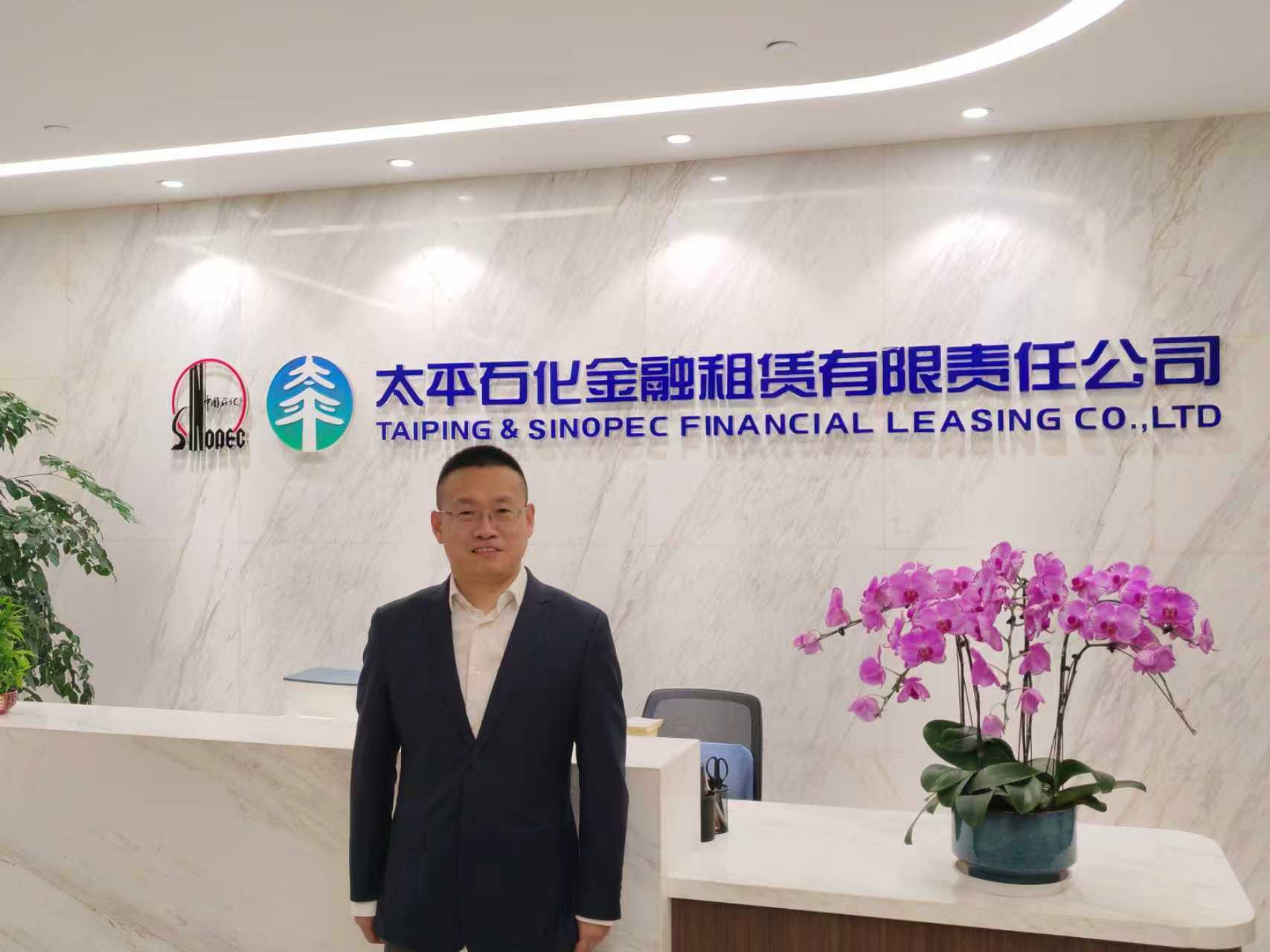
太平石化金融租赁陈玉哲:成为数字金融的应答者
Di Yi Cai Jing· 2025-12-05 02:31
Group 1 - The core viewpoint of the articles highlights the shift in China's industrial iteration from "factor-driven" to "innovation-driven," necessitating an upgrade in the demand for financing leasing to "full lifecycle services" and a comprehensive enhancement of total factor productivity [1] - The financing leasing business is characterized by "non-standardization," with diverse and high-value leasing objects, leading to increased management costs and stringent regulations, making traditional management models inadequate [1] - Chen Yuzhe's approach to breaking through these challenges involves establishing a digital architecture that covers the entire business chain, facilitating the digital transformation of the industry with a replicable "Taiping Petrochemical Plan" [1] Group 2 - Embracing AI to achieve "one-click" support for leasing business management is essential, as the industry faces challenges such as uncomprehensive tenant risk management, high leasing property management risks, and increased compliance risks due to a growing supply chain [3] - Chen Yuzhe's team integrates technologies like RPA, OCR, large language models, and big data into the entire process, creating an "one-click" intelligent support system that significantly enhances efficiency in parsing complex financial reports [3] - The establishment of a data governance system led by Chen Yuzhe aims to standardize complex leasing processes and improve data timeliness, completeness, and usability while ensuring data security [3][4] Group 3 - The digital architecture constructed by Chen Yuzhe's team reflects the industry's needs rather than merely being a technical stack, showcasing a data governance strategy that combines "governance and application" [5] - The integration of AI with leasing has transitioned from backend support to a driving force, addressing traditional pain points in heavy asset leasing management while adapting to new demands for greening, inclusivity, internationalization, and intelligence [5]

GDP突破1.4万美元!消费暴增37%,未来五年普通人生活有哪些变化
Sou Hu Cai Jing· 2025-11-01 23:19
Core Insights - The "15th Five-Year Plan" serves as a critical transition point towards the 2035 long-term goals, directly impacting the employment choices, income changes, and quality of life for 1.4 billion people [1][3] - The plan emphasizes high-quality economic growth, with a projected per capita GDP of $14,000 by the end of 2025, requiring an average annual GDP growth rate of over 4.4% in the next decade [3][5] - The restructuring of the consumption market aims to significantly increase the household consumption rate, which currently stands at 37.2%, well below the international average of 53.8% [5][10] Economic Growth and Consumption - The "15th Five-Year Plan" continues the qualitative approach of the "14th Five-Year Plan," focusing on consumption and innovation as key drivers of growth [3][5] - The plan identifies a clear goal to raise the household consumption rate, addressing the core issue of low property income, which is only 3.2% of GDP compared to the international average [5][10] - The automotive market is shifting focus towards the aftermarket, with policies aimed at expanding service areas such as maintenance and financing [7] Social Welfare and Employment - Upgrades in social welfare are aimed at creating a more robust safety net, with a focus on increasing income distribution equity and raising minimum wage standards across provinces [10][12] - The plan includes measures to enhance educational and healthcare services, such as expanding free education and improving community health services [12][14] - The employment landscape is evolving with the rise of new industries, including new energy and low-altitude economy, which are expected to create numerous job opportunities [16][19] Policy and Institutional Reforms - Institutional reforms are crucial for supporting these changes, with a focus on creating a unified market and adjusting the fiscal system to reduce local government burdens [16] - The plan emphasizes the importance of digitalization in social security services, enhancing convenience for the elderly and other vulnerable groups [14] - The collaboration between industry and employment is highlighted, with significant growth expected in sectors like robotics and 5G technology, necessitating workforce adaptation and skills training [19]

关键一日来临!五大主线明牌......
Sou Hu Cai Jing· 2025-09-17 12:07
Core Viewpoint - The article discusses the anticipated interest rate cut by the Federal Reserve, which is expected to trigger a new wave of global monetary flow, benefiting specific sectors in the A-share market [3][5]. Group 1: Economic Indicators - The Federal Reserve is considering a rate cut of either 25 or 50 basis points, influenced by recent employment and inflation data [3]. - Recent revisions to employment data showed a significant downward adjustment, indicating that the U.S. economy may not be as strong as previously thought, which has led to the expectation of a delayed rate cut [5]. Group 2: Investment Opportunities - Five main investment themes are highlighted: AI computing power, semiconductors, humanoid robots, innovative pharmaceuticals, and new energy [5][6]. - The humanoid robot sector has seen significant stock price increases, with some companies experiencing average gains of 89% this year, driven by anticipated mass production and broader applications [8]. - AI computing infrastructure and semiconductors are also poised for growth, with substantial investments from major companies like Alibaba and OpenAI, benefiting firms like NVIDIA and AMD [10]. - The innovative pharmaceutical sector is gaining traction as major pharmaceutical companies seek to fill revenue gaps from expiring patents, leading to increased collaboration with domestic firms [12]. - The new energy battery sector is expected to grow significantly, with projections indicating a 97% year-on-year increase in global energy cell shipments by mid-2025, primarily driven by Chinese companies [14]. Group 3: Investment Strategies - For investors looking to participate in these sectors, options include investing in ETFs that track the new energy index, which has shown strong performance [16][18]. - Specific products mentioned include the Huaxia New Energy ETF and its corresponding fund, which have both delivered impressive returns over recent months [18].