
产品透明度

Search documents
西贝危机后,茶饮仍未走出信任生死局
3 6 Ke· 2025-10-23 04:13
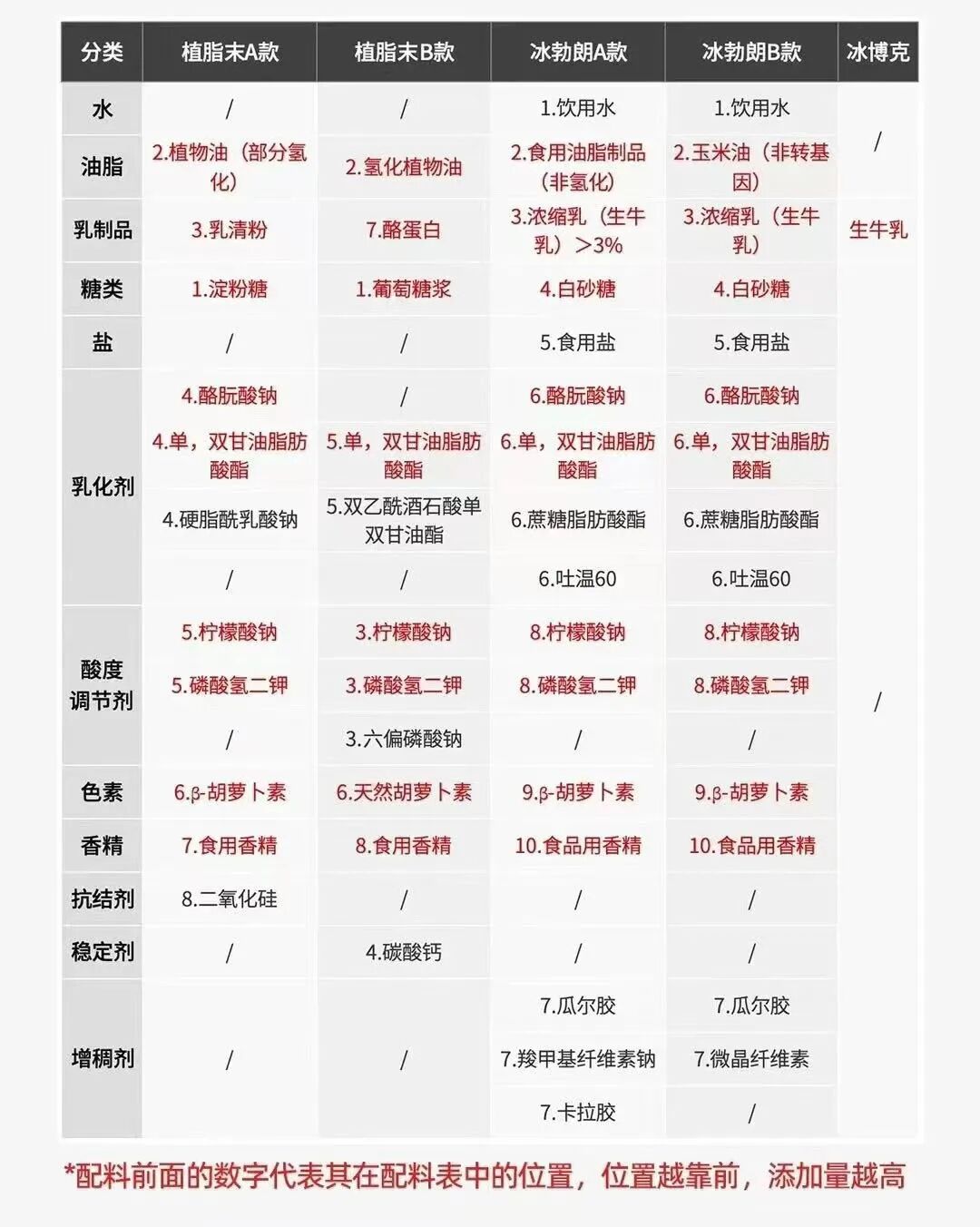
Group 1: Core Insights - The incident involving Xibei highlights the challenges faced by the Chinese restaurant industry, particularly regarding consumer trust in pre-packaged food products [1] - Following the backlash, Xibei experienced a significant drop in daily revenue exceeding 1 million yuan, with a nearly 70% decrease in foot traffic at its largest Beijing location [1] - The public discourse surrounding the incident reflects a broader issue of unclear definitions and lack of standards within the Chinese dining sector, revealing a gap between industry standards and public knowledge [1] Group 2: Tea Beverage Industry Challenges - The tea beverage industry is facing a trust crisis, exacerbated by the "Ice Bolang incident," where a blogger's findings on ingredient transparency ignited consumer skepticism about health claims made by brands [2] - Consumers are increasingly questioning the authenticity of ingredients used in tea beverages, particularly regarding the use of non-hydrogenated base milk and the presence of additives [4] - The discussion around tea beverage ingredients has surged, with related keywords seeing over 200% annual growth in discussions across social media platforms from 2021 to 2025 [4] Group 3: Industry Response and Trends - Major tea brands are beginning to adopt transparency in ingredient sourcing, with over 90% of surveyed consumers expressing concern over the use of non-natural ingredients like plant-based creamers [8] - The tea beverage market is witnessing a shift towards quality and health, with brands like Heytea focusing on unique ingredients and health attributes in their new product lines [14] - Competitors from other sectors, such as dairy and coffee, are encroaching on the tea beverage market, prompting existing brands to rethink their strategies and product offerings [11][12]


西南财经大学教授蔡栋梁:“产品透明度”是大众对财富管理市场的第一需求
Xin Lang Cai Jing· 2025-10-21 07:41
Core Insights - The central viewpoint emphasizes the importance of wealth management in supporting the real economy and achieving high-quality financial development in China, as outlined in the recent Central Financial Work Conference [1]. Wealth Management Market Development - The Chinese wealth management market is transitioning from a phase of rapid growth to one focused on high-quality development, with competition shifting from product quantity to long-term customer value realization [3][4]. - The market has seen significant changes, including a decline in interest rates and a diversification of residents' financial asset demands, indicating a shift from "incremental drive" to "stock optimization" [3][4]. Customer Demands and Transparency - There is a growing demand for product transparency among customers, who now seek detailed information about investment logic, underlying assets, risk distribution, and fee structures [2][3][4]. - Wealth management institutions are encouraged to enhance their disclosure methods from static to dynamic, focusing on process transparency rather than just results [2][5]. Technological Integration and Future Trends - The integration of AI and data capabilities is seen as crucial for the future of wealth management, shifting the focus from product-centric to customer goal-centric approaches [6][9]. - Institutions are expected to develop comprehensive research and investment capabilities, along with a deep understanding of customer needs through data-driven insights [6][9]. Green Finance and Risk Management - The concept of "green finance" is highlighted, with a focus on using financial technology to create quantifiable and verifiable systems for assessing green investments, thereby mitigating "greenwashing" risks [9][10]. - A dual scoring system for evaluating green projects is proposed, combining commercial viability and emission reduction effectiveness [10][12]. Investment Opportunities and Strategies - The wealth management market is projected to evolve towards net value-based products, with opportunities arising from lower interest rates and new themes in green and technology investments [14][15]. - Investment strategies should focus on stable cash flow and long-term growth, utilizing a "core + satellite" approach to asset allocation [16].