产能互补

Search documents
三菱、日产、本田联合在美造车?
Zhong Guo Qi Che Bao Wang· 2025-12-09 01:59
Core Viewpoint - Mitsubishi Motors is exploring joint vehicle production in the U.S. with Nissan and Honda due to the ongoing impact of U.S. tariff policies, aiming for substantial progress before the mid-term plan release in spring 2026 [1][9]. Group 1: Impact of U.S. Tariffs - The U.S. government imposed a 25% tariff on imported vehicles starting in April, significantly affecting Japanese automakers reliant on the U.S. market [3]. - Japanese automakers, including Toyota, Honda, Nissan, Mazda, Mitsubishi, Subaru, and Suzuki, are projected to incur a total loss of 1.5 trillion yen (approximately 686 million RMB) due to these tariffs in the first half of the 2025 fiscal year [3]. - Mitsubishi, lacking a vehicle production base in the U.S., faces increased losses in its North American operations, with a projected sales volume of 113,000 vehicles in the 2024 fiscal year, significantly lower than competitors [3][4]. Group 2: Capacity and Collaboration - Nissan operates assembly plants in Mississippi and Tennessee with a combined capacity of 1 million vehicles, but is only expected to produce 525,000 vehicles in 2024, indicating excess capacity [4]. - Honda's five U.S. assembly plants are running at over 80% capacity, leaving little room for additional production, necessitating external support for new market demands [4]. - The collaboration between Mitsubishi, Nissan, and Honda is seen as a natural complement to their production capacities, especially in light of competitive pressures and the transition to electric vehicles [4]. Group 3: Historical Context and Future Prospects - Mitsubishi and Nissan have a history of collaboration dating back to 2010, with significant partnerships established, including the formation of a joint venture focused on microcars [6]. - In 2024, Nissan and Honda signed an agreement to collaborate on vehicle software and electrification, with Mitsubishi expressing interest in joining this partnership to leverage their technological strengths [7]. - As the 2026 mid-term planning deadline approaches, the collaboration discussions among the three companies are entering a critical phase, which could set a new precedent for cooperation in the global automotive industry [9].


“长沙制造”与“非洲禀赋”同频共振
Chang Sha Wan Bao· 2025-06-10 23:42
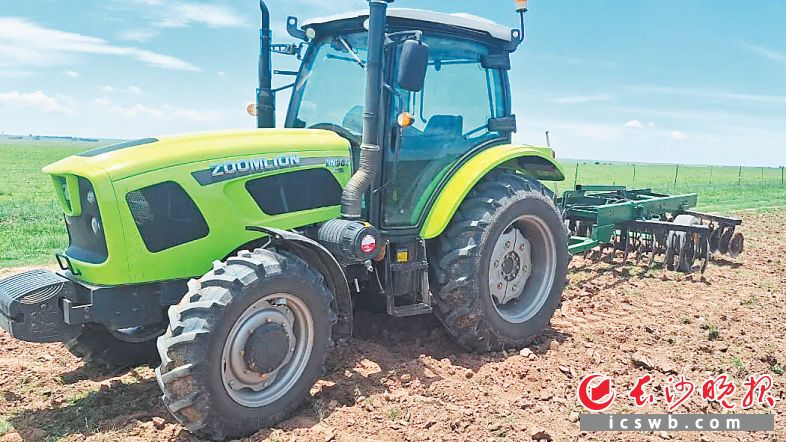
Traditional Sector Cooperation Enhancement - Changsha's construction machinery companies, led by Zoomlion, have deployed over 10,000 pieces of equipment across Africa, contributing to infrastructure projects such as bridges, roads, and mining [3] - Zoomlion has implemented a unique overseas business model in Africa, focusing on "end-to-end, digitalization, and localization" to enhance local operations and service support [3] Agricultural Collaboration - Hunan has made significant contributions to Africa's food security and agricultural industrialization, with Yuan's Seed Industry conducting hybrid rice trials in 21 African countries [4] - Longping High-Tech has provided over 200 agricultural technology training programs across more than 50 African countries, training numerous agricultural officials and technicians [4] - Meilan Group has developed a comprehensive supply chain model to address Africa's agricultural processing challenges, enhancing local industry and employment through projects in Côte d'Ivoire and Tanzania [4] New Field Cooperation Expansion - Changsha enterprises are expanding into new sectors such as renewable energy and digital economy, with SANY signing nearly 20 microgrid projects in seven African countries, investing approximately 1.7 billion yuan [5] - Zhanmei Automobile is introducing electric vehicles in Kenya, aiming to scale operations from nearly 100 vehicles to 40,000 within five years [5] - Changsha's non-trade enterprises are leveraging e-commerce platforms like Kilimall to provide millions of products to nearly 300 million African consumers [6] Modernization Efforts - Changsha enterprises are committed to modernizing Africa, with the Hunan Geological Institute establishing a comprehensive geological laboratory in Madagascar, conducting over 10,000 sample analyses [7] - Collaboration with Nigerian universities aims to enhance agricultural mechanization education, providing scholarships and practical training opportunities [7] Future Prospects - The ongoing cooperation between Changsha enterprises and Africa reflects a deepening friendship and commitment to mutual development, with plans to further strengthen economic ties and build a high-level China-Africa community [8]