以文化人

Search documents
“长学”书屋:多维能量场
Xin Lang Cai Jing· 2026-02-25 23:04
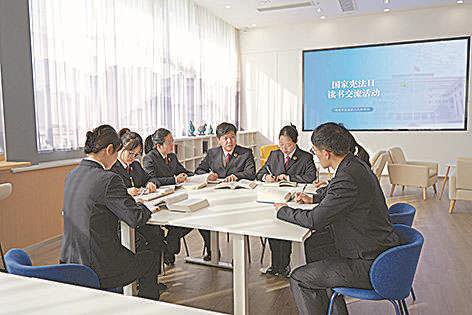
Core Insights - The "Changxue" Book House in Chang'an District, Xi'an, Shaanxi Province, serves as a platform for prosecutors to enhance their professional skills and foster a culture of continuous learning and growth [2][3] - The monthly "Changxue Thinking Exchange" salon has become a mandatory course for prosecutors, covering diverse topics such as case handling, technology application, and comprehensive skills development [2] - The Book House facilitates cross-disciplinary discussions, allowing legal experts, police investigators, and court personnel to collaborate and reach consensus on complex cases, thereby improving case handling efficiency [3] Group 1 - The Book House is designed not only as a reading space but also as a cultural platform that strengthens the foundation of fair justice among prosecutors [2] - The salon has proven effective in helping prosecutors quickly clarify complex case details through the use of intelligent case assistance systems [2] - The Book House also serves as a mental refuge for prosecutors, offering activities that promote emotional well-being and work-life balance [3] Group 2 - The Book House acts as a creative incubator, where new media team members brainstorm ideas for public legal education, including scripts for short dramas and strategies for video dissemination [3] - The leadership emphasizes the importance of the Book House in nurturing legal sentiment and judicial spirit, aiming to cultivate a new generation of prosecutors [3]

安徽师大316名学子亮相央视春晚舞台
Xin Lang Cai Jing· 2026-02-22 15:52
Core Viewpoint - The participation of 316 students from Anhui Normal University in the CCTV Spring Festival Gala highlights the university's commitment to integrating aesthetic education and cultural transmission into talent cultivation [1][5]. Group 1: Student Participation and Experience - The students expressed a strong sense of collective honor and dedication to their craft, with a focus on the importance of teamwork and precision in their performances [2]. - The experience of performing at the Spring Festival Gala served as a significant learning opportunity, reinforcing the idea that extensive preparation is essential for success [5]. - Many students reported that this experience strengthened their resolve to pass on traditional Chinese culture and clarified their future career paths, including further studies and careers in arts education and cultural industries [7]. Group 2: Educational Framework and Achievements - Anhui Normal University is one of the earliest institutions in Anhui to develop an arts education system, covering various disciplines such as music, dance, fine arts, and journalism [5]. - Among the participating students, over 120 have previously won awards in national and provincial art competitions, and more than 80 have held leadership roles or participated in volunteer organizations [5].
聆听高墙里动人的“春之絮语”
Xin Lang Cai Jing· 2026-02-01 19:22
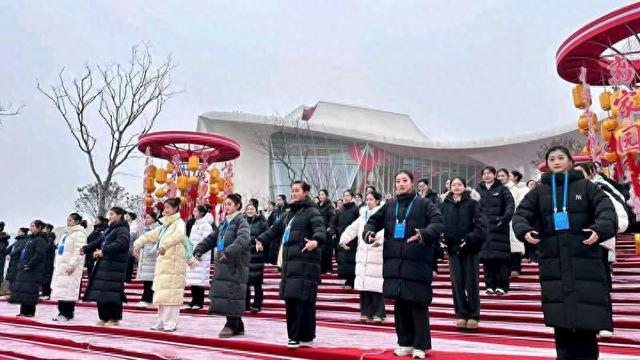
Core Viewpoint - The first "Sailing" Cultural Arts Festival held at Qiongshan Prison in Hainan aims to provide a platform for inmates to express themselves and cultivate their minds through cultural activities, promoting rehabilitation and self-reflection [3][4]. Group 1: Event Overview - The cultural arts festival featured performances by inmates, including hand sign language and traditional Chinese cultural displays, emphasizing themes of gratitude and self-awareness [3]. - The event was attended by various prison officials, including the prison warden, who highlighted the importance of culture in the rehabilitation process [3]. Group 2: Inmate Participation and Impact - Inmate Li, who entered prison at the age of 14, expressed newfound appreciation for parental sacrifices and the transformative power of cultural activities [3]. - The festival included dynamic and static performances, with all programs created and performed by inmates under the guidance of prison staff, showcasing high levels of participation and enthusiasm [3][4]. Group 3: Cultural Significance - The festival served as a concentrated display of the prison's cultural education initiatives, aiming to instill hope and a sense of community among inmates [4]. - The prison has implemented various cultural activities since 2025, focusing on emotional regulation and the development of a rehabilitative brand through diverse cultural expressions [3][4].
好戏一台接一台
Liao Ning Ri Bao· 2026-01-26 01:00
Core Insights - The article emphasizes the importance of cultural confidence and the responsibility of various levels of government to enhance cultural originality and produce high-quality works, aiming to inspire the public's passion for reform and development [1] Group 1: Cultural Development and Achievements - The performance "Xiansheng" integrates over 30 acrobatic acts with historical scenes from the Anti-Japanese War, aiming to evoke national pride and emotional resonance among audiences [3][4] - The production team is committed to refining their work based on audience understanding and emotional impact, which serves as their primary motivation [5] - The "Xiansheng" show is set to embark on a national tour starting in May, with plans to perform in eight cities and a total of 16 shows, showcasing the artistic expression and cultural narratives of Liaoning [6] Group 2: Cultural Accessibility and Innovation - The "Wanjuan Fudi" platform has been developed to address the challenges of public cultural services, allowing for online book borrowing and delivery, thus enhancing accessibility for residents [11][12] - The platform aims to integrate resources from 127 public libraries across the province, with plans to include additional services such as "Liaoning Featured Book Lists" and online reading options [12] - Various cultural activities, including library festivals and community performances, have been organized to promote reading and cultural engagement among the public [14][15] Group 3: Heritage and Tourism - The Red Mountain Culture is being actively preserved and promoted, with significant archaeological findings and research contributing to cultural confidence and heritage awareness [17][18] - The Long Wall National Cultural Park in Liaoning is under steady development, reinforcing the region's cultural heritage and identity [20] - The province's museums are expected to receive approximately 42.3 million visitors by 2025, highlighting the growing interest in cultural tourism and the importance of local heritage [20] Group 4: Future Outlook - Liaoning's cultural initiatives are shifting from broad coverage to a focus on quality and service, aiming to create impactful cultural experiences that resonate with the public [22] - The emphasis on high-quality artistic works is seen as a way to convey national sentiments and contribute to the region's revitalization efforts [22]
充分发挥文化养心志、育情操的作用
Xin Lang Cai Jing· 2026-01-07 23:23
Group 1 - The core viewpoint emphasizes the importance of culture in nurturing the spirit and moral character of the nation, reflecting the new changes in people's cultural needs and its significance for advancing cultural construction in the new era [1][2] - The Chinese Communist Party recognizes the role of culture in enhancing the ideological and spiritual state of the people, with a focus on cultural confidence and the promotion of mainstream values [1][2] - The need to build a strong socialist ideology that unites the people and enhances their cultural identity is highlighted, drawing from traditional Chinese culture to foster a proactive spirit among the populace [2][3] Group 2 - The promotion of a prosperous socialist culture is essential, with an emphasis on creating a people-centered cultural environment that meets diverse spiritual and cultural needs [3] - Cultural innovation and creativity are identified as central to driving cultural prosperity, with reforms aimed at liberating and developing cultural productivity [3] - The importance of producing culturally significant works that resonate with the people and reflect contemporary Chinese values is stressed, aiming to enrich the public's aesthetic and moral outlook [3]
红色校史见证“与国同行”初心
Zhong Guo Qing Nian Bao· 2025-12-11 02:18
Core Viewpoint - The article highlights the historical significance and ongoing contributions of Dalian University of Technology (DUT) in the context of China's industrial development and education, emphasizing its commitment to national progress and innovation. Group 1: Historical Context - DUT was established as the first new type of regular university by the Communist Party to support the construction of a new industrial system in China, with a focus on national development [1]. - The university faced challenges in its early years, including a lack of local student enrollment, leading to nationwide recruitment efforts [1]. - Notable scholars, including Wang Dacheng and Zhang Dayu, contributed to the university's founding despite significant hardships [1]. Group 2: Educational Initiatives - The university has launched activities like "校史馆奇妙夜" to engage students with its history through interactive experiences, aiming to break the stereotype of traditional historical education [2]. - DUT's history museum has been recognized as a patriotic education demonstration base in Liaoning Province, reflecting its role in promoting national values [2]. Group 3: Technological Contributions - DUT has been involved in significant national projects, addressing critical technological challenges such as the Long March 5 rocket, C919 aircraft, and the Hong Kong-Zhuhai-Macao Bridge [2]. - The university's commitment to solving "bottleneck" issues in technology showcases its alignment with national priorities and innovation goals [2]. Group 4: Collaborative Efforts - The "百所高校校博联展计划" aims to promote university cultural resources through live broadcasts, enhancing educational outreach and engagement with youth [2].
新视野 | 深刻理解和把握文化主体性
Zhong Yang Ji Wei Guo Jia Jian Wei Wang Zhan· 2025-11-18 01:44
Group 1 - The event "2025 Overseas Chinese Media Tour in Anhui" aims to showcase the unique charm of Chinese culture to the world through 16 overseas Chinese media outlets visiting locations like Huangshan and Xuancheng [2] - Xi Jinping emphasized the importance of cultural subjectivity for a culture to stand firm and reach far, which reflects a nation's self-awareness and proactive spirit in cultural development [2][3] - The relationship between "culture" and "道" (Dao) is crucial in Chinese culture, where "文" (Wen) embodies the moral and ethical teachings that guide societal behavior [4][5] Group 2 - The concept of "志于道" (aspiring to the Dao) is foundational in Chinese culture, representing the pursuit of ideals and the importance of moral integrity in personal and societal conduct [6][7] - The integration of "文" (Wen) and "道" (Dao) has become a cultural consensus, emphasizing the role of literature and art in moral education and societal transformation [4][5][6] - The principle of "守正创新" (upholding integrity and innovating) is highlighted as essential for strengthening cultural subjectivity and confidence in the face of global challenges [9][10][11]
汕尾陆河“出圈”:一场县域振兴的系统性破局
Nan Fang Nong Cun Bao· 2025-10-09 07:34
Core Viewpoint - The article highlights the successful transformation of Luhua, a small city in Guangdong, into a vibrant cultural and tourism hub, showcasing a model for county-level revitalization through innovative space reconstruction and cultural activation [4][44]. Group 1: Tourism and Economic Impact - During the National Day and Mid-Autumn Festival, Luhua attracted 768,200 visitors, generating 306 million yuan in tourism revenue, both showing over 35% year-on-year growth [4][5]. - The city transformed previously idle land into cultural and economic spaces, creating ten themed parks and a transportation hub that received an average of 76,300 visitors daily [6][10]. Group 2: Cultural Activation - Luhua hosted 47 cultural events during the holiday, including music festivals and local heritage showcases, making culture a dynamic part of community life [15][20]. - The "Cultural Enrichment" initiative allowed local heritage to thrive, integrating traditional performances into everyday activities and fostering community participation [18][19]. Group 3: Governance and Collaboration - The successful implementation of tourism activities was attributed to a collaborative governance model involving local government, departments, and community participation, ensuring safety and satisfaction [22][24]. - Luhua's development benefited from multi-level support, including provincial assistance and partnerships with organizations like China Railway Group, creating a comprehensive support system [29][35]. Group 4: Sustainable Development Model - The article emphasizes the "Cultural + Tourism" economic model, where cultural events drive economic activity, leading to increased sales of local products and services [37][39]. - Luhua's approach illustrates a shift from short-term tourism events to long-term economic sustainability, with a focus on building a brand around "lawn culture" [41][42]. Group 5: Replicable Success - Luhua's revitalization serves as a replicable model for other counties, demonstrating that small cities can achieve significant growth through resource optimization, cultural empowerment, and innovative mechanisms [47][49].

文化新观察·文化赋能经济社会发展系列谈|以文化人凝聚精神力量
Xin Hua She· 2025-06-07 07:28
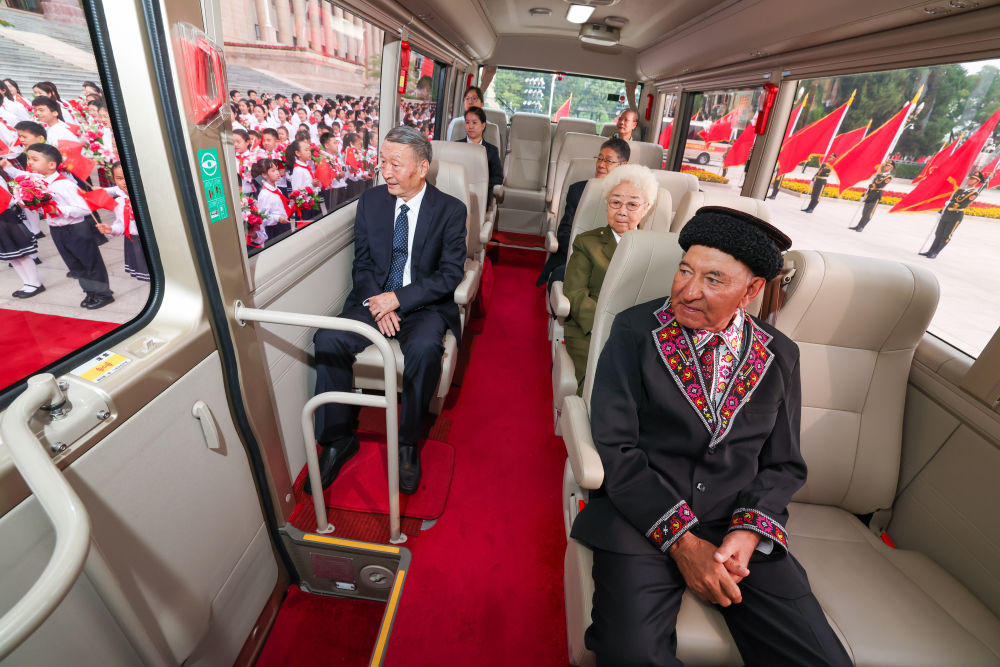
Group 1: Ideological Foundation - The essence of modernization is the modernization of people, with culture playing a key role in shaping thoughts and moral standards [1] - The "open mic" format in Zhejiang is a new exploration for theoretical dissemination, making innovative theories accessible to the public [2] - Various cultural activities across regions, such as historical heritage in Fuzhou and local customs in Yunnan, are used to promote innovative theories [3] Group 2: Motivation for Action - The national honor and medal awarding ceremony in Beijing highlights the importance of recognizing heroes and inspiring societal progress [5][6] - Major ceremonial events have been emphasized to enhance social education and cultural influence, fostering a sense of honor and mission among the populace [8][9] Group 3: Moral Standards - The "Six-Foot Alley" in Anhui exemplifies the integration of traditional virtues into modern community governance, promoting harmony and neighborly relations [11] - Cultural initiatives, such as family values education and anti-waste campaigns, are increasingly prevalent, reinforcing moral norms and societal values [14]