
价格影响力

Search documents
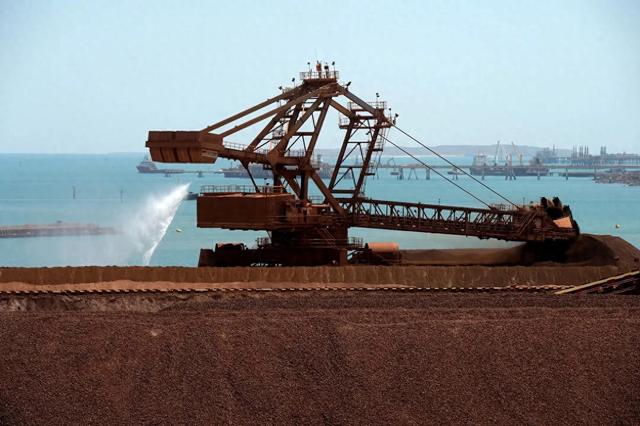
“中方停购必和必拓铁矿石”,澳大利亚总理急了
Guan Cha Zhe Wang· 2025-10-01 11:19
Core Viewpoint - China Minmetals Corporation has requested domestic buyers to suspend purchases of BHP's iron ore priced in US dollars, indicating a significant shift in procurement strategy aimed at enhancing price influence [1][3]. Group 1: Company Actions - The suspension includes new contracts and iron ore shipments already en route from Australia, with only a limited amount of iron ore available for trade in China, all priced in RMB [1]. - This decision follows unsuccessful negotiations between the two parties, highlighting the ongoing tensions in trade relations [1][3]. Group 2: Industry Context - China accounts for approximately 75% of global seaborne iron ore imports, making it the largest consumer of iron ore [3]. - BHP is one of the three major suppliers of iron ore to Chinese steel manufacturers, underscoring the importance of this market for BHP's operations [3]. - Australia's iron ore export revenue is projected to decline from AUD 116 billion to AUD 105 billion by June next year due to increased global supply [3]. Group 3: Government Responses - Australian Prime Minister Albanese expressed disappointment over China's decision and emphasized the importance of iron ore exports for both economies [1][3]. - The Australian government has been attempting to improve relations with China since the Labor Party came to power, which has seen some diplomatic thawing [4][5].


丙烯期货及期权上市 “郑州价格”助力石化产业向优向新
Xin Hua Cai Jing· 2025-07-22 06:50
Core Viewpoint - The listing of propylene futures and options on the Zhengzhou Commodity Exchange marks a significant development in China's chemical industry, providing essential risk management tools and enhancing the country's pricing influence in the global chemical market [1][4]. Group 1: Market Dynamics - Propylene is widely used in various sectors, including plastics, home appliances, automotive, and chemical fibers, making it a crucial intermediate product in the chemical industry [1]. - China's propylene production capacity has grown at an average annual rate of 13.7% from 2014 to 2023, while consumption has only increased by approximately 11.2% during the same period, leading to a loosening supply-demand balance [2]. - The expected growth rate for new propylene capacity is around 14% this year and 8% next year, with total capacity projected to exceed 8 million tons by the end of 2025 [2][3]. Group 2: Risk Management - The introduction of propylene futures and options fills a gap in the risk management tools available for the propylene industry, allowing companies to hedge against price fluctuations effectively [3][4]. - Industry experts emphasize the need for innovative marketing strategies and risk management practices, such as basis trading and rights trading, to enhance sales efficiency and customer loyalty [3]. - The new derivatives will provide a standardized pricing mechanism, reducing information asymmetry and improving decision-making for companies in the propylene supply chain [4][5]. Group 3: Pricing Influence and Development - The establishment of a futures market for propylene is expected to enhance China's pricing power in the global chemical market, transforming the country's scale advantages into pricing advantages [4][5]. - The futures and options market will serve as a reliable pricing reference and risk management tool, supporting the industry's transition to high-quality development [4][5]. - The integration of propylene futures into the broader derivatives chain will allow companies to manage fragmented commodity risks more effectively, thereby increasing the resilience of the entire supply chain [5]. Group 4: Initial Market Performance - On its first trading day, propylene futures opened at 6,550 yuan per ton, reflecting a slight increase from the listing price of 6,350 yuan per ton [6]. - Analysts suggest a trading strategy of short-term long positions and long-term short positions, considering the current market conditions and supply pressures [6][7]. - The overall sentiment in the chemical sector remains positive, with expectations of rising demand and improved profitability for downstream products [7].