议价权

Search documents
憋屈30年,中国终于掀桌子!一纸退货令甩出,澳洲巨头彻底慌神
Sou Hu Cai Jing· 2025-12-31 06:57
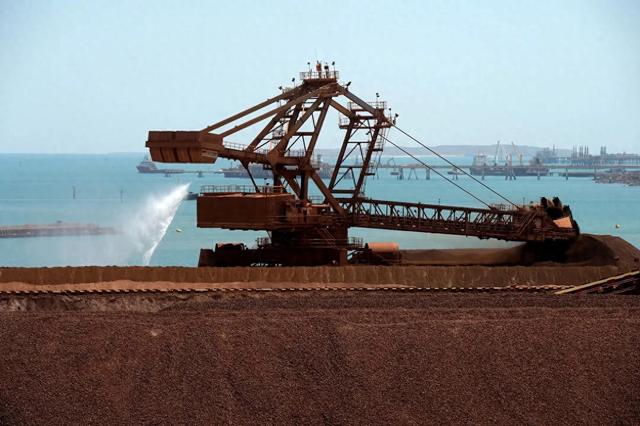
Core Viewpoint - The recent refusal of China to accept iron ore shipments from BHP signifies a shift in the long-standing dynamics of the iron ore market, where China, previously a passive buyer, is now asserting its negotiating power [1][5][7]. Group 1: Market Dynamics - China's rejection of BHP's iron ore is not merely a technical return but a clear statement of changing attitudes towards the iron ore supply chain [5][10]. - Historically, China has been a submissive buyer in the iron ore market, accepting subpar quality and high prices due to its dependency on steel production [3][12]. - The iron ore pricing power has been concentrated in the hands of a few Western mining companies, leading to a structural imbalance in profit distribution [8][14]. Group 2: Strategic Shifts - The refusal to accept BHP's shipment is a signal of a new phase in negotiations, where China is willing to challenge the old rules of engagement [10][16]. - The development of the Simandou iron ore project in Guinea is pivotal, as it offers higher quality ore and gives China a controlling stake, thus altering the supply dynamics [18][19]. - Simandou's strategic importance lies in its ability to provide a viable alternative to existing suppliers, enhancing China's bargaining position [19][22]. Group 3: Industry Implications - The shift in procurement strategy aims to reclaim lost bargaining power and support domestic steel companies, particularly smaller firms struggling with high costs [16][24]. - By emphasizing quality and introducing alternatives like Simandou, China is gradually reducing the excessive profits of mining companies, forcing them to adapt to a more competitive pricing environment [22][24]. - The evolving landscape indicates a move away from the previously accepted norms, suggesting that the era of passive acceptance in the iron ore market is coming to an end [24].


刚暂停购买澳洲矿石,西芒杜铁矿就出事暂停运行,巧合还是意外?
Sou Hu Cai Jing· 2025-10-07 05:30
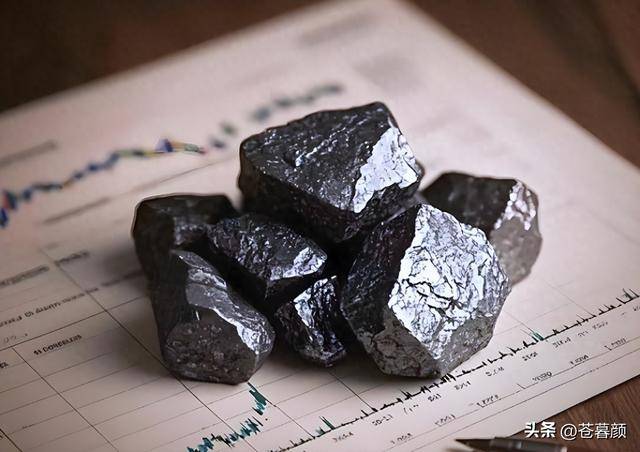
Core Viewpoint - The Chinese Mineral Resources Group (CMRC) has requested domestic buyers to suspend purchases of BHP's iron ore priced in USD, indicating a strategic shift in China's approach to iron ore supply chains and pricing [1][3]. Group 1: Strategic Decisions - The decision to suspend purchases follows unsuccessful negotiations between China and Australia, signaling China's intent to reshape the iron ore supply chain and assert pricing power [3][5]. - By pricing iron ore in RMB, China aims to reduce costs, increase profits, and facilitate the internationalization of the RMB [4][12]. Group 2: Impact of the Guinea Mine Incident - A safety accident at the Simandou iron ore mine in Guinea, involving the death of three workers, has led to the suspension of operations and safety inspections [4][13]. - The timing of this incident is critical, as it coincides with China's negotiations with BHP, potentially affecting China's bargaining position [13]. Group 3: Market Dynamics - China's demand for iron ore constitutes over 70% of Australia's iron ore exports, making it a crucial customer for Australian suppliers [8][11]. - The emergence of the Simandou mine as a viable alternative source of high-quality iron ore (with a total resource of 5 billion tons and over 66% grade) strengthens China's negotiating position against BHP [11][12]. Group 4: Future Considerations - The ongoing negotiations and market dynamics surrounding iron ore pricing will continue, with China determined to maintain its stance regardless of external factors [15].
“中方停购必和必拓铁矿石”,澳大利亚总理急了
Guan Cha Zhe Wang· 2025-10-01 11:19
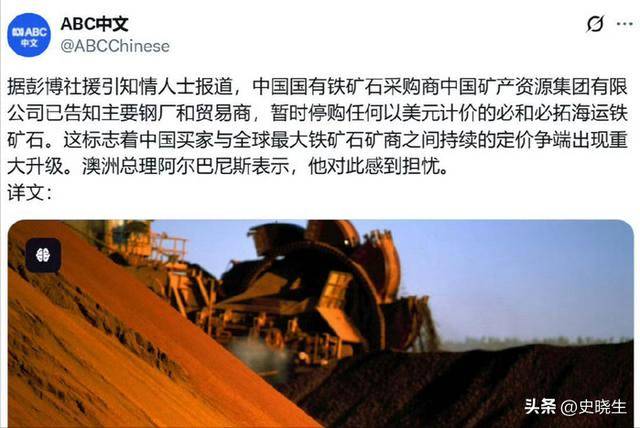
Core Viewpoint - China Minmetals Corporation has requested domestic buyers to suspend purchases of BHP's iron ore priced in US dollars, indicating a significant shift in procurement strategy aimed at enhancing price influence [1][3]. Group 1: Company Actions - The suspension includes new contracts and iron ore shipments already en route from Australia, with only a limited amount of iron ore available for trade in China, all priced in RMB [1]. - This decision follows unsuccessful negotiations between the two parties, highlighting the ongoing tensions in trade relations [1][3]. Group 2: Industry Context - China accounts for approximately 75% of global seaborne iron ore imports, making it the largest consumer of iron ore [3]. - BHP is one of the three major suppliers of iron ore to Chinese steel manufacturers, underscoring the importance of this market for BHP's operations [3]. - Australia's iron ore export revenue is projected to decline from AUD 116 billion to AUD 105 billion by June next year due to increased global supply [3]. Group 3: Government Responses - Australian Prime Minister Albanese expressed disappointment over China's decision and emphasized the importance of iron ore exports for both economies [1][3]. - The Australian government has been attempting to improve relations with China since the Labor Party came to power, which has seen some diplomatic thawing [4][5].