住房制度改革

Search documents
房地产行业“十五五”规划纲要解读:房地产高质量发展,更高水平住有所居
Zhong Guo Yin He Zheng Quan· 2026-03-14 02:24
Investment Rating - The report maintains a "Recommend" rating for the real estate industry [3][6]. Core Viewpoints - The "14th Five-Year Plan" emphasizes accelerating the construction of a new real estate development model, establishing a multi-subject supply and multi-channel guarantee housing system, and achieving a higher level of housing security [8][6]. - The industry is expected to transition from rapid development to high-quality development, focusing on housing supply, public housing fund systems, foundational systems, supply and inventory management, housing leasing, and lifecycle management [6][8]. Summary by Sections 1. Housing Security System - The plan proposes optimizing the supply, use, and management of affordable housing, enhancing support for low-income urban families, and addressing the housing needs of new citizens and youth [9][10]. - It emphasizes a full-process management approach for affordable housing, including application, waiting, allocation, use, and exit mechanisms [11][12]. 2. New Real Estate Model - The plan calls for improving foundational systems for commodity housing development, financing, and sales, and supports the implementation of project company systems and financing lead bank systems [24][25]. - It suggests managing land supply and layout in coordination with housing inventory and population changes, granting local governments more autonomy in real estate market regulation [30][31]. - The plan also aims to activate existing land and projects, which could reduce the overall inventory cycle in the housing market [34][35]. 3. High-Quality Housing - The plan advocates for increasing the supply of improved housing and constructing safe, comfortable, green, and smart homes, while also enhancing property service quality [45][46]. - It highlights the need for a regulated and professionalized housing leasing market, with a focus on lifecycle safety management for housing [48][49]. 4. Investment Recommendations - The report identifies key companies in the industry, including China Merchants Shekou, Poly Developments, China Resources Land, and others, suggesting they may benefit from valuation recovery due to low financing costs and high market share in core areas [66][67]. - It also notes that the REITs market could expand with quality underlying assets such as affordable rental housing and shopping centers, which are expected to provide stable cash flows [68][69].




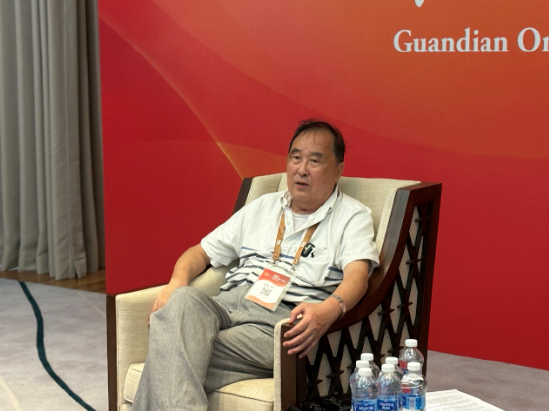
对话陈淮:从“有房住”到“住得好” 房地产如何高质量发展?
Xin Lang Cai Jing· 2025-08-14 15:02
Core Viewpoint - The 2025 Boao Real Estate Forum emphasizes the theme of "The Power of Integration" and discusses the progressive stages of housing development in China, highlighting the need for simultaneous advancement in different stages of housing needs [2] Group 1: Housing Development Stages - The housing development in China is categorized into three progressive stages: the first stage addresses the issue of having no housing, the second stage meets basic improvement needs, and the third stage caters to luxury and enjoyment needs [2] - The transition from the first stage (0 to 1) to the second stage (1 to 2) is crucial, with the first stage not being fully resolved yet, indicating that the construction of affordable housing should continue [2] - The development across these stages is not linear; both stages must progress concurrently rather than waiting for the first stage to be completely resolved before moving to the second [2] Group 2: International Experience and Market Stability - To achieve stable and healthy development in the real estate sector, it is essential to learn from international experiences while considering China's unique circumstances [2] - The example of Japan is cited, where a steady increase in housing demand transitioned from basic to improved housing needs without triggering a price crisis, showcasing a path for high-quality development in the real estate industry [2]

比高房价更令人担忧,“抛房潮”开始了!“2类人”或将离开楼市
Sou Hu Cai Jing· 2025-06-24 14:42
Core Viewpoint - The domestic real estate market is undergoing a profound adjustment, particularly in the second-hand housing market, with a nationwide "selling tide" sweeping across the country, providing some hope for first-time homebuyers [1][3]. Group 1: Market Dynamics - The listing volume of second-hand homes in major cities like Beijing and Shanghai has surpassed 150,000 and 180,000 units respectively, with many regions reporting listings exceeding 100,000 units [1]. - The era of high profits in the real estate market has ended, with national housing prices continuously declining since the second half of 2021, leading to significant losses for speculators [3]. - High holding costs, including property fees and maintenance funds, have increased, while housing prices have fallen, putting immense financial pressure on speculators [3]. Group 2: Buyer Behavior - Two main groups are rapidly exiting the real estate market: exhausted speculators and overburdened "follow-the-trend" buyers [1][4]. - Many families, influenced by the "buying frenzy," purchased homes despite poor economic conditions, hoping for future income growth to repay loans, but are now facing unemployment or reduced income due to the pandemic and economic downturn [4][5]. - The continuous decline in housing prices has led to some areas experiencing price drops exceeding the initial down payment, forcing families to sell at a loss to mitigate further financial damage [5]. Group 3: Economic Impact - High housing prices have drained the savings of many buyers, severely weakening their ability to withstand financial risks, with many families dedicating a significant portion of their income to mortgage repayments [5]. - The burden of high mortgage payments has become unsustainable for many, leading to a situation where families are unable to cover basic living expenses [4][5]. Group 4: Government Response - The government is actively promoting a new round of housing system reforms and increasing the construction of affordable housing to meet the needs of low-income families [7]. - Despite these efforts, the risks associated with high housing prices remain significant, and cautious purchasing or renting is currently seen as a more prudent strategy [7].