供应链投资

Search documents
李在明携韩国商界高规格阵容访华:由三星电子、SK集团、现代汽车、LG集团四大集团会长等200多名企业家组成
Sou Hu Cai Jing· 2026-01-04 09:56
Group 1 - The visit of South Korean President Lee Jae-myung to China is aimed at enhancing bilateral cooperation in various sectors including supply chain investment, digital economy, environmental issues, cultural exchange, tourism, and combating transnational crime [3]. - Accompanying President Lee is a high-profile economic delegation consisting of over 200 South Korean business leaders, including heads of major corporations such as Samsung Electronics, SK Group, Hyundai Motor, and LG Group [3]. - This visit marks the first time in six years that South Korean businesses have come to China in such a significant capacity, signaling a shift towards pragmatic cooperation in the context of fluctuating China-South Korea relations [3]. Group 2 - The urgency of South Korean companies to deepen economic ties with China is evident, reflecting a more rational and pragmatic approach to bilateral relations amid global supply chain restructuring and intensified regional competition [3].

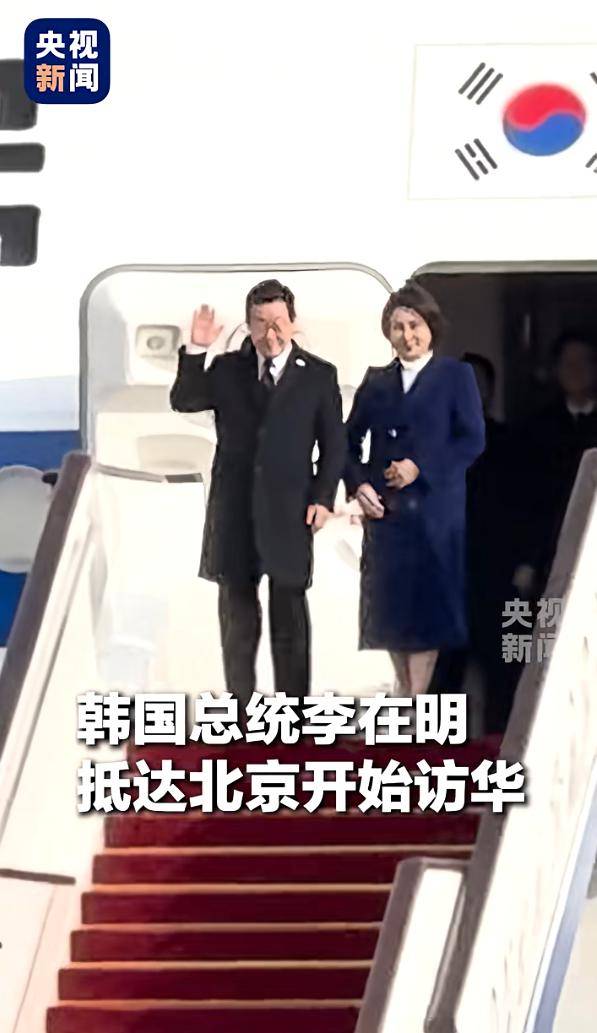
韩国总统李在明抵达北京,开启就任后首次对华国事访问
中国基金报· 2026-01-04 07:19
Group 1 - South Korean President Lee Jae-myung arrived in Beijing for a four-day state visit from October 4 to 7, marking his first visit to China since taking office and the first visit by a South Korean president in six years [1] - During the visit, President Lee reaffirmed South Korea's respect for the One China principle and its stance on Taiwan, emphasizing the importance of this issue to China [1] - The meeting between the leaders of China and South Korea is expected to further strengthen the momentum of the comprehensive restoration of the strategic cooperative partnership between the two countries [1] Group 2 - An economic delegation of over 200 South Korean entrepreneurs accompanied President Lee, indicating a strong interest in enhancing economic ties [1] - Discussions are anticipated to cover practical cooperation in areas such as supply chain investment, digital economy, environmental and climate change, cultural exchanges, tourism, and combating transnational crime [1] - The visit is expected to play a positive role in advancing the strategic cooperative partnership between China and South Korea under the leadership of both heads of state [1]
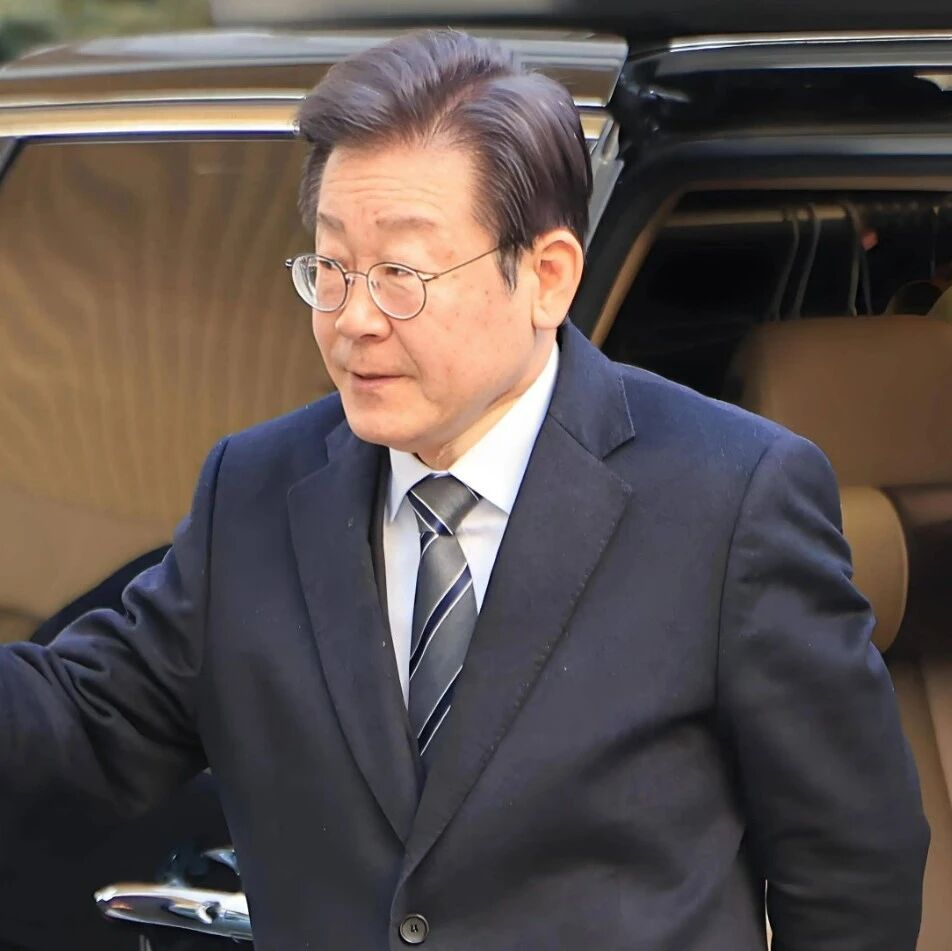
韩国总统李在明抵达北京,200多名韩企业家随行
Xin Lang Cai Jing· 2026-01-04 05:39
Core Viewpoint - South Korean President Lee Jae-myung has arrived in Beijing for his first state visit to China since taking office, marking the first visit by a South Korean president in six years [3][6] Group 1: Visit Details - The state visit will take place from April 4 to April 7, 2023, at the invitation of Chinese President Xi Jinping [3][6] - During the visit, Lee Jae-myung will reaffirm South Korea's respect for the One China principle, particularly regarding Taiwan [3][6] Group 2: Bilateral Meetings - Meetings between the leaders of China and South Korea are scheduled, following their previous discussions in November 2025 during the APEC summit [3][6] - This visit aims to further consolidate the momentum of the comprehensive restoration of the China-South Korea strategic partnership [3][6] Group 3: Economic Delegation - Over 200 South Korean entrepreneurs are accompanying President Lee as part of an economic delegation [3][6] - Discussions are expected to focus on practical cooperation in areas such as supply chain investment, digital economy, environmental issues, cultural exchanges, tourism, and combating transnational crime [3][6] Group 4: Strategic Importance - China and South Korea are important neighboring countries and partners, with expectations that this visit will positively impact the development of their strategic partnership under the leadership of both heads of state [3][6]
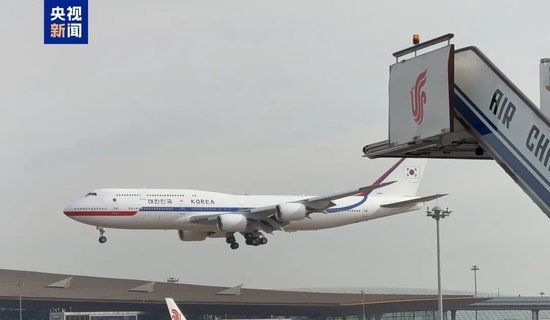
李在明访华行程公布
财联社· 2026-01-02 08:59
Group 1 - South Korean President Lee Jae-myung is scheduled to make a state visit to China from January 4 to 7, 2026 [1][2] - The visit will include discussions on practical cooperation in areas such as supply chain investment, digital economy, environmental and climate change, cultural exchanges, tourism, and combating transnational crime [2] - During the visit, Lee will arrive in Beijing on January 4 and will spend two days in Shanghai, where he plans to visit the site of the Korean Provisional Government from the Japanese colonial period [2] Group 2 - When asked about South Korea's stance on the Taiwan issue, the National Security Office Chief stated that South Korea respects the One China policy and acts in accordance with this position [3]
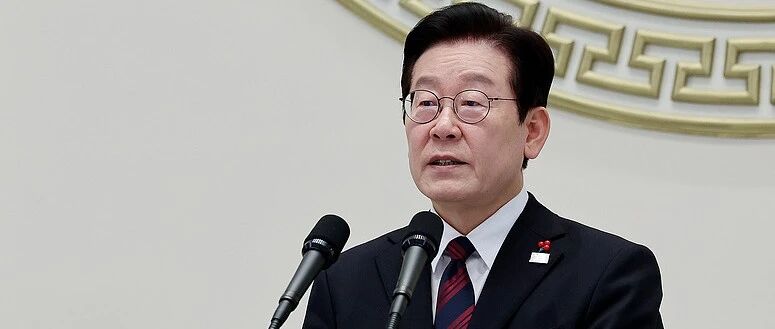
韩国总统李在明访华行程公布:将于4日抵达北京,6日前往上海
Xin Lang Cai Jing· 2026-01-02 08:11
Group 1 - South Korean President Lee Jae-myung will visit China from January 4 to 7, 2026, marking his first state visit to China since taking office [1][2] - The visit will include discussions on practical cooperation in areas such as supply chain investment, digital economy, environmental and climate change, cultural exchanges, tourism, and combating transnational crime [1] - Over 200 South Korean business leaders, including executives from Samsung, SK Group, Hyundai Motor Group, and LG Group, will accompany the president on this visit [2] Group 2 - The visit coincides with the 100th anniversary of the establishment of the Korean Provisional Government's site in Shanghai, which will be commemorated during the trip [1] - The meeting in Beijing will follow a previous meeting between the two countries' leaders at the APEC summit in November 2025, aiming to further strengthen the strategic partnership between South Korea and China [1][2] - The South Korean government emphasizes the importance of the relationship with China, highlighting mutual respect for the One China policy regarding Taiwan [1]
韩国总统李在明访华行程公布
第一财经· 2026-01-02 06:56
Group 1 - The core viewpoint of the article is that South Korean President Lee Jae-myung will visit China from January 4 to 7, 2026, marking his first state visit to China since taking office [3][4]. - The visit aims to strengthen the strategic partnership between China and South Korea, following a meeting between the two countries' leaders in November 2025 [4]. - Key topics for discussion during the visit include supply chain investment, digital economy, environmental issues, cultural exchanges, tourism, and combating transnational crime [3]. Group 2 - A significant delegation of over 200 South Korean business leaders, including executives from major companies like Samsung, SK Group, Hyundai, and LG, will accompany President Lee during the visit [4]. - The visit coincides with the 100th anniversary of the establishment of the Korean Provisional Government in Shanghai, which will be commemorated during Lee's stay [3].
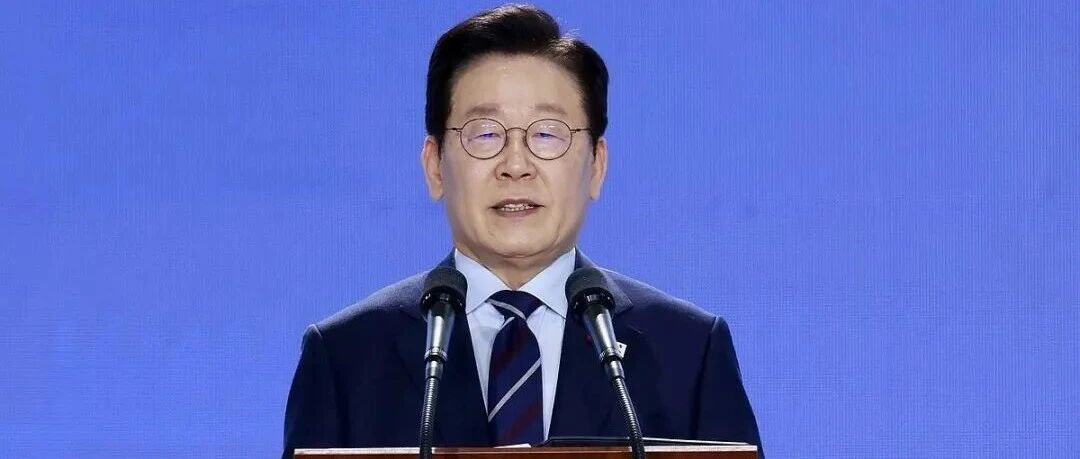
韩方透露李在明访华安排:前往北京和上海,讨论韩中多领域务实合作
Huan Qiu Wang· 2026-01-02 05:58
Group 1 - South Korean President Lee Jae-myung is scheduled to make a state visit to China from January 4 to 7, 2026 [1][3] - The visit will include discussions on practical cooperation in areas such as supply chain investment, digital economy, environmental and climate change, cultural exchange, tourism, and combating transnational crime [3] - During the visit, Lee will arrive in Beijing on January 4 and will spend two days in Shanghai, where he plans to visit the former site of the Korean provisional government during Japanese colonial rule [3] Group 2 - The South Korean government respects the One China policy and will act in accordance with this stance regarding Taiwan [3]
韩国最新涉台表态:尊重一个中国政策,并按照这一立场行事
Huan Qiu Wang· 2026-01-02 05:58
Group 1 - South Korean President Lee Jae-myung is scheduled to make a state visit to China from January 4 to 7, 2026 [1] - The visit will include discussions on practical cooperation in areas such as supply chain investment, digital economy, environmental and climate change, cultural exchange, tourism, and combating transnational crime [3] - During the visit, Lee will arrive in Beijing on January 4 and will spend two days in Shanghai, where he plans to visit the site of the Korean Provisional Government from the Japanese colonial period [3] Group 2 - The South Korean government respects the One China policy and will act in accordance with this stance regarding Taiwan [3]
芯联资本袁锋:CVC下半场,要摆脱简单的供应链投资
投中网· 2025-11-29 07:03
Core Viewpoint - The next five years will be a golden period for Corporate Venture Capital (CVC), emphasizing its value and role in driving innovation and establishing competitive advantages for companies [2][4]. Group 1: Past Five Years - The past five years have seen the gradual recognition of CVC's value, with supply chain investment serving as the essential entry point for CVCs [5][10]. - The Chinese hard technology sector, particularly the automotive industry, has undergone significant transformation, with the penetration rate of new energy vehicles rising from less than 5% in 2020 to 50% today [6]. - The semiconductor industry has also experienced rapid growth, with domestic companies increasing their market presence, leading to a rise in the localization rate of semiconductor equipment from about 10% to 40%-50% in some wafer fabs [9]. Group 2: Future Five Years - The future will witness a shift from simple supply chain investments to a focus on innovation and ecosystem building, with CVCs acting as connectors to enhance their companies' competitive advantages [11][14]. - By 2025, the industry will see a consolidation phase, with many startups exiting the market, leading to increased concentration in both the automotive and semiconductor sectors [12]. - There will be a transition from pursuing scale to fostering foundational innovation, with Chinese companies aiming to lead in core technologies such as autonomous driving and battery systems [13]. - CVCs will need to build systematic capabilities rather than relying on single-point breakthroughs, as comprehensive systems become crucial for industry leadership [13]. - Internationalization will become increasingly important, with Chinese companies establishing local production to adapt to global supply chain strategies [14]. Group 3: CVC's New Mission - CVCs must evolve to become "links" that help companies build their strengths while also investing in emerging industries and reinforcing competitive barriers through innovation [14][15]. - Successful examples include investments in silicon carbide technology, which has captured 70% of the Chinese market, and collaborations in robotics and AI to enhance foundational technology capabilities [15][16]. - The role of CVCs will vary across different stages of corporate development, as seen in historical examples like Intel, which transitioned from supply chain investments to ecosystem building and embracing AI innovations [17][18].
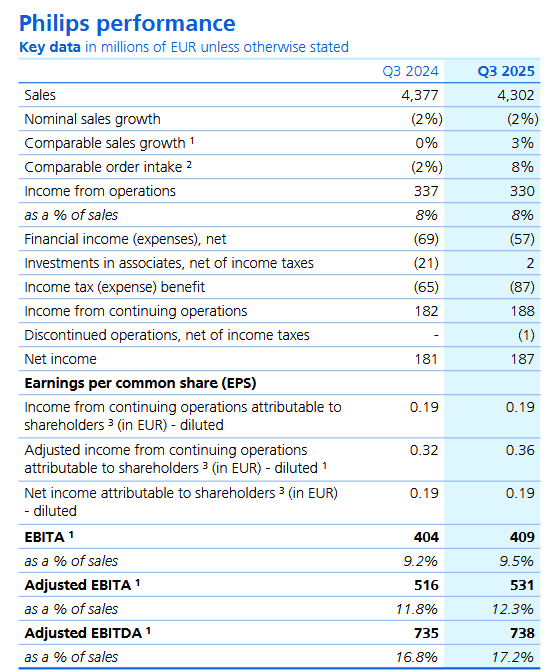
北美市场强劲表现助推飞利浦(PHG.US)Q3可比销售增长3% 经调整EBITA超预期
智通财经网· 2025-11-04 08:11
Core Viewpoint - Philips reported a 2% year-over-year decline in Q3 sales to €4.302 billion, aligning with market expectations, while comparable sales grew by 3% [1][2]. Financial Performance - Adjusted EBITA for Q3 was €531 million, exceeding market expectations of €484 million [1]. - Adjusted earnings per share (EPS) increased to €0.36 [1][2]. - Net income rose to €187 million, with income from continuing operations at €188 million [2]. Business Segment Performance - Diagnostic and Treatment segment sales were €2.08 billion, with comparable sales growth of 1% [2]. - Connected Care segment sales reached €1.20 billion, showing a comparable sales growth of 5% [2]. - Personal Health segment sales amounted to €883 million, with a comparable sales growth of 11% [2]. Market and Strategic Insights - The U.S. remains Philips' largest market, and the company noted that the impact of tariffs would be less than expected due to a trade agreement between the EU and the U.S. [3]. - CEO Roy Jakobs emphasized the importance of investments in the supply chain to mitigate tariff impacts, stating that tariff costs detract from patient care investments [3]. - Philips reaffirmed its full-year guidance for 2025, expecting comparable sales growth of 1%-3% and an adjusted EBITA margin of 11.3%-11.8% [3].