信贷冲量

Search documents
固定收益定期:一月债市的风险和机会
GOLDEN SUN SECURITIES· 2026-01-04 13:42
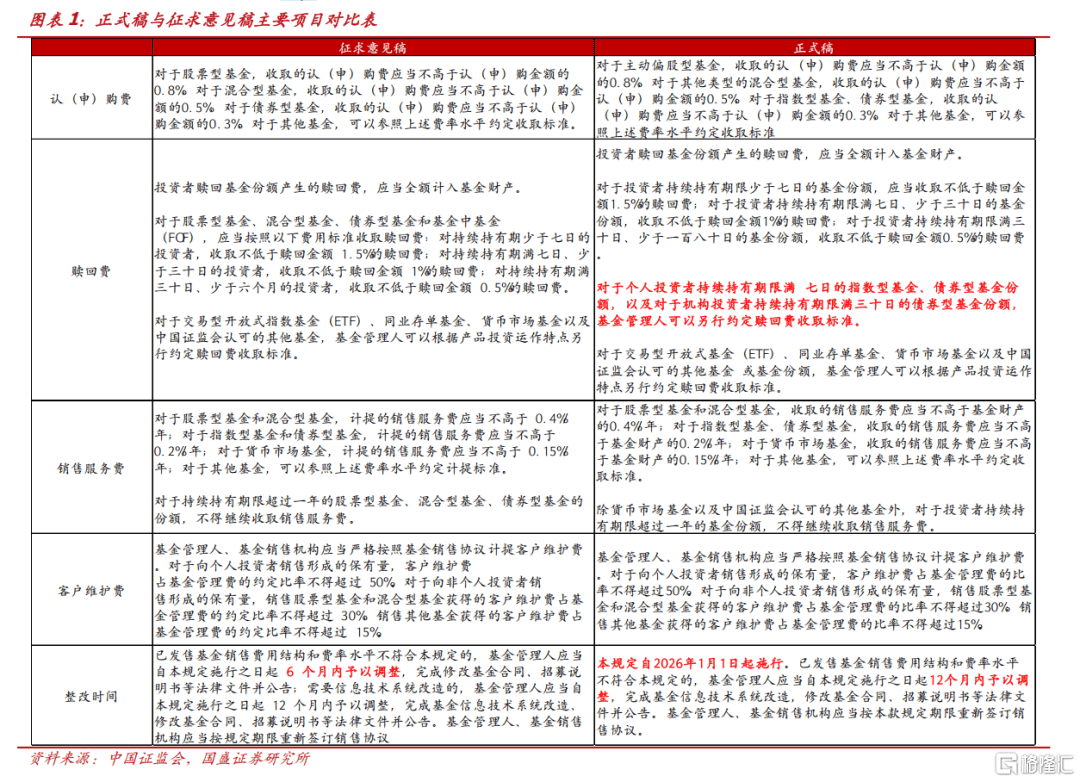
1. Report Industry Investment Rating - Not provided in the report 2. Core Viewpoints of the Report - The bond market is expected to recover after the holiday. The mild implementation of the new public - fund fee regulations and the alleviation of banks' institutional indicator pressure may increase the allocation power and drive the bond market to pick up [5][8][14]. - In January, the bond market may remain volatile under supply shocks. The increased supply of government bonds and the potential credit surge at the beginning of the year may crowd out the allocation power and increase capital demand, leading to greater capital fluctuations [5][14]. - After late January, the recovery of the bond market may be smoother. The impact of supply is rhythmic rather than trend - setting, and the overall financing demand is not strong [5][14]. - It is still believed that the 10 - year Treasury bond is expected to reach a new low in the first half of the year [5][14] 3. Summary by Relevant Contents Pre - holiday Bond Market Performance - In the last week before the holiday, the bond market weakened again, with interest - rate bonds falling and credit bonds strengthening. The yields of 10 - year and 30 - year Treasury bonds rose by 1.0bps and 4.4bps to 1.85% and 2.27% respectively, and short - end interest rates also increased. The yields of 3 - year and 5 - year AAA - second - tier capital bonds declined slightly, and the yield of 1 - year AAA certificates of deposit dropped 1.0bps to 1.63% [1][8] Factors Contributing to Post - holiday Bond Market Recovery - The new public - fund fee regulations implemented on the last day before the holiday are significantly milder than the draft for comments. It gives partial exemptions on bond - fund redemption fees, eases concerns about the new redemption rules, relieves the redemption pressure on bond funds, and helps the bond market recover [1][8][9] - In the new year, the pressure on banks' indicators eases. According to the final revised document of the Basel framework SPR31, the parallel upward shift in the bank book interest - rate shock scenario is adjusted from 250bps to 225bps, and banks will also get new indicator spaces at the beginning of the year, with the indicator pressure seasonally decreasing. This will enhance the overall allocation power and assist the bond - market recovery [2][9] Factors Causing Pressure on the January Bond Market - Supply - side factors: The issuance of government bonds will start in the new year. The 26 regions that have announced their issuance plans plan to issue 2.1 trillion yuan in the first quarter, lower than the 2.5 - trillion - yuan plan in 2025, but the issuance rhythm is more front - loaded, with 8095 billion yuan planned for January, compared with 3713 billion yuan in January 2025. Also, a 30 - year Treasury bond will be newly issued on January 14th, and a 10 - year Treasury bond will be re - issued on January 9th [2][10] - Credit factors: Credit may surge at the beginning of the year. The proportion of first - quarter credit in the whole - year credit increased from 36.2% in 2020 to 59.8% in 2025, and that of January increased from 17.0% in 2020 to 31.4% in 2025. It may rise to 35% or higher in 2026. The concentrated credit release at the beginning of the year may squeeze bank funds and reduce the allocation power to the bond market. It may also increase capital demand and cause greater short - term capital fluctuations if the central bank fails to inject enough funds [3][11] Rhythmic Nature of Supply Impact - The possible surge in January's credit and social financing is not due to an increase in financing demand. The credit - demand index in the third quarter of 2025 was 52.8%, remaining at a low level for two consecutive quarters, and current credit demand is not strong [4][13] - In 2026, fiscal expansion will be moderate, and the year - on - year increase in government bonds will be significantly lower than in 2025. The concentrated issuance in January means less issuance space later, so the impact is rhythmic rather than trend - setting, and the impact on the bond market will gradually subside after the peak in late January [4][13][14]
一月债市的风险和机会
Sou Hu Cai Jing· 2026-01-04 12:14
Core Viewpoint - The bond market weakened in the last week before the holiday, with government bond rates rising while credit bonds strengthened. The expectation is for a recovery in the bond market post-holiday due to regulatory changes and easing bank pressure [1][7]. Group 1: Market Performance - In the last week before the holiday, the 10-year and 30-year government bond rates increased by 1.0bps and 4.4bps to 1.85% and 2.27%, respectively, while short-term rates also rose [1][7]. - Credit bonds showed strength, with 3-year and 5-year AAA secondary capital bond rates slightly declining, and the 1-year AAA certificate of deposit rate decreasing by 1.0bps to 1.63% [1][7]. Group 2: Regulatory Changes - The new public fund fee regulations, which are more lenient than the draft proposal, are expected to alleviate redemption pressure and support the bond market recovery. The final version allows for certain exemptions on redemption fees for long-term holders [1][7]. Group 3: Bank Pressure and Supply - The easing of bank indicator pressures, particularly from large banks, is anticipated to enhance overall allocation strength in the bond market. The Basel framework adjustment will reduce the parallel shift limit from 250bps to 225bps, effective January 1, 2026 [2][9]. - The government bond issuance plan for the first quarter is set at 2.1 trillion, lower than the 2.5 trillion planned for the same period in 2025, but with an accelerated issuance schedule [9][10]. Group 4: Credit and Funding Dynamics - The concentration of credit issuance in January is expected to impact the bond market. The proportion of first-quarter credit issuance has increased from 36.2% in 2020 to an estimated 59.8% in 2025, with January alone potentially accounting for 35% of annual credit [10][14]. - Despite the anticipated surge in credit issuance, current credit demand remains low, indicating that the impact on the bond market may be more rhythmical rather than trend-based [14][15]. Group 5: Future Outlook - The bond market is expected to recover post-holiday, with smoother recovery anticipated after late January, despite ongoing supply pressures and increased funding demands [15]. - The expectation is that the 10-year government bond may reach new lows in the first half of the year [15].