先进算力

Search documents
广东省政协常委陆海:绘制“大湾区产业地图”,杜绝同质竞争
Nan Fang Du Shi Bao· 2026-01-28 06:43
Core Viewpoint - The global technology industry competition has evolved into a comprehensive contest of innovation ecosystems and urban clusters, with the Guangdong-Hong Kong-Macao Greater Bay Area being a crucial strategic force for China's technological self-reliance and global competitiveness [1] Group 1: Importance of Technological Innovation - The deep integration of technological innovation and industrial innovation is vital for the Greater Bay Area to become a world-class bay area and urban cluster, fostering new productive forces and solidifying the foundation for high-quality development [1] - Talent is identified as the primary resource for innovation, with a particular emphasis on the shortage of strategic scientists and top-tier technological talents [1] Group 2: Recommendations for Development - It is suggested that leading enterprises should establish basic research funds and explore new models of "application-driven basic research" to facilitate the initial link from basic research to industrial application [2] - Concentrating resources to cultivate international leading enterprises in fields such as large models, advanced computing power, artificial intelligence, and quantum information is recommended to create globally influential benchmark application scenarios [2] Group 3: Efficient Cross-Border Flow of Resources - The key to ensuring efficient cross-border flow of resources lies in collaboration and connectivity, with a proposal to create a "Bay Area Industrial Collaborative Development Map" to clarify industrial positioning and collaboration priorities among cities [3] - Suggestions include promoting soft connectivity of rules, achieving breakthroughs in areas such as research project management, intellectual property recognition, tax incentives, and talent evaluation standards [3] - Recommendations for optimizing collaborative decision-making mechanisms include delegating authority for clearly defined matters and simplifying approval processes to significantly enhance the efficiency of decision-making and implementation of major issues [3]
EDA工具:贯穿芯片落地全流程,国产企业蓄势待发
GOLDEN SUN SECURITIES· 2026-01-23 09:52
Investment Rating - The report gives an "Accumulate" rating for the semiconductor industry, indicating a positive outlook for investment opportunities in this sector [5]. Core Insights - The EDA (Electronic Design Automation) market is expected to grow significantly, with a projected global market size of $18.3 billion by 2026, reflecting its critical role in the semiconductor industry [2][15]. - The domestic EDA market in China is anticipated to grow at a faster rate than the global market, driven by the rapid development of the integrated circuit industry and emerging technologies such as 5G and AI [18]. - The EDA industry is characterized by high concentration, with the top three companies (Synopsys, Cadence, and Siemens EDA) holding a combined market share of 74% [21]. Summary by Sections EDA: The Foundation of Semiconductor Design and Manufacturing - EDA tools are essential for the design, simulation, and verification of integrated circuits, playing a crucial role in the entire chip development process [10][11]. - The global EDA market is entering a stable growth phase, with a compound annual growth rate (CAGR) of 11.1% from 2017 to 2024, and a projected market size of $15.71 billion in 2024 [15][18]. - The Chinese EDA market is expected to reach approximately 15.3 billion yuan in 2024, with a year-on-year growth of 16.8% [18]. Manufacturing EDA and Design EDA - Manufacturing EDA is a core component of the integrated circuit production process, covering all stages from process platform development to wafer production [3][33]. - The manufacturing EDA market is projected to grow from $3.315 billion in 2020 to $5.754 billion by 2026, with a CAGR of 9.63% [3]. - The report outlines six categories of manufacturing EDA tools, including process and device simulation tools, device modeling and verification tools, and yield management tools [35]. Domestic EDA Companies on the Rise - The report highlights the increasing restrictions on EDA tool exports from the U.S., which presents both challenges and opportunities for domestic EDA companies in China [4]. - The domestic EDA market is characterized by significant growth potential, driven by the need for self-sufficiency and the development of a robust industry ecosystem [4][18]. - The report emphasizes the importance of overcoming high-end core technology barriers and optimizing industry chain processes to enhance competitiveness [4].


华为:2024年中国区政企计算产业增长80%,将持续投入计算产业
Jing Ji Wang· 2025-08-18 07:22
Core Insights - The conference focused on the theme of "Advanced Computing New Choices," highlighting the integration of advanced computing with industry scenarios to drive the release of computing value [1] - Huawei shared its latest achievements in general computing, large model technology, and AI application innovations, emphasizing collaboration with partners across various sectors such as education, government, healthcare, and manufacturing [3] Group 1: Huawei's Business Performance - Huawei's business in the Chinese government and enterprise sector grew by 25% year-on-year, with the computing industry in this sector increasing by 80% [3] - The number of Huawei's diamond and silver partners, as well as commercial transaction partners, is expected to grow by 25% and 22% respectively in 2024 [3] Group 2: Product and Technology Innovations - Huawei plans to fully upgrade its computing products by 2025, opening up the Kunpeng modules and Ascend boards, with a focus on enhancing the competitiveness of its product solutions [3] - The Ascend technology aims to cover all scenarios from low to high computing power by the second half of 2025, with significant investments in specific modules to enhance product competitiveness [5] Group 3: Ecosystem Development - Huawei's Kunpeng computing ecosystem is rapidly developing, with a tenfold growth rate in computing power compared to x86 architecture, positioning Kunpeng as the preferred choice for independent innovation [8] - The company has collaborated with over 50 partners to develop more than 70 products by 2025, fostering a robust ecosystem to support innovation in the computing industry [8] Group 4: Industry Collaboration and Future Outlook - The conference served as a platform for collaboration in the computing industry, aiming to transform advanced computing from technical parameters into a driving force for digital transformation across various sectors [9] - Huawei is committed to deepening collaboration with partners to drive innovation in industry scenarios and accelerate the digital transformation process [9]

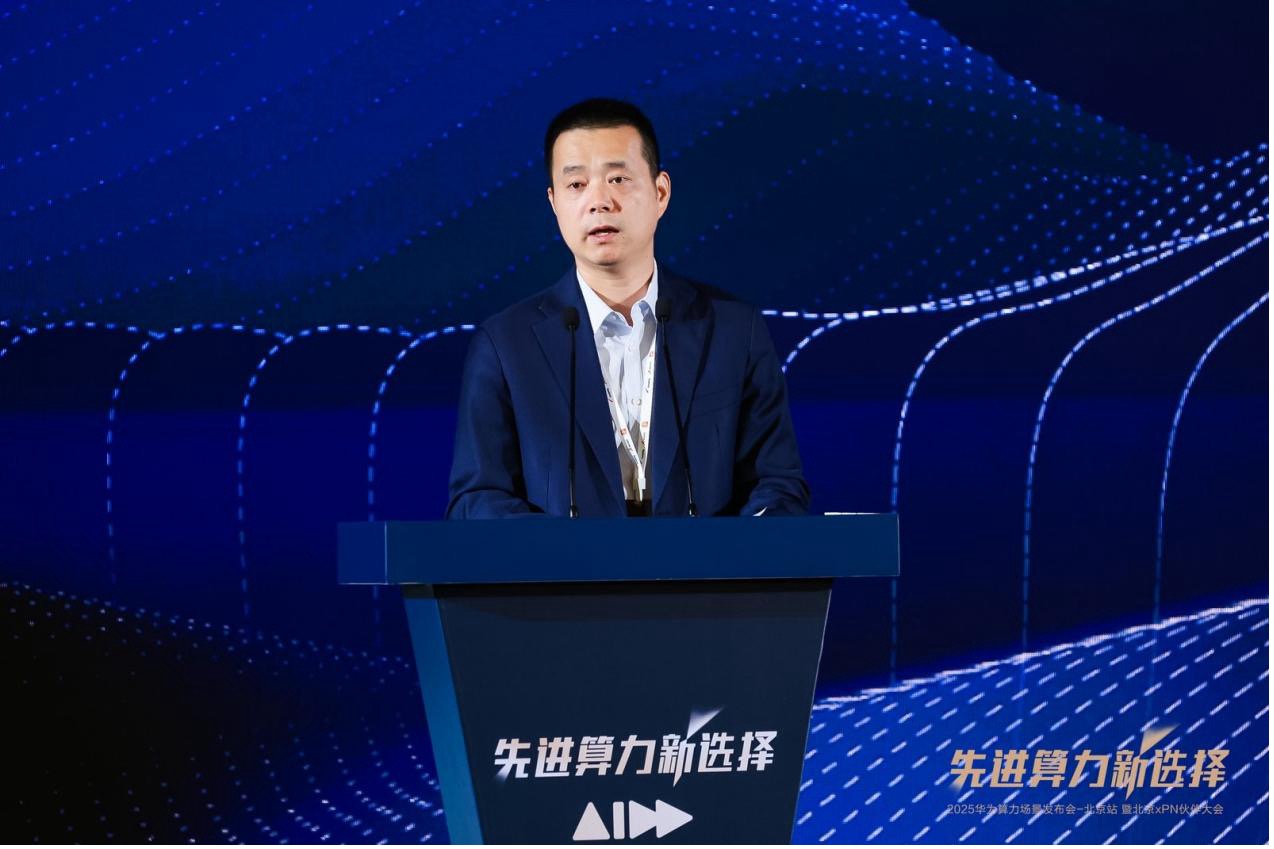
华为2025算力场景发布会,推出“xPN先锋行动”支持伙伴共促数智转型
Huan Qiu Wang· 2025-08-16 09:36
Group 1 - The core theme of the event was "Advanced Computing New Choices," focusing on the deep integration of advanced computing with industry scenarios and exploring new paths for releasing computing value [1] - Huawei showcased breakthroughs in general computing, large model technology, and AI applications, while collaborating with partners to share innovative practices across various sectors such as education, government, healthcare, and manufacturing [1][2] - The launch of the "xPN Pioneer Action" signifies Huawei's commitment to fully support partners in driving digital transformation across multiple industries [1][9] Group 2 - Huawei's business remains robust, with a 25% year-on-year growth in the Chinese enterprise market and an 80% growth in the computing sector, driven by the Kunpeng and Ascend platforms [2] - The number of partners, including gold and silver partners, has significantly increased, and Huawei plans to deepen cooperation through the APN and KPN programs [2] - By 2025, Huawei will fully upgrade its computing products, opening up Kunpeng modules and Ascend boards to support partners in developing edge AI products [2] Group 3 - IDC highlighted that digitalization and intelligence have become new engines for economic growth, with significant increases in spending on digital transformation in China [4] - The demand for computing power is shifting from training to inference, with a surge in demand for intelligent computing capabilities [4] - The digital era requires higher performance computing infrastructure, including multi-core processors and AI application acceleration technologies [4] Group 4 - The Ascend technology session showcased its applications in education, management, and healthcare, emphasizing the support for partners in developing AI solutions [6] - Huawei plans to implement a strategy covering low to high computing power for edge scenarios by the second half of 2025, focusing on enhancing product competitiveness [6] - The CANN framework will be fully open-sourced by the end of 2025, facilitating scenario-based innovation [6] Group 5 - Various companies presented their AI applications based on the Ascend platform, including intelligent monitoring systems and educational solutions [7] - Huawei's Kunpeng computing growth rate surpasses that of x86, establishing itself as the preferred choice for independent innovation in computing [7] - By 2025, Kunpeng will collaborate with over 50 partners to develop more than 70 products, injecting new momentum into the computing industry's independent innovation [7] Group 6 - The "xPN Pioneer Action" was launched to provide comprehensive support for partners in research, marketing, sales, supply, and service, aiming to enhance product competitiveness [9] - The event served as a platform for collaboration in the computing industry, transforming technical parameters into driving forces for digital transformation [9] - The initiative aims to leverage computing power to stimulate industry upgrades and outline an ecological blueprint for the digital era [9]
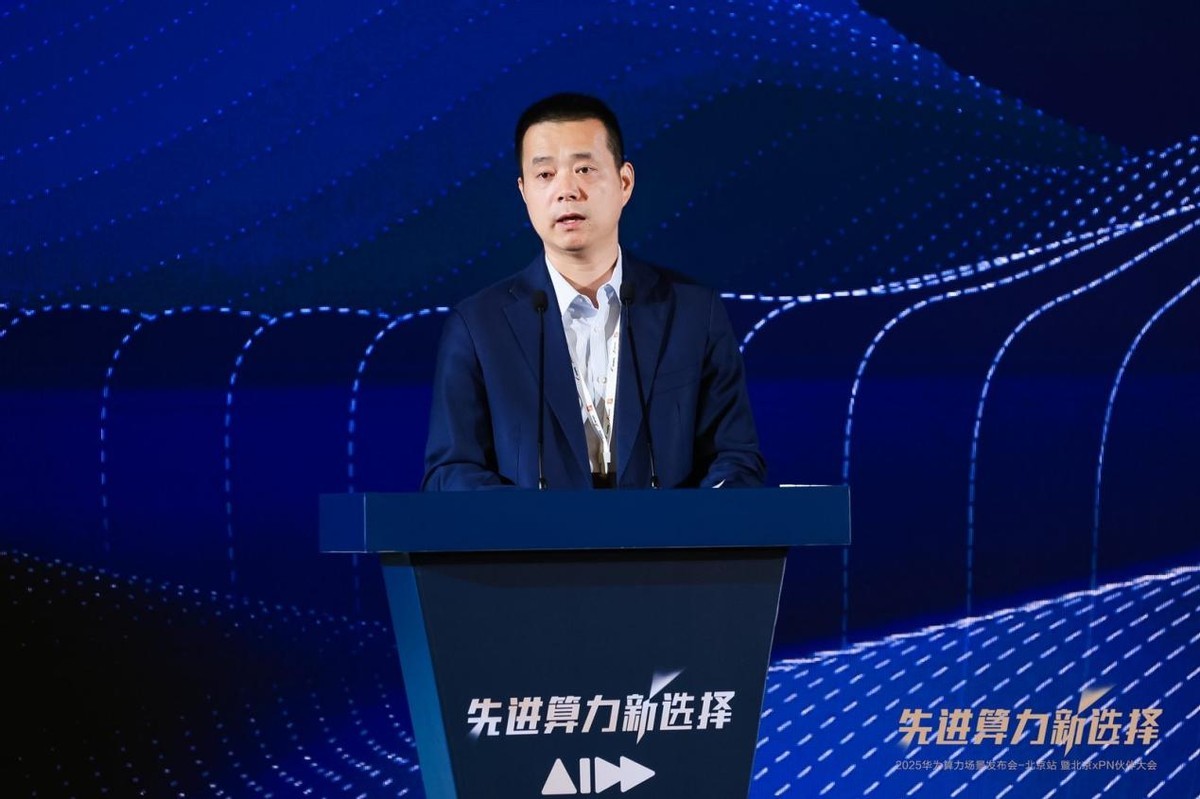
2025华为算力场景发布会暨北京xPN伙伴大会成功举办
Zhong Guo Jing Ji Wang· 2025-08-16 08:16
Core Insights - The event "2025 Huawei Computing Power Scenario Release Conference and Beijing xPN Partner Conference" focused on the integration of advanced computing power with various industry scenarios, showcasing Huawei's latest achievements in general computing, large model technology, and AI applications [1][9] - Huawei's commercial sales in the Chinese government and enterprise sector grew by 25% year-on-year, with the computing industry growing by 80%, highlighting the critical role of the Kunpeng and Ascend platforms in accelerating AI technology deployment [3] - The conference emphasized the importance of computing power as a support for intelligent development, with a significant increase in digital economy spending and the rapid growth of AI infrastructure [4] Huawei's Strategic Initiatives - Huawei launched the "xPN Pioneer Action," aiming to support partners comprehensively in research, marketing, supply, and service, while focusing on core technology and creating competitive products and solutions [1][9] - The company plans to upgrade its computing products by 2025, opening up Kunpeng modules and Ascend boards, and enhancing the development of edge AI products [3][5] - Huawei's partner ecosystem has seen significant growth, with nearly 30 certified APN partners and over 20 KPN partners, indicating a substantial increase in both quantity and quality [3] Industry Trends and Insights - The digital economy is thriving, with a notable increase in spending on digital transformation in China, driven by the rise of generative AI across multiple industries [4] - The demand for computing power is shifting from training to inference, with a rapid increase in the need for intelligent computing solutions and diverse deployment methods [4][5] - The ARM architecture, represented by Kunpeng, is experiencing a growth rate ten times that of x86 computing power, positioning it as a preferred choice for autonomous innovation [7] Partner Innovations and Applications - Various partners presented their innovative AI applications based on the Ascend computing platform, including intelligent monitoring systems for epilepsy patients and legal systems [5] - Softcom Huafang introduced several core products, including a liquid-cooled workstation based on Kunpeng and Ascend processors, showcasing its technological strength and ecosystem integration capabilities [6] - The education sector is leveraging AI through comprehensive training programs and community platforms, aiming to cultivate talent that meets industry demands [6]