光伏运维

Search documents
全球轨道式光伏清洁机器人市场持续升温,四大趋势明确
QYResearch· 2026-03-30 10:12
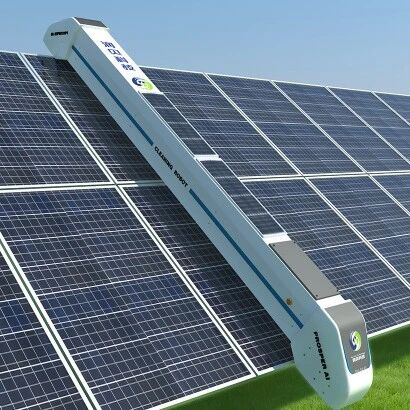
Core Viewpoint - The article discusses the emerging market and trends of rail-mounted solar panel cleaning robots, highlighting their role in enhancing photovoltaic (PV) operation and maintenance efficiency as the global installed solar capacity continues to rise [2][3]. Industry Status - The rail-mounted solar panel cleaning robot market is driven by a rigid demand for cost reduction and is transitioning from pilot demonstrations to large-scale replication. The increasing installation of large ground power plants and commercial rooftop solar projects has made cleaning a critical factor affecting power generation efficiency [6]. - Owners are increasingly focused on enhancing power generation efficiency and reducing labor-intensive operations, prompting a shift from traditional manual/water cleaning methods to automated, low-water/no-water solutions [6]. Pain Points and Optimization Directions - The industry faces four core pain points that need to be addressed: high adaptation costs, insufficient outdoor reliability, challenges in cleaning quality, and weak operational capabilities. Clear optimization directions include improving adaptability and stability through lightweight, high-strength tracks and self-calibration mechanisms, reducing downtime risks with quality environmental protection and low-maintenance modular consumables, and enhancing data-driven operations to transform cleaning robots into quantifiable ROI tools [7]. Global Player Landscape - The global market for rail-mounted solar panel cleaning robots includes 19 key players, with a focus on regions like Israel, China, and India. Only two companies are publicly listed, while most remain private. Key players include Ecoppia (Israel), Taypro (India), and several Chinese companies such as SiTuo New Energy and Todos [8][9]. Key Trends in the Industry 1. **Waterless/Few Water + Night Cleaning as Mainstream Configuration**: In arid regions, there is a preference for dry brushing or micro-water cleaning methods, with cleaning scheduled during nighttime to minimize downtime and reduce water usage and safety risks [12]. 2. **From Single Machine Cleaning to Collaborative Systems**: The focus has shifted from whether cleaning can be done to whether it can be adapted to various component sizes and configurations, necessitating standardized testing methods and collaborative systems [13]. 3. **Adaptation to Tracking Brackets as Growth Focus**: The proportion of new solar power plants using tracking brackets is expected to increase, driving the evolution of cleaning robots to accommodate various array structures [14]. 4. **Efficiency Metrics Becoming Engineering-Oriented**: Procurement decisions are increasingly based on LCOE (Levelized Cost of Energy) perspectives, incorporating quantifiable metrics such as cleaning speed and equipment availability into core evaluation criteria [16]. Industry Chain Breakdown - **Upstream**: Core components that determine device performance and cost include structural and electromechanical parts, drive and control systems, and cleaning consumables, all of which impact equipment durability and overall costs [17]. - **Midstream**: The core competitive barrier lies with manufacturers and system integrators responsible for the design and validation of robots and track systems, as well as their integration with monitoring and operational systems [18]. - **Downstream**: The primary users are solar power plant owners, EPC companies, and maintenance firms, particularly in high-dust, water-scarce, or high-labor-cost regions, focusing on large-scale ground plants and tracking bracket projects [19]. Summary - Rail-mounted solar panel cleaning robots are pivotal for reducing costs and enhancing efficiency in photovoltaic operations, currently at a critical stage of scaling. Future competition will center around standardization, collaboration, and engineering capabilities, with companies that adapt to tracking brackets and enhance data-driven operations likely to gain a competitive edge [19].

光伏运维工作内容有哪些 产业新趋势下实操解析
Sou Hu Cai Jing· 2026-02-24 10:41
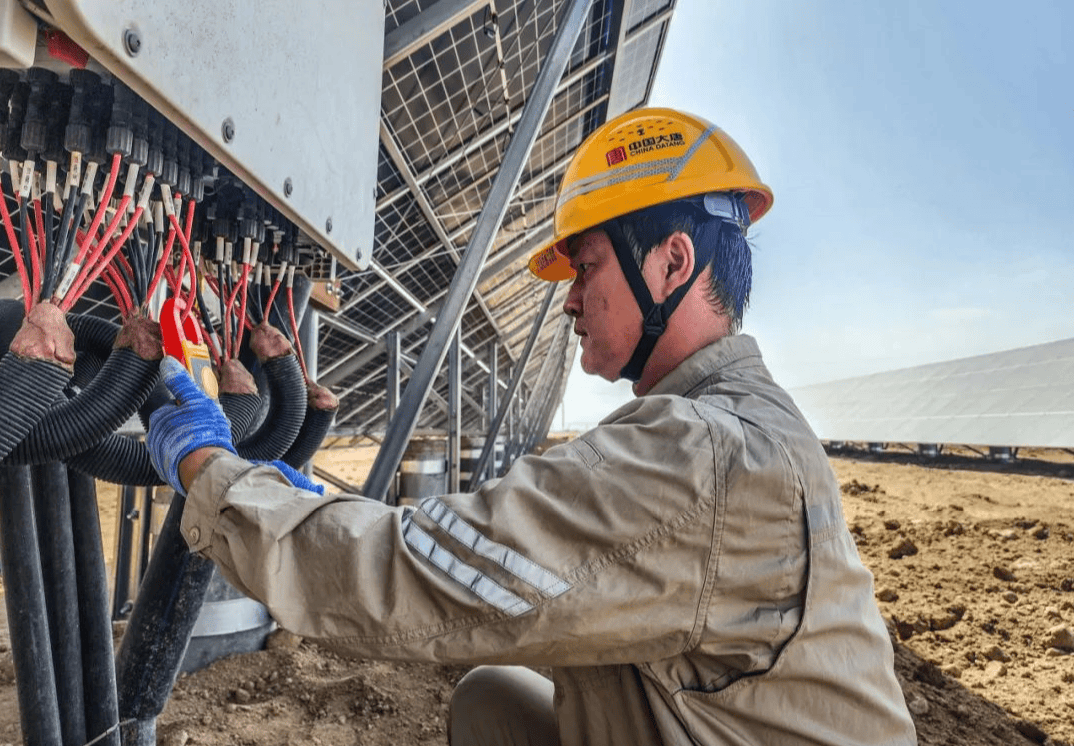
Core Insights - The China Photovoltaic Industry Association released the "China Photovoltaic Industry Development Roadmap (2025-2026)", outlining the current state of the photovoltaic industry and technology trends up to 2035 [1] - By 2025, the new installed capacity of solar photovoltaic in China is projected to reach 315.07 GW, with a cumulative installed capacity exceeding 1200 GW and crystalline silicon module production surpassing 620 GW, reflecting a year-on-year growth of 5.4% [1] Installation and Maintenance - The rapid expansion of photovoltaic installations and the shift towards n-type technology will see n-type monocrystalline silicon wafers accounting for 97% of the market by 2025 [1] - Photovoltaic operation and maintenance (O&M) is crucial for ensuring efficient and stable operation of power plants, covering the entire lifecycle of solar power plants, including daily inspections, equipment maintenance, and fault handling [1] Daily Inspections - Daily inspections are fundamental to identify potential issues in equipment and power plants, preventing minor problems from escalating into major failures [3] - Key inspection targets include photovoltaic modules, inverters, junction boxes, and tracking systems, with specific attention to n-type components for issues like micro-cracks and hot spots [3] Equipment Cleaning - The efficiency of photovoltaic modules is significantly affected by surface cleanliness, with dirt and debris reducing power conversion efficiency [4] - Cleaning methods should be adapted to the local environment, with frequency varying based on regional conditions, such as monthly cleaning in rainy areas and weekly in dust-prone regions [4] Fault Repair - Timely fault repair is essential to minimize downtime and reduce power generation losses, with different equipment requiring specific handling approaches [5] - After repairs, testing is necessary to confirm normal operation and to document the fault and repair process for future reference [5] Data Monitoring and Analysis - The shift towards intelligent O&M emphasizes the importance of real-time data monitoring and analysis to optimize power generation efficiency [6] - Key performance indicators include equivalent utilization hours and LCOE (Levelized Cost of Energy), with data analysis helping to refine operational strategies [6] Record Keeping - Comprehensive record-keeping is vital for maintenance, asset evaluation, and fault tracing, covering all aspects of O&M [7] - Records should include inspection logs, cleaning records, fault repair documentation, and equipment information, ensuring compliance with evolving industry standards [7] Specialized Maintenance for Energy Storage - The integration of photovoltaic and energy storage systems necessitates specialized maintenance for lithium battery systems, focusing on battery status, PCS operation, and temperature control [8] - Regular monitoring of charging and discharging efficiency is essential to enhance the utilization and energy conversion efficiency of storage systems [8] Technology Adaptation - Rapid technological advancements in the photovoltaic industry require O&M personnel to stay updated on new equipment and techniques [9] - Monitoring systems must also be upgraded to accommodate new data analysis needs, ensuring alignment with industry technological developments [9] Compliance Management - O&M must adhere to national policies and industry standards to ensure legal and stable operation of power plants, aligning with the roadmap's goals for high-quality development [10] - Compliance includes maintaining power generation quality, managing waste, and reporting operational statistics as part of the broader energy transition goals [10] Conclusion - Photovoltaic O&M is evolving from basic tasks to a comprehensive role that includes equipment maintenance, data monitoring, energy storage management, technology adaptation, and compliance [11] - Future trends indicate a move towards intelligent, specialized, and refined O&M practices, requiring personnel to possess both traditional maintenance skills and data analysis capabilities to maximize power generation efficiency and support energy transition goals [11]
郴电国际低空技术赋能防灾保供 开辟光伏运维新赛道
Zheng Quan Ri Bao Wang· 2026-01-23 10:48
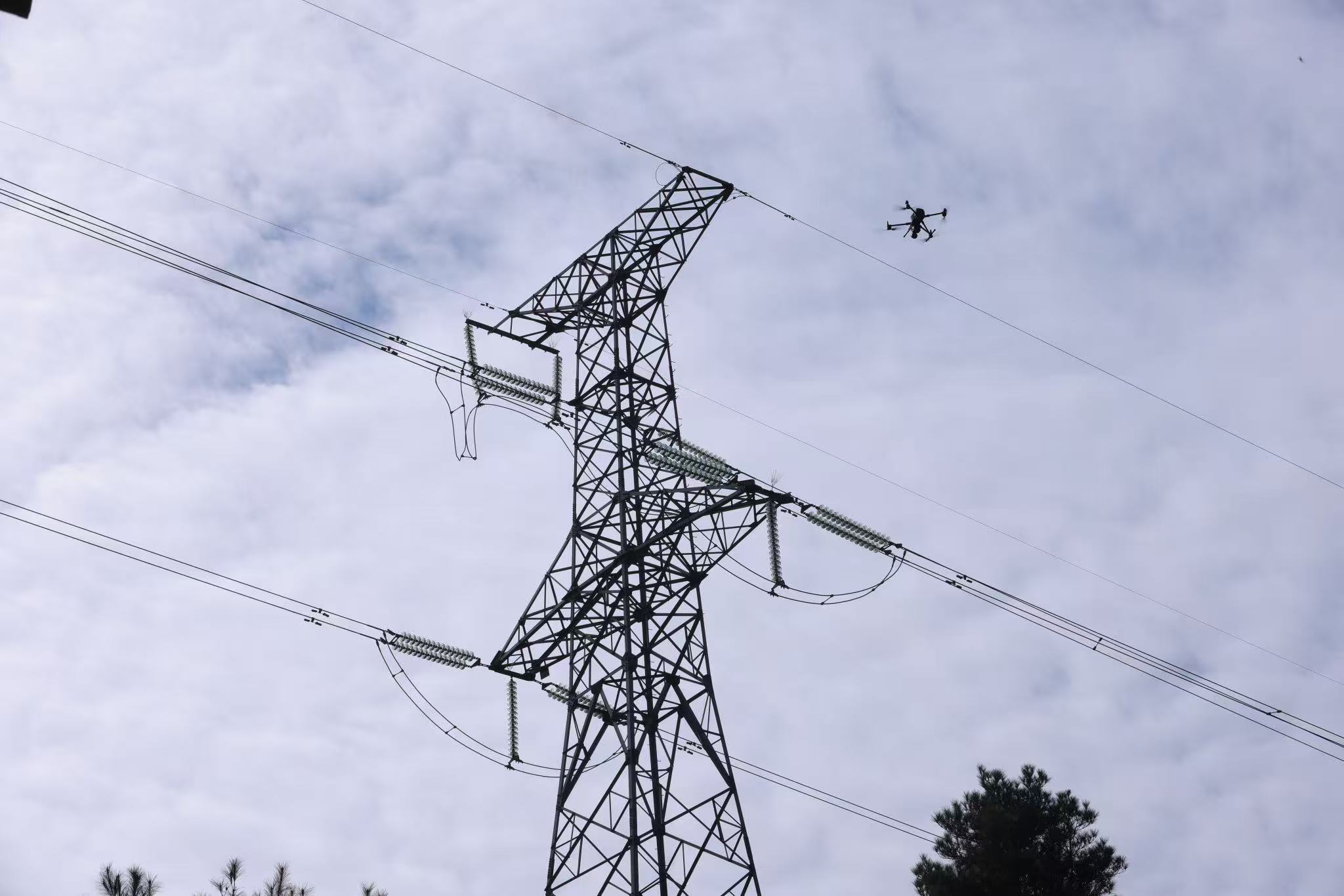
Core Viewpoint - The company is leveraging drone technology for disaster prevention and power supply assurance in response to a new wave of cold weather, enhancing operational efficiency and safety in power line inspections [1][2]. Group 1: Disaster Prevention and Power Supply Assurance - The company is deploying a "human + technical defense" approach to ensure the safety and stability of power lines in ice-prone mountainous and high-altitude areas, utilizing drones for ice observation [1]. - Specific subsidiaries are conducting differentiated inspection work, with real-time monitoring of ice conditions and line status through drone technology [1]. Group 2: Operational Efficiency and Cost Reduction - The drone inspection system has improved efficiency by over five times compared to traditional manual inspections, with a defect identification accuracy rate exceeding 93% [2]. - The company has reduced its power grid operation and maintenance costs by approximately 20% through the implementation of drone technology [2]. Group 3: Expansion into Solar Panel Maintenance - The company is expanding its low-altitude business into the solar maintenance market, offering drone cleaning services that are more cost-effective than manual cleaning [2][4]. - Drone cleaning technology has demonstrated a cleaning efficiency improvement of over three times compared to manual methods, while also preventing damage to solar panels [4]. Group 4: Industry Insights and Future Potential - The integration of low-altitude economy with power maintenance and solar industries addresses traditional operational efficiency and safety challenges, aligning with the trends of renewable energy and low-altitude economy [4]. - The company's approach serves as a model for state-owned enterprises' transformation and aligns with international energy cooperation trends under carbon neutrality goals, indicating significant market potential [4].

小众赛道跑出最大黑马:蓝旭科技光伏智能机器人何以登顶中东
Feng Huang Wang Cai Jing· 2025-12-03 08:32
Core Insights - The article highlights the innovative advancements in solar panel cleaning technology by Xiamen Lanuo Technology Co., Ltd., which has achieved a cleaning efficiency of over 99.5% using autonomous robots, significantly reducing power generation losses caused by dust accumulation [1][3][20] Group 1: Industry Context - The global photovoltaic (PV) industry is experiencing rapid growth, with the International Energy Agency (IEA) projecting that global PV installed capacity will exceed 500 GW by 2025, driven by urgent demand for clean energy [3] - China is expected to contribute 300 GW of new PV installations by 2025, accounting for 59.9% of global demand, while emerging markets like the Middle East and India are anticipated to see growth rates exceeding 50% [3][20] Group 2: Challenges in Solar Panel Maintenance - Dust, bird droppings, and oil can severely hinder the efficiency of solar panels, potentially causing a 20%-30% drop in energy conversion efficiency if not cleaned regularly [3][5] - Traditional cleaning methods are inefficient, water-intensive, and pose risks associated with manual labor, necessitating a shift towards automated solutions [5][20] Group 3: Technological Innovations - Lanuo Technology developed a solar panel cleaning robot capable of operating in extreme temperatures (-35°C to 60°C) and high winds (up to 50 m/s), addressing the challenges of traditional cleaning methods [1][10] - The company has implemented advanced technologies, including a SCADA control system for remote management and AI-driven decision-making capabilities, enhancing the operational efficiency of their cleaning robots [10][19] Group 4: Market Expansion and Strategy - The company successfully entered the Middle Eastern market, securing a significant contract with ACWA Power, which marked a milestone as the first commercial operation of a cleaning robot for tracking solar panel systems [12][19] - Lanuo Technology has established a strong presence in key Middle Eastern cities, delivering cleaning solutions for large-scale solar projects with installed capacities ranging from 1.2 GW to 2.6 GW [12][19] Group 5: Adaptation to Local Markets - The company has shifted from a single product approach to developing tailored solutions for various global markets, addressing specific environmental challenges such as sandstorms in the Middle East and typhoons in Southeast Asia [13][15] - Innovations like the bridge-free crossing technology have improved the reliability and cost-effectiveness of solar installations, allowing robots to navigate obstacles without additional structures [15] Group 6: Future Outlook - The global market for solar cleaning equipment remains underpenetrated, with over 50% of solar panel cleaning still performed manually, indicating significant growth potential for automated solutions [20] - Lanuo Technology's focus on integrating hardware and software solutions positions it well to capitalize on the expanding demand for comprehensive solar operation and maintenance services [19][20]


中国科技产业集团与张北恒丰订立运维服务协议
Zhi Tong Cai Jing· 2025-11-12 02:11
Core Viewpoint - The announcement highlights a new operation and maintenance service agreement between Shaanxi Baike New Energy Technology Development Co., Ltd., a wholly-owned subsidiary of China Technology Industry Group, and Zhangbei Hengfeng New Energy Co., Ltd. for a 500 MW solar power plant in Zhangjiakou, Hebei Province, China [1] Group 1 - The agreement is part of the company's routine business operations and aims to expand its operation and maintenance service business in China [1] - The contract is expected to generate stable annual revenue of RMB 14 million for the company during the agreement period [1]
破局光伏运维痛点 华盛昌发布DT-1500PV引领行业智能升级
Zhong Guo Chan Ye Jing Ji Xin Xi Wang· 2025-07-09 06:38
Core Insights - The photovoltaic industry is entering a new phase of healthy and sustainable development, driven by government efforts to regulate chaotic competition and promote product quality [1] - The launch of the DT-1500PV multifunctional photovoltaic I-V curve tester by Huashengchang targets the critical market of efficient and precise testing equipment essential for photovoltaic power station construction and operation [1][2] Industry Overview - The Chinese government has emphasized the need to address "involution" competition in the photovoltaic sector, with multiple high-level meetings focusing on the regulation of low-price competition and the orderly exit of outdated production capacity [1] - The global and national photovoltaic installation forecasts for 2024 are expected to reach 507 GW and 260 GW respectively, with a compound annual growth rate (CAGR) of 40.53% and 52.40% from 2020 to 2024, indicating strong market demand [5] Product Features - The DT-1500PV tester features a high-definition color screen, real-time I-V curve display, online data reading, and the ability to conduct continuous testing with a single connection, making it suitable for complex scenarios [2][3] - It integrates multiple key functions such as visual inspection, grounding resistance testing, and automatic testing, addressing pain points in photovoltaic operation and maintenance [3] Competitive Advantage - The DT-1500PV surpasses international brands like Fluke by measuring voltages up to 1500V, catering to the needs of larger photovoltaic power stations [4] - Huashengchang's ability to control costs and provide localized services positions it favorably against foreign competitors, facilitating a shift from reliance on imports to domestic production in the photovoltaic testing equipment market [4] Market Trends - The demand for photovoltaic testing equipment is expected to surge due to the dual drivers of anti-involution policies and carbon neutrality goals, with the operation and maintenance market poised to benefit from the increasing installation of photovoltaic systems [5][6] - Emerging applications such as data centers and green hydrogen plants are becoming new growth areas for photovoltaic utilization, further expanding the market for testing equipment [5][6]