
全景无人机

Search documents
全球首款来袭!大疆,痛失“制空权”?
Xin Lang Cai Jing· 2026-01-09 00:33
Core Viewpoint - The dominance of DJI in the drone market is being challenged by the launch of the Antigravity A1 by YingShi Innovation, which achieved sales of approximately 30 million yuan within 48 hours of its release, although it still ranks low in sales compared to DJI products [1][3]. Group 1: Market Competition - YingShi Innovation has officially entered the drone market with the Antigravity A1, which is expected to stimulate competition with DJI [3]. - The estimated actual sales of the Antigravity A1 are around 3,000 to 4,000 units, based on a unit price of 7,000 to 8,000 yuan [3]. - DJI's market share in the panoramic camera segment has increased to approximately 43%, while YingShi's share has dropped to 49% from 81.7% [3]. Group 2: Strategic Positioning - YingShi's founder, Liu Jingkang, anticipates that entering the drone market will provoke a response from DJI, which has already been observed with DJI's price reductions [4]. - The company has been proactive in technology validation and user education to prepare for competition, including the release of a panoramic camera compatible with DJI's Mavic Air 2 [3]. - Liu Jingkang has publicly criticized DJI and its founder, suggesting that DJI's price cuts may be influenced by YingShi's market entry [4]. Group 3: Industry Insights - The article suggests that for drones to succeed, they must become multifunctional tools, akin to a "Swiss Army knife," which is a successful strategy for many tech companies [6]. - DJI is currently transitioning from consumer drones to industrial applications, exploring various use cases beyond simple delivery and photography [7]. - The future of YingShi in the drone market may depend on its ability to navigate challenges in both domestic and international markets, particularly against established competitors like DJI [6][7].


普通人也有飞行梦
36氪· 2025-12-24 13:35
Core Viewpoint - The article discusses the journey of YingShi in developing a consumer-grade drone that offers a unique panoramic experience, aiming to make drone flying accessible to ordinary people, while overcoming significant technical and market challenges [2][10][29]. Group 1: Company Background and Initial Challenges - YingShi is a company focused on exploring visual limits, initially venturing into the sky with the "瞳Sphere," a panoramic camera accessory that faced challenges due to weight and interference issues [5][6]. - The company recognized the difficulty of entering the drone market dominated by established giants and the need for substantial funding to develop a new consumer drone [7][8]. - The past decade has seen many competitors in the drone industry fail due to various reasons, including performance issues and market saturation [8]. Group 2: Development of the YingLing Project - The YingLing project began five years ago, with the aim of creating a new consumer experience that could differentiate YingShi from established competitors [10]. - The team faced significant technical challenges, particularly in flight control and image transmission systems, which required a deep understanding of both hardware and software integration [17][21]. - The initial development involved a small team with relevant experience, focusing on gradual progress and internal talent rather than public recruitment [18]. Group 3: Innovative Solutions and Product Design - The team proposed an innovative approach to achieve the desired filming effects without relying on traditional drone speed and control, utilizing panoramic cameras and post-processing techniques [16]. - The design philosophy emphasized creating a drone that could be operated easily by ordinary users, moving away from traditional joystick controls to a motion-sensing remote control [32][34]. - The team aimed to create a lightweight drone under 250 grams to avoid regulatory issues, which posed structural design challenges [28][30]. Group 4: Technical and Production Challenges - The complexity of drone manufacturing involves a long assembly chain and high precision, with each component's performance affecting the overall system [50][54]. - Extensive testing was conducted to ensure safety and reliability, with the drone undergoing nearly 70,000 flight tests before its official launch [52][56]. - The product's successful launch in China generated over 30 million yuan in sales within 48 hours, indicating strong market acceptance [56]. Group 5: Brand Identity and Market Positioning - The brand name "Antigravity" reflects the company's spirit of challenging norms and pushing boundaries in the drone industry [59][63]. - The team aimed to create a distinct brand identity that stands out in a market dominated by traditional designs, drawing parallels to the innovative approach taken by Sony in the gaming industry [64].
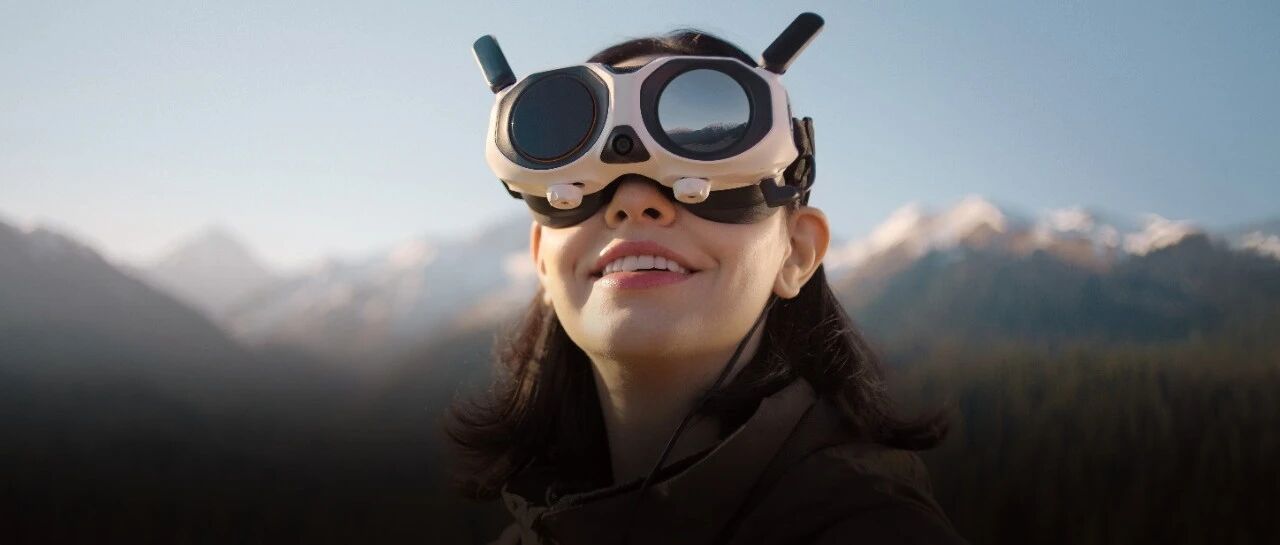
普通人也有飞行梦
3 6 Ke· 2025-12-24 13:16
Core Concept - The article discusses the innovative journey of YingShi, a company aiming to create a consumer-friendly drone that offers an immersive flying experience similar to that of FPV (First Person View) drone pilots, while overcoming significant technical challenges and market competition [1][7][30]. Company Overview - YingShi is focused on exploring visual limits and has previously developed a panoramic camera accessory called "瞳Sphere" that faced challenges in weight and signal interference when mounted on drones [3][4]. - The company aims to create a new category of drones that can provide an experience akin to flying, targeting ordinary consumers rather than just professional pilots [6][12]. Market Challenges - The drone industry has seen many competitors fail due to various issues, including performance, safety, and market saturation, with established giants like DJI dominating the market [5][30]. - Creating a new consumer-grade drone requires significant financial investment, estimated in the hundreds of millions, and a strong talent pool, which is currently concentrated in specific regions like Shenzhen [4][5]. Product Development - The "影翎" project was initiated five years ago, focusing on solving problems that existing companies have not addressed, with the goal of creating a unique flying experience [7][12]. - The development of the drone involves overcoming technical hurdles related to flight control, image transmission, and structural design, which are more complex than those faced in traditional camera systems [12][14][31]. Innovation in User Experience - YingShi's approach includes using a panoramic camera to achieve effects typically associated with FPV drones, allowing for a more accessible user experience [12][17]. - The company is innovating by replacing traditional joystick controls with motion-sensing controls, aiming to simplify the operation for users unfamiliar with drone flying [22][24]. Production and Safety - The production of drones is described as a complex system engineering challenge, requiring meticulous attention to detail and rigorous testing to ensure safety and reliability [30][34]. - YingShi has conducted extensive testing, including nearly 70,000 flight tests, to ensure the safety and performance of their drone before mass production [33][34]. Market Reception - The launch of the YingShi A1 drone was met with significant commercial success, generating over 30 million yuan in sales within 48 hours in China and topping sales charts in Japan shortly after its release [35][36]. Brand Identity - The brand name "Antigravity" reflects the company's mission to challenge the status quo in the drone industry and to provide consumers with a unique flying experience [36][38].
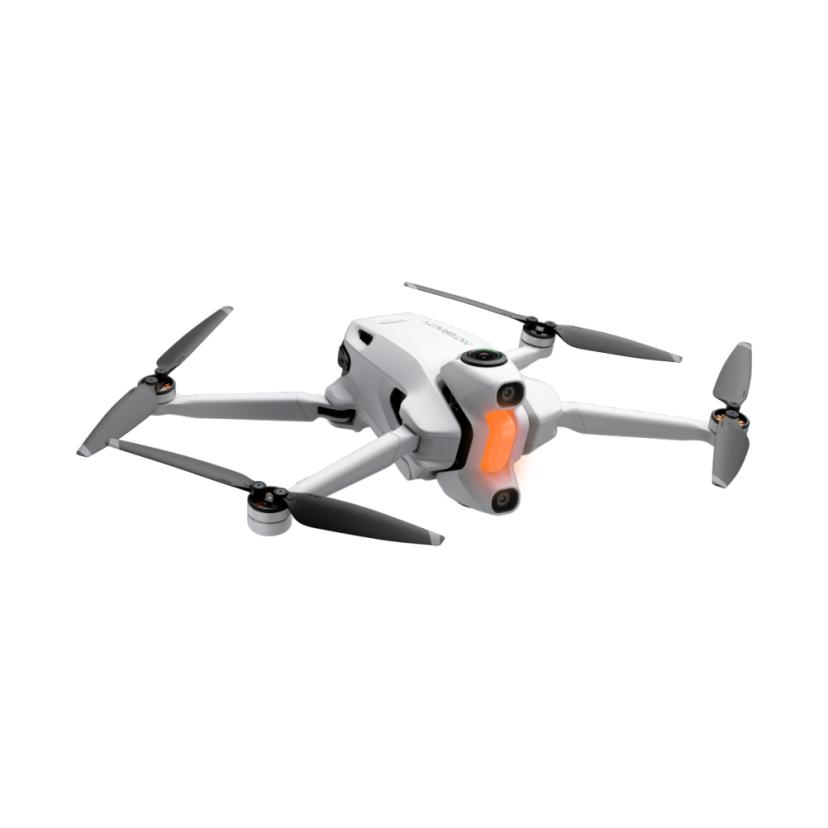
2天卖了3000万元 全景无人机是门好生意吗
2 1 Shi Ji Jing Ji Bao Dao· 2025-12-12 02:32
Core Insights - The launch of the Antigravity A1, the world's first panoramic drone, achieved sales exceeding 30 million yuan within 48 hours, highlighting its strong market entry amidst a slowing consumer drone market [1] - The global consumer drone market is projected to reach $4.27 billion in 2024, with a year-on-year growth of 7%, indicating a shift from double-digit growth to a more moderate pace [1] Product Differentiation - The panoramic drone integrates a 360° camera with a drone platform, offering an immersive "what you see is what you get" aerial photography experience, which differentiates it from traditional drones [2][4] - Key features of the panoramic drone include intuitive motion control, real-time perspective adjustment through head movement, and a low learning curve, making it accessible to new users [4][5] Market Dynamics - The traditional drone market is highly segmented, with established players like DJI focusing on diverse product lines, while the introduction of the panoramic drone may create new market opportunities [8][9] - The panoramic drone targets users who are deterred by the complexity of traditional drones, potentially activating an untapped middle market [11][12] Innovation and Future Potential - The panoramic drone represents a shift from traditional drone capabilities to a "panoramic perception platform," suggesting broader applications in fields like security, emergency response, and live event broadcasting [15][16] - The integration of VR/AR technologies with the panoramic drone could enhance content creation and user engagement, potentially accelerating the adoption of VR applications [16][18] Sales and Market Projections - Initial sales data indicates that the panoramic drone could achieve a shipment scale of approximately one million units if demand for panoramic features is significant [12] - The pricing strategy for the A1, starting at 6,799 yuan, reflects the higher costs associated with its advanced technology, including VR glasses and high-end components [7]

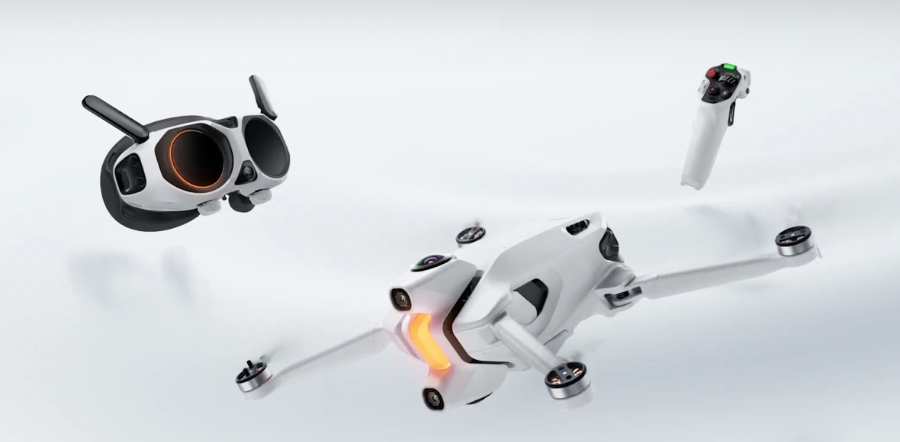
2天卖了3000万元,全景无人机是门好生意吗
2 1 Shi Ji Jing Ji Bao Dao· 2025-12-12 01:25
Core Insights - The launch of the Antigravity A1, the world's first panoramic drone, achieved sales exceeding 30 million yuan within 48 hours, indicating strong market interest [1][14]. - In a slowing consumer drone market, where industry leader DJI is diversifying, the A1's performance stands out, raising questions about whether it represents a "technical micro-innovation" or a "scene revolution" that could create a new product category [2][9]. Product Differentiation - The panoramic drone integrates a 360° camera with a drone platform, offering an intuitive "what you see is what you get" aerial shooting experience, allowing users to control the view by simply turning their heads [3][5]. - Compared to traditional drones, the A1 features a low learning curve, high safety, and immersive user experience, making it appealing to new users and those deterred by the complexity of existing products [5][6][11]. Market Context - The global consumer drone market is projected to reach $4.27 billion in 2024, with a modest growth rate of 3.4% over the next five years, contrasting sharply with previous double-digit growth [2]. - Despite initial sales success, the A1's higher price point compared to traditional drones raises concerns about its long-term market viability and user retention [8][14]. Competitive Landscape - The introduction of the A1 challenges the notion that the consumer drone market is saturated, suggesting that unmet niche demands could provide fertile ground for new product categories [9][10]. - The contrasting strategies of DJI, focusing on incremental innovation, and the disruptive approach of the A1 highlight different paths to market success [14]. Future Potential - The A1's design and technology could pave the way for applications beyond consumer use, such as in security, emergency response, and live event broadcasting, enhancing the overall utility of drones [16][17]. - The success of the A1 will depend on its ability to lower usage barriers, expand creative possibilities, and develop supportive ecosystems for panoramic content creation [17][18].

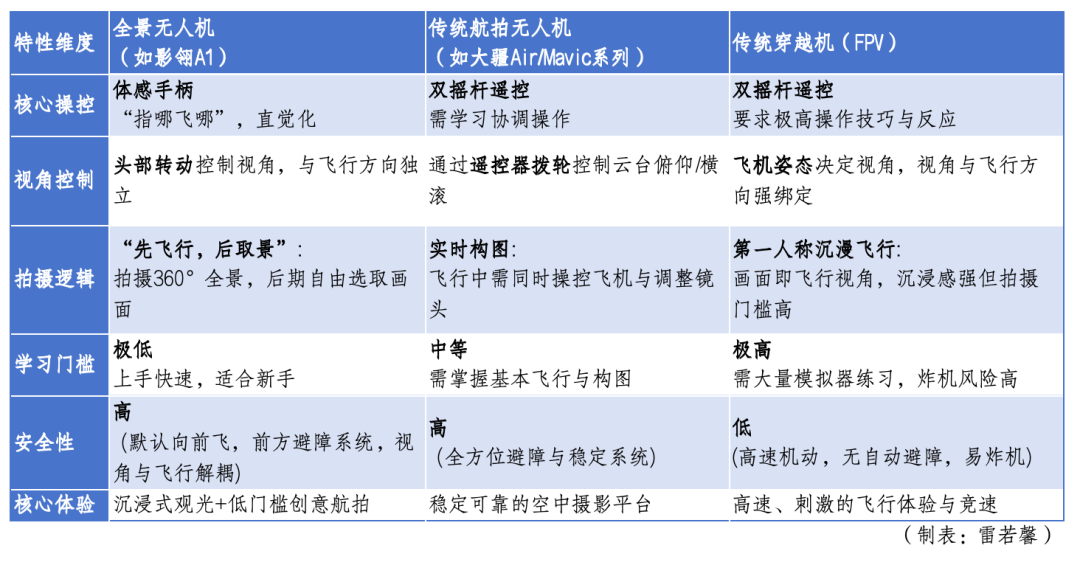
2天卖了3000万元,全景无人机是门好生意吗
21世纪经济报道· 2025-12-12 01:20
Core Insights - The article discusses the launch of the Antigravity A1, the world's first panoramic drone, which achieved sales of over 30 million yuan within 48 hours, highlighting its potential in a slowing consumer drone market [1][10]. - The global consumer drone market is projected to reach $4.27 billion in 2024, with a growth rate of 7%, indicating a shift from double-digit growth to a more moderate pace [1][10]. - The emergence of panoramic drones raises questions about whether they represent a minor technological innovation or a significant new category in the market [1][10]. Product Comparison - The panoramic drone integrates a 360° camera with a drone platform, allowing for intuitive control through head movements, which differentiates it from traditional drones that require complex controls [3][4]. - Key differences between panoramic drones and traditional drones include control methods, perspective management, and user experience, with panoramic drones offering a lower learning curve and higher immersion [4][5]. - The A1's pricing strategy reflects its advanced technology, including VR glasses, which increases its cost compared to traditional drones [5][6]. Market Dynamics - The consumer drone market is perceived to be nearing saturation, with a projected shipment of approximately 4.8 million units in 2024, leading to a focus on replacement and niche demand [8][10]. - The introduction of the A1 could create structural opportunities in a market where mainstream products meet most consumer needs, potentially tapping into previously unmet demands [8][10]. - The A1's appeal lies in attracting users who are deterred by the complexity of traditional drones, particularly younger demographics interested in social sharing [10][11]. Future Potential - The article suggests that the success of the panoramic drone will depend on its ability to create a positive feedback loop of user experience, product iteration, and cost reduction [13][15]. - The potential applications of panoramic drones extend beyond consumer use, with possibilities in security, emergency response, and live event broadcasting, indicating a shift from merely being "flying cameras" to "panoramic perception platforms" [14][15]. - The integration of panoramic drones with VR/AR technologies could revolutionize content creation, making it more accessible and efficient [14][15].

影石刘靖康,拒绝失败者叙事
Tai Mei Ti A P P· 2025-12-11 02:54
Core Viewpoint - The release of the Yingling A1 drone by Yingshi has faced significant criticism and skepticism regarding its sales performance, leading to a notable decline in the company's stock price following the launch [1][2][4]. Group 1: Product Launch and Market Response - Yingshi launched the Yingling A1, the world's first 8K panoramic drone, with a starting price of 7,999 yuan, which can be reduced to 6,799 yuan with government subsidies [1]. - Following the launch, Yingshi's stock price fell over 6% the next day, accumulating a decline of more than 8% by December 9, attributed to concerns over disappointing sales figures [1][2]. - In the first three days post-launch, the Yingling sold over 1,500 units, generating approximately 10 million yuan in revenue, which is significantly below the company's annual sales target of 300,000 units [6][9]. Group 2: Competitive Landscape - The ongoing competition between Yingshi and DJI has intensified, particularly with DJI's recent entry into the panoramic camera market and aggressive pricing strategies [2][10]. - Yingshi's internal communications suggest that the company is facing external pressures from industry giants, with claims of supply chain disruptions and negative media coverage impacting their sales [2][8]. - Despite the challenges, Yingshi reported that the Yingling sold over 500 units in its first week, outperforming DJI's Neo 2 model, which sold only 100 units [2]. Group 3: Financial Performance and Strategic Direction - Yingshi's revenue from consumer imaging products was 3.159 billion yuan in the first half of the year, accounting for 86.06% of total revenue, with panoramic cameras being the main product line [8]. - The company has invested heavily in research and development, with R&D expenses reaching 524 million yuan in Q3, a year-on-year increase of 164.81%, representing 17.81% of total revenue [11]. - Yingshi's management emphasizes the importance of these investments for long-term growth, despite a reported decline in net profit of 5.95% year-on-year [11].
影石创始人回应外界质疑—— 上市新品遇冷不属实 两天卖了3000万元
Shen Zhen Shang Bao· 2025-12-09 17:55
Core Insights - The launch of the Antigravity A1, the world's first panoramic drone by the company, has generated significant sales, with over 30 million yuan in sales within two days in China, despite rumors of a lukewarm market response [1] - The company emphasizes the revolutionary nature of panoramic drones compared to traditional drones, aligning with its mission to help people better record and share life [2] - The company reported a revenue of 6.611 billion yuan for the first three quarters, a year-on-year increase of 67.18%, while net profit decreased by 5.95% due to increased R&D investments [2] Company Performance - The Antigravity A1 features a dual-lens panoramic imaging system and advanced stitching technology, showcasing the company's commitment to innovation [1] - The company faced supply chain challenges before the product launch but successfully navigated these issues, indicating resilience and adaptability [1] - R&D expenses reached 524 million yuan in Q3, a 164.81% increase, reflecting the company's strategic focus on technology and diversification [2] Market Outlook - The Chinese consumer drone market is projected to grow from 33.46 billion yuan in 2020 to 45.781 billion yuan by 2024, with a compound annual growth rate of 8.15% [2] - The company aims to maintain its competitive edge through unique product experiences and strong brand recognition in the smart imaging device sector [3] - The brand "Insta360" has established a strong market reputation due to innovative product design and advanced technology, enhancing its competitive position in the industry [3]

上市新品遇冷不属实 两天卖了3000万元
Shen Zhen Shang Bao· 2025-12-09 17:36
Core Insights - The launch of the Antigravity A1, the world's first panoramic drone by the company, has generated significant sales, with over 30 million yuan in sales within two days in China, despite rumors of a lukewarm market response [1] - The company emphasizes the revolutionary nature of panoramic drones compared to traditional drones, aligning with its mission to help people better record and share life [2] - The company reported a revenue of 6.611 billion yuan for the first three quarters, a year-on-year increase of 67.18%, while net profit decreased by 5.95% due to increased R&D investments [2] Company Performance - The Antigravity A1 features a dual-lens panoramic imaging system and advanced stitching technology, showcasing the company's commitment to innovation [1] - The company faced supply chain challenges before the product launch but successfully navigated these issues, indicating resilience and adaptability [1] - R&D expenses reached 524 million yuan in Q3, a 164.81% increase, reflecting the company's strategic focus on technology and diversification [2] Market Outlook - The Chinese consumer drone market is projected to grow from 33.46 billion yuan in 2020 to 45.781 billion yuan by 2024, with a compound annual growth rate of 8.15% [2] - The company aims to maintain its competitive edge through unique product experiences and strong brand recognition in the smart imaging device sector [3] - The brand "Insta360" has established a strong market reputation due to innovative product design and advanced technology, enhancing its competitive position in the industry [3]
与大疆正面对决,新款无人机刚上市却遭密集批评,影石90后创始人回击
Mei Ri Jing Ji Xin Wen· 2025-12-09 12:45
Core Viewpoint - The launch of the "影翎A1" drone by影石创新 has faced significant criticism regarding its sales performance, with rumors suggesting poor sales figures and rapid resale on second-hand platforms. However, the company's founder, Liu Jingkang, has countered these claims, asserting strong initial sales and positioning the product as a new growth avenue for the company [1][3]. Group 1: Product Launch and Market Response - The影翎A1, marketed as the world's first 8K panoramic drone, was launched with a price of 6,799 yuan after subsidies, and it weighs 249 grams, allowing for simplified flight regulations in many regions [3][4]. - Initial sales figures reported by Liu indicate that the影翎A1 generated over 30 million yuan in sales within 48 hours in China, with additional markets undergoing certification [1][3]. - Despite the positive sales figures, the product faced immediate resale on second-hand platforms at discounts ranging from 400 to 1,000 yuan, leading to a 6.01% drop in影石's stock price on the day following the launch [3][4]. Group 2: Competitive Landscape -影石 and DJI are engaged in fierce competition, with影石 having dominated the global consumer panoramic camera market for six consecutive years, while DJI holds over 70% of the global consumer drone market [2][6]. - Both companies have begun to encroach on each other's core markets, with DJI launching new products targeting影石's successful lines, while影石 introduced the影翎A1 to compete in the drone sector [7]. Group 3: Financial Performance and Investment -影石 reported a revenue of 6.611 billion yuan for the first three quarters of the year, a year-on-year increase of 67.18%, but the net profit attributable to shareholders decreased by 5.95% to 792 million yuan [8]. - The company has significantly increased its investment in research and development, with R&D expenditures reaching 1.085 billion yuan in the first three quarters, a 127.02% increase year-on-year [8]. - Despite the pressure from competition and the need for substantial investment,影石's stock has seen a remarkable increase of over 440% since its IPO, although it has dropped more than 30% from its peak in September [8].