全球供应链脆弱性

Search documents
霍尔木兹“熔断”,这场论坛即将解读全球经济命门
凤凰网财经· 2026-03-04 04:35
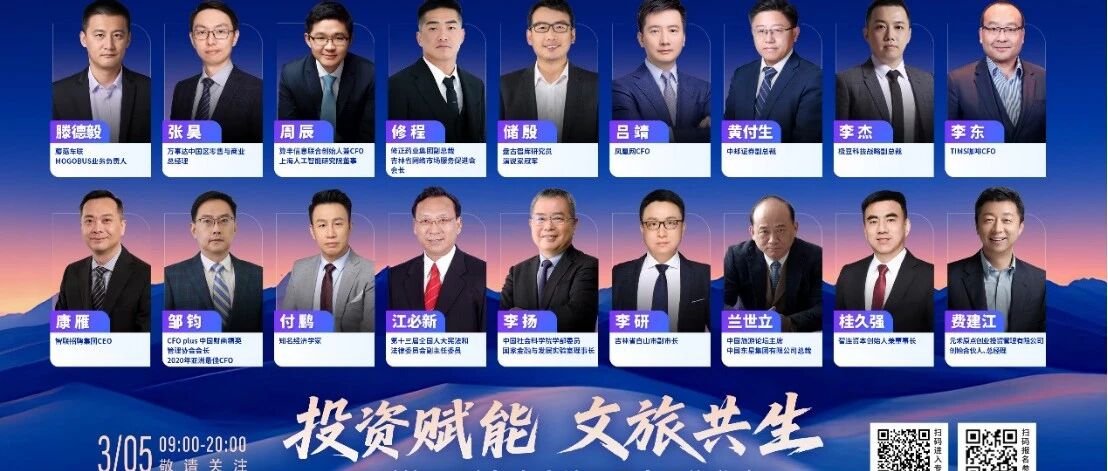
Core Viewpoint - The military conflict between the U.S.-Israel alliance and Iran has escalated significantly, with no signs of a ceasefire, leading to widespread market volatility and potential investment opportunities amidst the chaos [1]. Group 1: Global Market Impact - The conflict has permeated global markets, particularly affecting energy, finance, and commodities, with Brent crude oil prices soaring nearly 13% to $82.37 per barrel, and WTI crude reaching $75.33 per barrel [2]. - Iran's threats of oil prices reaching $200 per barrel and the closure of the Strait of Hormuz have led to significant disruptions in global oil and LNG trade, affecting approximately 27%-30% of maritime oil transport and 20% of LNG trade [2]. - The conflict has resulted in a supply gap due to damage to Iranian energy facilities, which could interrupt daily exports of 1.5 million barrels [2]. Group 2: Market Reactions and Trends - Safe-haven assets like gold have surged, while global stock markets have experienced significant declines, particularly in South Korea, where the index fell over 6%, triggering a trading halt [3][4]. - The volatility in global currencies has intensified, with emerging markets facing increased capital outflow pressures as investors seek safety [4]. - The rising oil prices have escalated production costs for aluminum and other metals, with Iran's aluminum production capacity being over 800,000 tons per year, representing 2% of global capacity [4]. Group 3: Underlying Factors of Market Volatility - The rigid dependency on Middle Eastern energy and the monopolistic control of the Strait of Hormuz have amplified the conflict's impact on global markets, as many countries rely heavily on this route for energy imports [5]. - The rapid escalation of the conflict has led to a significant release of risk-averse sentiment among investors, resulting in a cycle of panic selling and further market declines [6]. - The inherent vulnerabilities in global supply chains and energy systems have allowed the conflict's effects to spread quickly, highlighting the reliance on Middle Eastern resources [7]. Group 4: Opportunities Amidst Challenges - The ongoing turmoil reflects a deep adjustment in global economic, energy, and financial landscapes, presenting both challenges and new opportunities for investors [8]. - The upcoming Changbai Mountain Forum aims to address these market changes, focusing on investment empowerment and the integration of tourism and culture, while providing insights into the long-term impacts of the conflict on the global economy [8][9]. - The forum will gather key industry figures to discuss strategies for navigating the evolving market landscape and leveraging potential growth areas in the context of the current geopolitical climate [9].

全球关键矿场投资白热化
Guo Ji Jin Rong Bao· 2025-12-12 05:11
Core Viewpoint - The global commodity landscape is undergoing significant changes, with resource-rich countries seeking to strengthen control over their mineral wealth through partnerships with commodity traders [1] Group 1: Partnership Details - Gécamines SA of the Democratic Republic of Congo (DRC) has formed a partnership with Mercuria Energy Trading to enhance the sales of copper, cobalt, and other key minerals [1][3] - The partnership is based on a memorandum of understanding signed earlier this year, allowing Gécamines to participate directly in bidding processes for tonnage, aligning with international pricing standards [3] - Gécamines will now direct its copper and cobalt products to end-user markets, marking a shift from a traditional supply model to a more proactive market engagement [3] Group 2: Financial and Operational Support - Mercuria will provide financing support to Gécamines, including upfront and production financing, to enhance operational flexibility and accelerate commercialization [4] - The partnership includes a risk-sharing mechanism where Mercuria offers operational support, while Gécamines retains strategic control over resource destinations and buyer selection [3][4] Group 3: Strategic Importance and Market Impact - The partnership aims to ensure transparent and fair trading of DRC's copper and cobalt, benefiting the country economically [4] - The collaboration is expected to support the commercialization of other strategic minerals produced in DRC, such as germanium and gallium, which are increasingly important in advanced manufacturing [6] - The DRC's dominance in the copper and cobalt markets makes this partnership crucial for international manufacturing sectors reliant on these materials [6] Group 4: U.S. Involvement and Strategic Interests - The U.S. International Development Finance Corporation (DFC) has expressed interest in acquiring a stake in the partnership, which would grant U.S. end-users priority access to critical mineral supplies [1][6] - The partnership structure is seen as a vital tool to address global supply chain vulnerabilities, particularly in the copper and cobalt markets [6] Group 5: Broader Context of Mineral Resources - DRC possesses significant mineral resources beyond copper and cobalt, including lithium, tantalum, and manganese, which have strategic potential [7] - Chinese companies dominate the global cobalt refining capacity, controlling approximately 85% of it, which impacts Western manufacturers due to their reliance on upstream processing capabilities [7] - The DRC's mineral resources are critical for various products, with China being a major consumer of cobalt, highlighting the geopolitical implications of these resources [8]
中国半导体崛起,闻泰向荷兰发最后通牒:恢复安世前CEO,否则芯片出口全面受阻
Xin Lang Cai Jing· 2025-11-04 13:39
Core Viewpoint - The conflict between China's semiconductor giant, Wingtech Technology, and the Dutch government highlights the fragility of global supply chains and poses a risk of production halts in European industries due to the potential disruption of chip exports from China [1][3]. Group 1: Company Relations and Actions - Wingtech Technology demands the reinstatement of the former CEO of Nexperia, a semiconductor company acquired in 2020, as a condition for continuing chip exports from China [1][3]. - The Dutch government's actions, including the forced removal of the CEO under the pretext of national security, are viewed as lacking substantial evidence and damaging to international market rules [1][3]. - Nexperia's chip production heavily relies on packaging and testing processes conducted in China, which are critical for global market access [3]. Group 2: Economic and Industry Implications - The semiconductor crisis has led to warnings from the European Automobile Manufacturers Association (ACEA) about potential production halts for European car manufacturers due to chip shortages [3]. - The impact of the Nexperia incident extends beyond the semiconductor industry, affecting aerospace, defense, and other critical sectors [3]. - Wingtech's actions are seen as a defense of corporate rights and a call for the Dutch government to apologize and compensate for economic losses incurred due to the forced takeover [3][4]. Group 3: Broader Industry Context - The incident symbolizes the rise of the Chinese semiconductor industry, which has been improving its technological capabilities and reducing reliance on foreign entities [4]. - The outcome of this conflict may determine whether global supply chain stability can be maintained and if the Dutch government will acknowledge and rectify its actions [4].