
全球南方发展

Search documents
全球南方财经论坛在沪举行 专家学者共探学科建设与发展路径
Xin Lang Cai Jing· 2026-01-19 14:04
Group 1 - The Global South Financial Forum and the Shanghai University of Finance and Economics' Regional and Country Studies Seminar focused on the rise of the Global South and the construction of regional and country studies [1] - The establishment of the Global South Financial Research Institute at Shanghai University of Finance and Economics is seen as a necessary move to support national strategies, leveraging the university's strengths in finance [1] - The seminar emphasized the need for a multi-disciplinary research framework that integrates global, regional, national, and domestic perspectives, particularly in the context of the Global South [2] Group 2 - The rise of the Global South faces structural constraints such as population size, external environment, and modernization pathways, with Chinese-style modernization offering unique insights [2] - There is a call for strengthening the characteristics of disciplines in global and regional governance research, focusing on political and security governance, sustainable development, and cultural exchange [2] - The Shanghai University of Finance and Economics aims to become a leading academic hub for Global South research, focusing on key issues related to the rise of the Global South and regional governance [3]


21社论丨全球贸易格局变化重塑中国外贸动能
21世纪经济报道· 2025-12-11 00:34
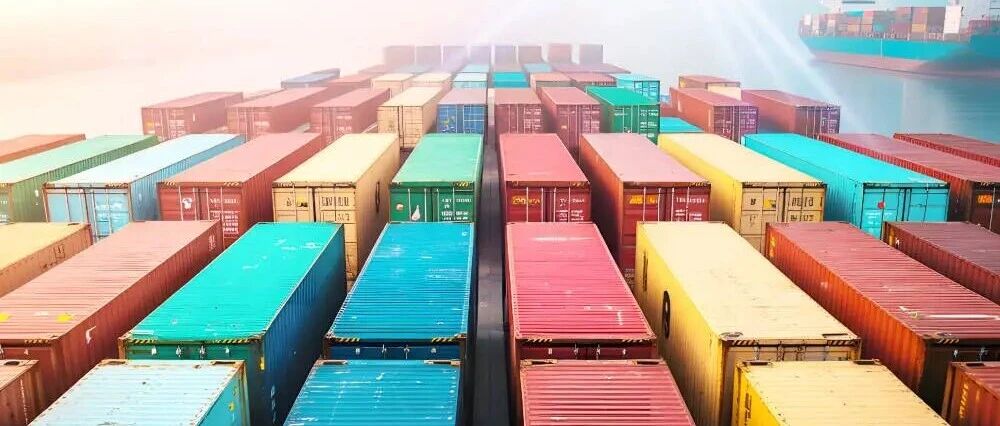
Core Insights - China's goods trade surplus has surpassed $1 trillion for the first time, reaching $1.076 trillion, driven by both short-term factors and long-term structural changes [1][2][3] Group 1: Trade Dynamics - The increase in trade surplus is influenced by the "export rush" phenomenon due to the U.S. imposing tariffs on multiple countries, leading to a preemption of future trade activities [1] - Structural changes in global trade are reshaping China's trade dynamics, particularly through the rise of emerging markets and the restructuring of industrial chains [1][2] Group 2: Export Structure Upgrade - China's export structure is evolving from exporting consumer goods to developed countries to supplying intermediate goods for emerging manufacturing bases [2] - The share of intermediate goods in China's total exports has risen from approximately 42% in early 2015 to 46% by June 2025, while the share of consumer goods has decreased from 37% to 31% [2] Group 3: Green Energy Transition - The global shift towards green energy is creating new demand, with China's capabilities in solar, lithium batteries, and electric vehicles supporting this transition [2] - Exports of China's "new three items" (electric vehicles, lithium batteries, solar cells) are projected to grow 2.6 times from 2020 to 2024, reaching around 1 trillion RMB [2] Group 4: Market Diversification - China's exports to countries involved in the Belt and Road Initiative, ASEAN, and Africa have been growing rapidly, with exports to Africa increasing by 26.3% in the first 11 months of this year [2] - This diversification has allowed China to maintain growth in total foreign trade and surplus despite pressures in traditional markets like the U.S. and Europe [2] Group 5: Comparative Advantage - The essence of China's trade surplus is shaped by global industrial chain division and China's industrial upgrading, creating a win-win trade scenario [3] - China's exports of intermediate and green products meet the urgent needs of emerging markets for industrialization and global decarbonization [3]
共同应对挑战,合力推动发展
Qi Huo Ri Bao Wang· 2025-11-24 02:00
Group 1 - The current challenges of climate change, energy, and food security require international cooperation and solidarity to address these issues effectively [2] - The G20 should enhance ecological and environmental cooperation, emphasizing scientific principles and shared responsibilities to improve development resilience [2] - China is willing to strengthen cooperation under the "Kunming-Montreal Global Biodiversity Framework" and expedite the outcomes of the 30th Conference of the Parties to the UN Framework Convention on Climate Change [2] Group 2 - There is a need for increased cooperation in green energy to facilitate a just transition and maintain stable supply chains for global green industries [2] - China aims to support global energy transitions and promote the free flow of related technologies and products [2] - Strengthening food security cooperation is essential to ensure stable supply and optimize global food circulation [2] Group 3 - The new wave of technological revolution and industrial transformation presents unprecedented development opportunities but may also create new inequalities [3] - The G20 should promote the widespread application and effective governance of artificial intelligence, encouraging research collaboration and sharing of results [3] - There is a call for mutual cooperation in critical minerals and their peaceful use, with an emphasis on protecting the interests of developing countries [3] Group 4 - The summit adopted the "G20 South Africa Summit: Leaders' Declaration," indicating a collective commitment to the discussed initiatives [4] - During the summit, China engaged in friendly exchanges with leaders from various countries, including France, South Korea, Angola, and Spain [4]
推动全球绿色产业合作保持产供链稳定畅通
Zhong Guo Zheng Quan Bao· 2025-11-23 20:06
Group 1 - The current challenges of climate change, energy, and food security require international cooperation and solidarity to address these issues effectively [2] - The G20 should enhance ecological and environmental cooperation, emphasizing the principle of common but differentiated responsibilities, and accelerate the implementation of international climate agreements [2] - China is willing to strengthen cooperation under the "Kunming-Montreal Global Biodiversity Framework" and support global energy transition efforts [2] Group 2 - The new wave of technological revolution and industrial transformation presents unprecedented development opportunities but may also create new inequalities [3] - The G20 should promote the widespread application and effective governance of artificial intelligence, encouraging research collaboration and sharing of outcomes [3] - There is a need to enhance cooperation on critical minerals, ensuring equitable distribution of benefits and addressing security risks associated with military uses [3] Group 3 - Strengthening food security cooperation is essential to ensure stable supply chains and optimize global food circulation [2] - China aims to collaborate with other countries to implement international food security initiatives and enhance agricultural technology cooperation [2] - The G20 summit resulted in the adoption of the "G20 South Africa Summit: Leaders' Declaration" [3]
巴中合作促进全球南方发展(国际论坛)
Ren Min Ri Bao· 2025-05-15 22:01
Core Points - Brazil aims to deepen cooperation with China and other Global South countries to promote a more equitable, inclusive, and diverse international system [1][3] - The visit of Brazilian President Lula to China is a significant diplomatic action that strengthens the foundation of the Brazil-China comprehensive strategic partnership [1][2] - Brazil has historically advocated for the democratization of global governance and emphasizes enhancing the voice and influence of developing countries through South-South cooperation [2][3] Summary by Sections Brazil-China Relations - The historical meeting between President Lula and President Xi Jinping last November resulted in milestone achievements, setting a grand blueprint for new developments in bilateral relations [1] - Brazil and China have expanded cooperation into various fields such as agriculture, energy, infrastructure, technology innovation, and aerospace [2] - China has been Brazil's largest trading partner since 2009, highlighting the importance of their economic relationship [2] Climate Change and Green Energy - Brazil is set to host the 30th Conference of the Parties to the United Nations Framework Convention on Climate Change, emphasizing the importance of climate issues [2] - Both countries have a strong foundation for cooperation in climate change response, green energy development, and carbon market mechanisms [2] Global Governance and South-South Cooperation - China's global development, security, and civilization initiatives have gained widespread international response, enhancing China's international discourse power [3] - Brazil and China maintain close communication within the United Nations framework and support each other on issues like World Trade Organization reform and representation of Global South countries in international financial institutions [3] - Lula's visit to China marks a significant milestone in Brazil's diplomacy, signaling a desire to deepen cooperation with Global South countries [3]