
新型经济全球化

Search documents
大国金融的治理智慧
Xin Lang Cai Jing· 2026-02-26 21:46
Group 1 - The core viewpoint emphasizes the importance of financial security in China, highlighting the need to prevent systemic risks while pursuing economic development [2][3] - The current stage of China's economy is characterized by the "middle-income trap" and a critical transformation period, necessitating a focus on financial stability to address potential risks [3][4] - External factors, including geopolitical tensions and global economic stagnation, further underscore the need for robust financial security measures [4][8] Group 2 - Maintaining financial security requires a proactive approach, focusing on both preventing crises and addressing underlying issues within the financial system [5][6] - The 2023 Central Financial Work Conference identified key risks such as real estate, local government debt, and small financial institutions, which are linked to high leverage and debt levels [5][6] - The emphasis on reforming and optimizing institutional mechanisms is seen as fundamental to enhancing economic vitality and ensuring financial security [5][7] Group 3 - The strategy for addressing financial risks involves promoting development rather than solely relying on regulatory measures, with a preference for expanding assets over reducing debt [6][7] - The integration of financial openness with security is crucial, as global competition necessitates engagement in international markets while managing associated risks [7][8] - China's approach to financial security includes strengthening financial infrastructure, enhancing international payment systems, and increasing participation in global financial governance [8][9] Group 4 - The concept of "great power financial security" reflects both domestic structural challenges and the need for a global perspective in addressing financial safety [9] - China's initiatives, such as the Global Development Initiative and the Global Security Initiative, aim to foster a cooperative international environment for financial stability [9][10]

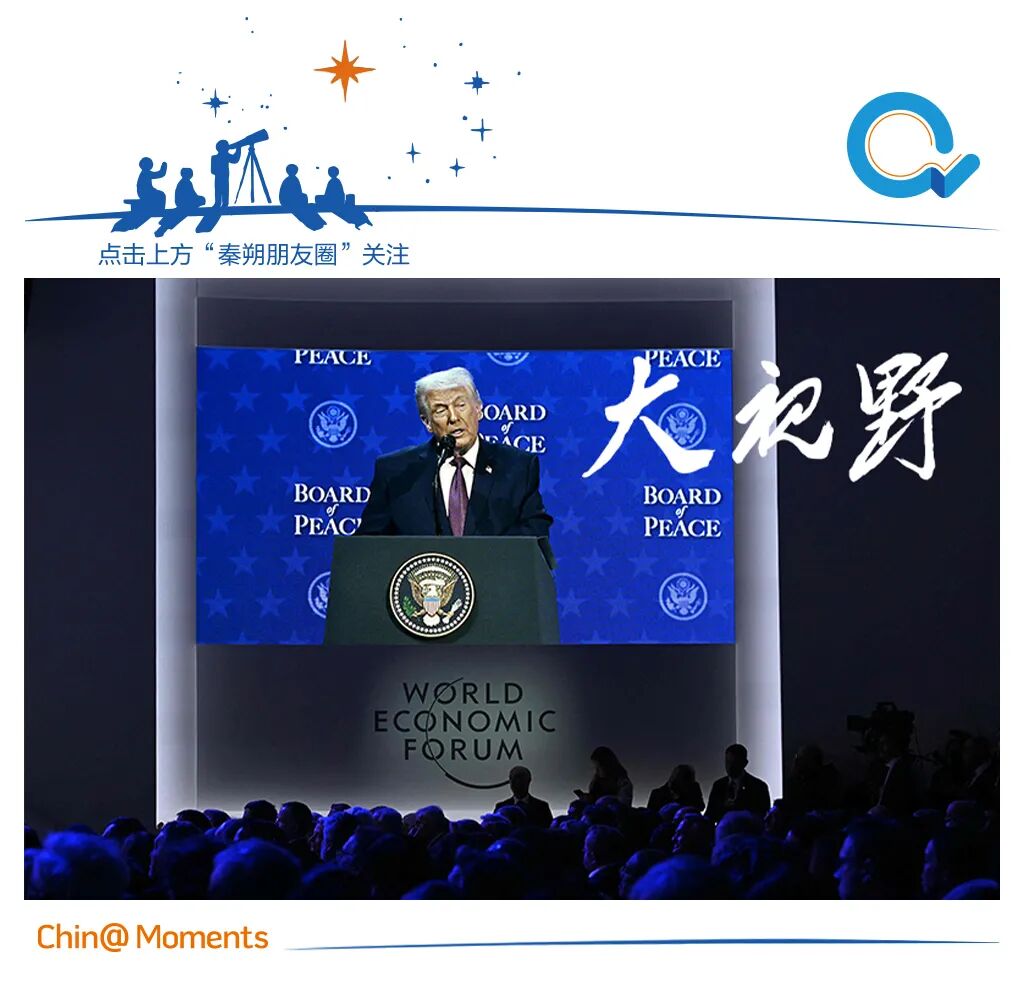
如何应对“特朗普式征服”?|| 大视野
Xin Lang Cai Jing· 2026-01-25 23:28
Group 1 - The core point of the news is the dramatic shift in President Trump's stance on Greenland, where he initially did not rule out the use of force but later stated he would not use military action to acquire the territory [3][4]. - The potential agreement between the U.S. and Denmark may involve the U.S. gaining military access rights and possibly priority rights over mineral resources in Greenland, similar to the UK's military bases in Cyprus [3][4]. - Trump's announcement at the World Economic Forum in Davos indicates a strategic pivot towards military and economic interests in Greenland and the Arctic region, reflecting a broader trend of U.S. assertiveness in global geopolitics [4][6]. Group 2 - The ongoing geopolitical dynamics suggest a shift from a rules-based international order to one defined by power and military might, as highlighted by the comments from global leaders at the World Economic Forum [6][16]. - The rise of nationalism and the decline of multilateralism are leading to increased tensions and potential conflicts between nations, as countries prioritize their own strategic interests [16][20]. - The financial markets reacted positively to Trump's softened rhetoric, indicating a temporary alleviation of fears regarding U.S.-Europe trade tensions [6][12]. Group 3 - The U.S. is undergoing a strategic adjustment, moving from a globalist approach to a hemispheric focus, emphasizing "America First" principles and a cost-benefit analysis in foreign policy [10][15]. - The potential for increased military spending and territorial ambitions reflects a broader trend of the U.S. asserting its influence in regions it considers vital to its national security [12][15]. - The implications of this shift could lead to a more fragmented global order, where power dynamics dictate international relations rather than established rules [16][20]. Group 4 - The situation in Greenland is emblematic of a larger trend where the U.S. is willing to exert its influence in strategic areas, potentially at the expense of traditional allies [10][21]. - The evolving U.S.-China relationship under Trump's administration suggests a more pragmatic approach, focusing on mutual benefits rather than ideological confrontations [20][21]. - China's response to the changing global landscape involves emphasizing rules and cooperation while building its own strength to navigate the complexities of international relations [22][24].
“国际板”能否尽快在A股启航?
Hu Xiu· 2025-09-07 23:34
Group 1 - The core theme of the article highlights the transition from real estate to the stock market in China's economic development during the "14th Five-Year Plan" period [1][3] - The Chinese real estate market peaked in 2021 and has been declining since then [2] - Cities are undergoing difficult transformations from relying on land development to focusing on industrial growth, contrasting with the improving conditions in the stock market [3][4] Group 2 - The future direction of the stock market during the "15th Five-Year Plan" includes enhancing the multi-tiered capital market system, improving the quality of listed companies, and expanding the legal framework to combat illegal activities [5] - There is a push to support high-quality foreign companies returning to the A-share market, a topic that has been discussed since 2007 [6][10] - The article emphasizes the need for more international quality assets to be listed on the A-share market to enhance investment options and support the development of foreign enterprises in China [11][16] Group 3 - Data shows that as of July 2023, private companies make up 63% of listed companies in China, indicating a robust presence of private enterprises in the market [20] - Foreign enterprises in China have made significant contributions, accounting for nearly 7% of employment and about one-third of imports and exports [21][22] - The article notes that the representation of foreign companies in the A-share market is currently limited, with only a few companies like Supor and Industrial Fulian being controlled by foreign entities [23] Group 4 - Successful foreign companies in China emphasize localization, with local talent and decision-making being crucial for growth [24] - Examples of successful foreign companies include Adidas, which has seen growth due to local product development, and Yum China, which has expanded its store count significantly since its separation from Yum Brands [26][30] - The article suggests that if the international board is launched in the A-share market, it could motivate foreign companies to reform their governance structures and enhance their operations in China [34]