全球碎片化

Search documents
未知机构:昨夜美国市场上演股债汇三杀一幕经典的避险场景却带着全然不同的底色-20260121
未知机构· 2026-01-21 02:00
Summary of Key Points from the Conference Call Industry Overview - The current market dynamics are influenced by a shift from inflation and central bank policies to fiscal and credit concerns, particularly highlighted by the recent performance of U.S. and Japanese bonds [1][2][4]. Core Insights and Arguments - Japan's 40-year government bond yield has surpassed 4%, marking the first time in over 30 years, which has significant implications for global financial markets [2][3]. - The combination of high government debt and high interest rates in major developed economies, including the U.S. and Japan, is creating a precarious situation for fiscal sustainability [4]. - The market is increasingly worried about the astronomical interest payments on government debt, leading to three potential outcomes: fiscal tightening, continued large-scale borrowing, or central banks resorting to debt monetization [4][5]. - The recent sell-off in long-term U.S. Treasuries reflects a loss of confidence, as institutional investors like the Danish pension fund have opted to liquidate their holdings [6][8][9]. - The systemic rise in risk-free rates is negatively impacting the valuation models of all risk assets, leading to a broader market correction [11]. Additional Important Content - Gold prices have surged to historical highs, driven not by traditional inflation concerns but by fears regarding sovereign credit and the weakening of the dollar, indicating a shift towards "de-dollarization" [12][13]. - The current market environment is characterized by a transition to a new era, driven by debt cycles, geopolitical tensions, and a restructuring of monetary order [14][15]. - The exit of Japan from its Yield Curve Control (YCC) policy and subsequent interest rate hikes signal a reduction in the motivation for Japanese investors to hold foreign bonds, particularly U.S. Treasuries, potentially leading to a capital outflow and further imbalance in the global bond market [17]. - The correlation between asset classes is changing, with both stocks and bonds experiencing declines, and the sources of risk are shifting from economic cycles to political decisions [18]. - Investors are advised to reassess what constitutes a "safe asset," as long-term government bonds may become a source of volatility rather than stability, emphasizing the need for assets with strong cash flow and real repayment attributes [18].
2025年终报道③ | G20限制性贸易额16年来首超便利化贸易额,全球供应链“碎了”
Sou Hu Cai Jing· 2025-12-23 14:19
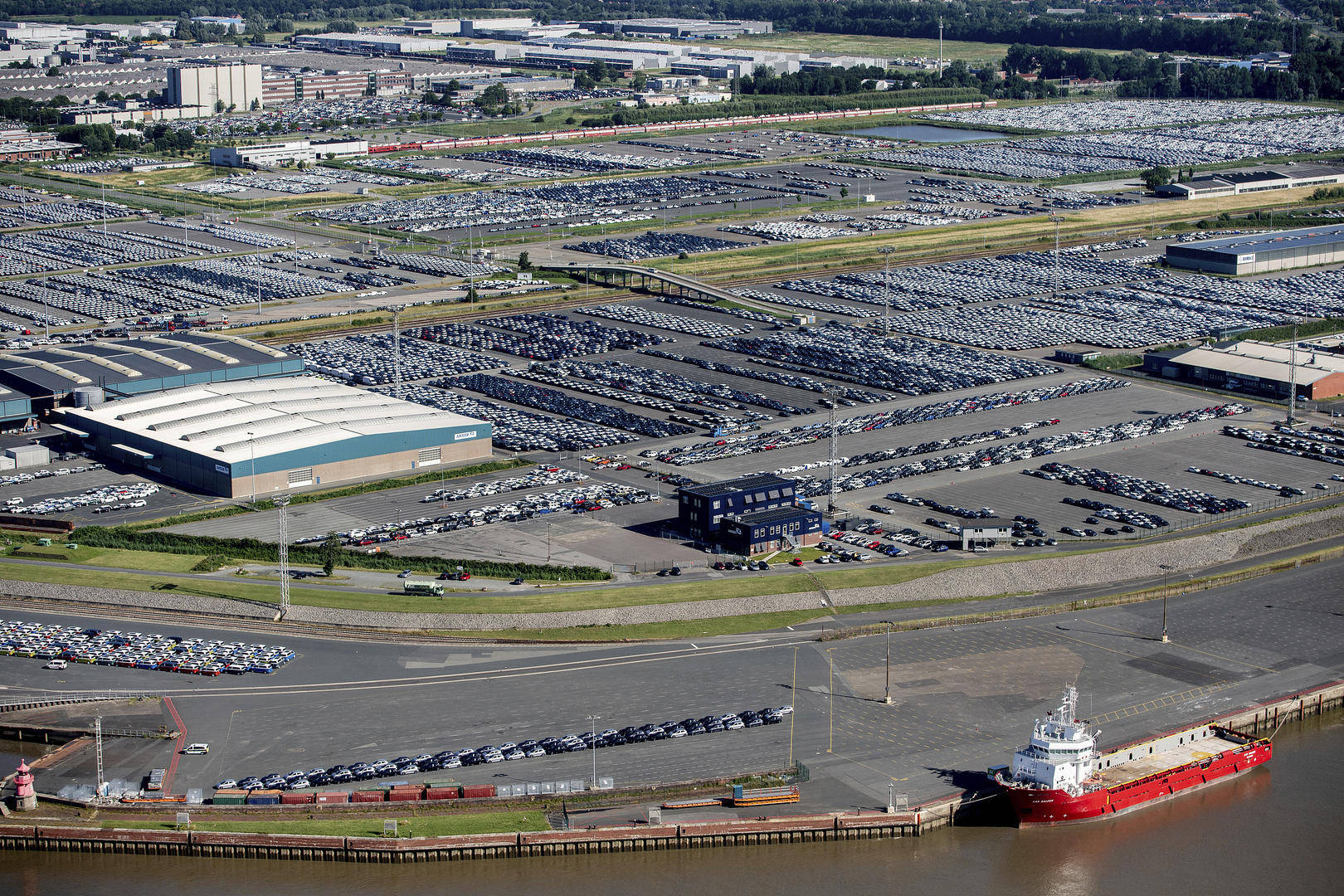
Group 1 - The Trump 2.0 era is creating significant challenges for companies in the global trade chain, with the U.S. imposing a 10% uniform tariff on all imports starting April 5, disrupting decades of trade liberalization [1] - The German logistics giant Hapag-Lloyd reported growth in transport volume driven by strong customer demand, but faced a highly volatile market environment due to geopolitical developments and trade policy uncertainties [1] - The International Longshore and Warehouse Union (ILWU) condemned the recent tariff policies, stating they harm American workers and key economic sectors while benefiting the wealthy [3] Group 2 - Companies in manufacturing, logistics, and warehousing are facing unprecedented policy uncertainty, prompting them to consider supplier diversification and inventory management to mitigate risks [5] - The uncertainty stems from frequent adjustments to tariff policies, which are implemented through executive orders rather than traditional legislative processes, making long-term decision-making challenging for businesses [5] - The U.S. government's monitoring of transshipment activities through low-tariff countries like Malaysia, Vietnam, and Mexico indicates a broader impact on regional supply chains, extending risks beyond direct exports to the U.S. [6] Group 3 - The WTO's monitoring report indicates a systemic rise in restrictive trade measures among G20 countries, with 185 restrictive measures covering $2.9 trillion in trade, surpassing trade facilitation measures for the first time [10] - The increase in protectionist policies reflects a significant structural change in trade policy direction, indicating a shift towards regional trade agreements and a decline in the role of the WTO [8][10] - The fragmentation of global trade is evident, with rising compliance costs and complex documentation requirements, as companies navigate a more intricate trade system [11]