全球秩序多极化

Search documents
王涵:日本大选后,日元日债稳住了吗
Di Yi Cai Jing· 2026-02-11 04:39
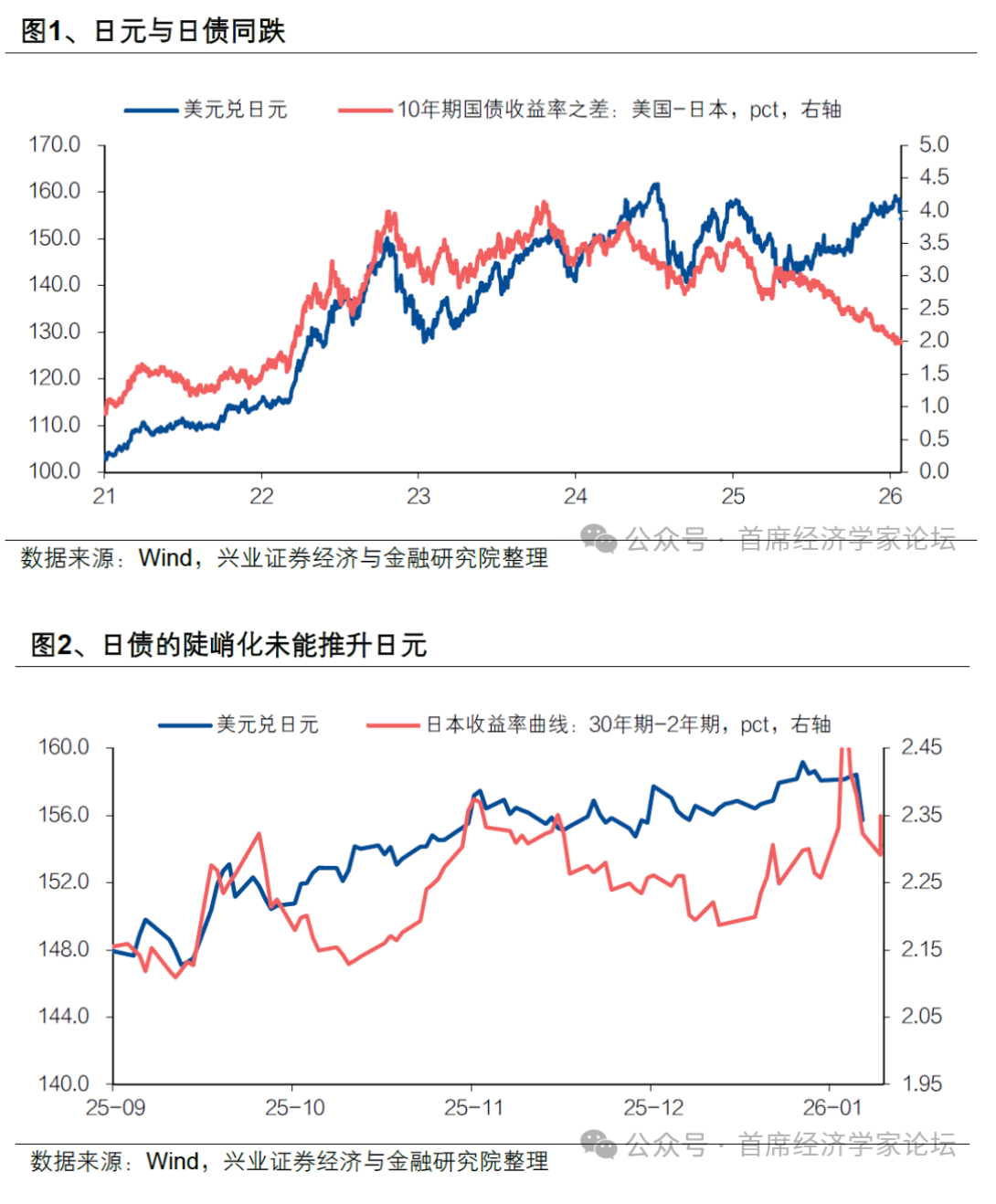
Group 1 - The global order is transitioning from unipolarity to multipolarity, fundamentally reshaping the pricing logic of global asset classes, with Japan's asset volatility reflecting this change [1] - Japan's capital market has experienced significant fluctuations since the beginning of the year, with both the yen and Japanese government bonds weakening, indicating a diminished safe-haven status [1] - The structural changes in the yen and Japanese bonds cannot be solely attributed to short-term economic fluctuations but should be understood within the broader narrative of global order evolution [1] Group 2 - Japan's geopolitical position has evolved through two phases: during the Cold War, it served as a critical support for the U.S. in Asia, and in the unipolar order post-Soviet Union, its role shifted to a financial one [6][7] - In the unipolar order, Japan enjoyed a dual benefit of a low-risk environment and stable capital returns, which underpinned the perception of the yen and Japanese bonds as safe-haven assets [7] - The transition to a multipolar order is altering this logic, as the U.S. strategic retrenchment reduces the demand for Japan as a leverage tool in capital expansion [12] Group 3 - The U.S. strategic retrenchment is pushing Japan to the geopolitical forefront, potentially destabilizing the regional security environment established since the signing of the Japan-China Peace and Friendship Treaty [15] - Although Japanese government interventions can temporarily stabilize market sentiment, the underlying fundamentals of the yen and Japanese bonds remain fragile due to the changing geopolitical role [15] - The trend of "de-securitization" of Japanese assets is a specific reflection of the multipolar narrative in the global financial landscape, with long-term implications for asset pricing logic [16]

兴证王涵 | 日本大选结果对金融市场的潜在影响
王涵论宏观· 2026-02-09 05:10
Core Viewpoint - The article discusses the structural changes in Japan's asset market, particularly the yen and Japanese government bonds, in the context of the global shift from a unipolar to a multipolar order, which is reshaping the pricing logic of global assets [2][4][25]. Group 1: Japan's Geopolitical Role - Japan's geopolitical position has evolved through two main phases: during the Cold War, it served as a critical support for the U.S. in Asia, and in the post-Cold War unipolar order, its value shifted to the financial domain [12][21]. - In the Cold War, Japan acted as a supply base for U.S. military activities and showcased Western capitalist values, while in the unipolar era, it became a capital-rich nation that provided a stable low-interest environment for U.S. capital [12][14]. Group 2: Impact of Global Order Changes - The transition to a multipolar world has diminished the U.S.'s reliance on Japan as a financial lever, as the U.S. faces a decline in hard power and a slowdown in foreign asset expansion [21][24]. - Japan's role is being pushed to the forefront of geopolitical competition, increasing its associated risks and undermining its status as a safe asset [3][21]. Group 3: Market Reactions and Future Outlook - Despite short-term government interventions stabilizing market sentiment, the underlying fundamentals of the yen and Japanese bonds remain fragile due to geopolitical shifts [4][24]. - The ongoing dissolution of the unipolar order and the rise of multipolarity will continue to influence global financial markets, leading to a trend of "de-securitization" of Japanese assets [25][26].

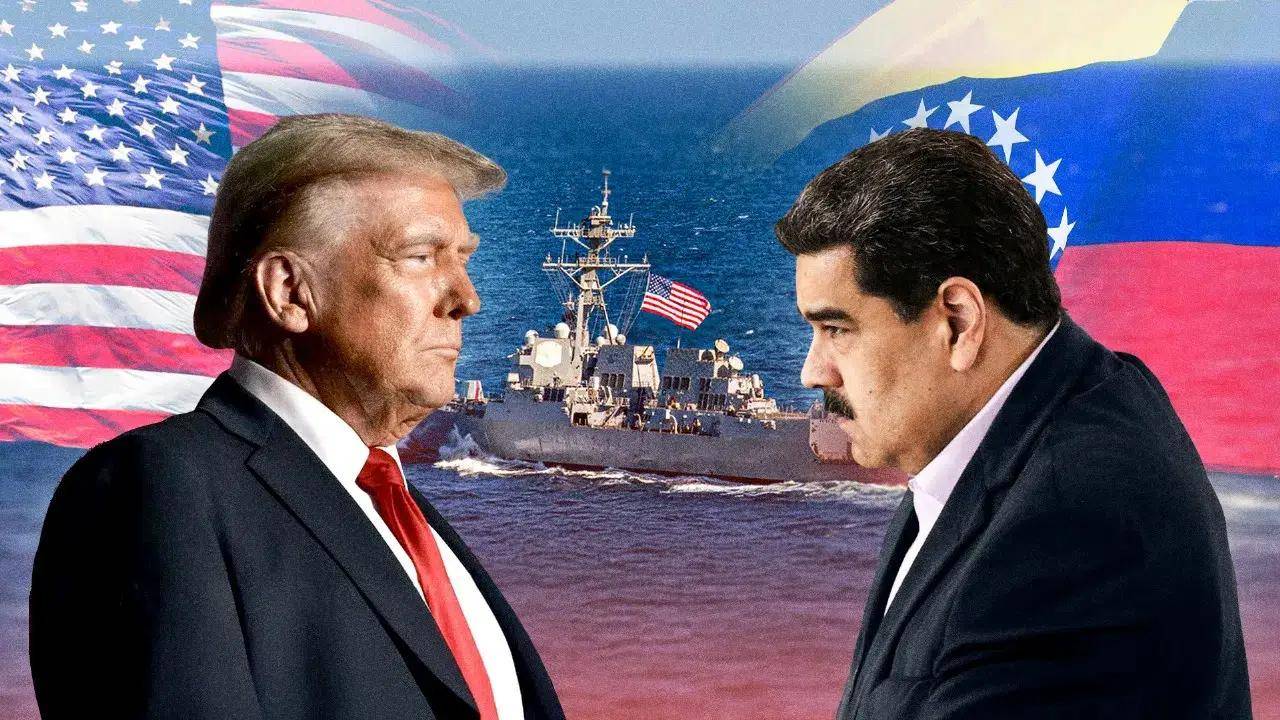
美国彻底拦不住了!委内瑞拉的能源战车,今天正式挂上了“出口挡”!
Sou Hu Cai Jing· 2026-01-19 22:15
Core Viewpoint - Venezuela has officially launched its liquefied petroleum gas (LPG) exports, signaling a significant challenge to U.S. sanctions and showcasing the country's enhanced industrial capacity despite ongoing military and economic pressures from the U.S. [1][5] Group 1: Energy Export Initiatives - Venezuela's interim president, Rodriguez, announced the signing of contracts for LPG commercialization, marking the start of exports amid U.S. military interceptions of Venezuelan oil tankers [1][2] - In early January, 16 oil tankers attempted to breach U.S. blockades, with 4 successfully escaping, indicating vulnerabilities in the U.S. enforcement of sanctions [2] Group 2: Industrial Capacity and Production - Venezuela's oil production is projected to reach 500,000 barrels per day by the end of 2025, with LPG production capacity also increasing, demonstrating the country's ability to enhance industrial output despite sanctions [3] - The involvement of Chinese companies in the Maracaibo Lake oil field project, with an investment of $1 billion aimed at achieving a daily output of 60,000 barrels, highlights a comprehensive production and transportation chain that grants Venezuela energy autonomy [3] Group 3: Financial and Strategic Innovations - The establishment of a renminbi settlement system allows Venezuela to bypass U.S. dollar restrictions, significantly undermining the effectiveness of U.S. financial sanctions [3] - The U.S. military presence in the Caribbean has escalated, with approximately 10,000 troops and various naval assets deployed, indicating a heightened state of military readiness [3] Group 4: Domestic and International Responses - President Maduro has mobilized citizens to join militia organizations and initiated the "Independence 200 Plan" to protect critical infrastructure, creating a comprehensive defense strategy against U.S. actions [4] - Venezuela's energy breakthroughs are seen as a pivotal moment in the shift towards a multipolar global order, as countries like China, Russia, and Iran strengthen their energy cooperation with Venezuela [5] Group 5: Implications for U.S. Energy Companies - U.S. sanctions have paradoxically led to increased energy independence for Venezuela, with the operational success of the "Arula" self-elevating platform under sanctions demonstrating a technological resilience that diminishes the sanctions' intended impact [5] - Major U.S. energy companies, such as Chevron, face significant risks as comprehensive sanctions could render their investments in Venezuela worthless, given the country's critical heavy crude oil resources [5] Group 6: Legal and Diplomatic Maneuvers - Venezuela is actively utilizing international legal channels to counter U.S. actions, including complaints to the UN Security Council regarding U.S. maritime blockades, which could damage U.S. international standing [6] - Domestic opposition in the U.S. is emerging against the blockade, with some lawmakers questioning the legality and morality of the military actions taken against Venezuela [6]