全球贸易体系重塑

Search documents
US to Lower Swiss Tariffs to 15% in Breakthrough Deal
Youtube· 2025-11-14 15:54
Group 1 - The article discusses the trade deficit with Switzerland, primarily attributed to pharmaceuticals and gold, with a projected investment of $200 billion from Switzerland, starting with $70 billion next year [1] - It is expected that Switzerland will implement a tariff rate similar to the EU's 50% rate, indicating a significant shift in the global trade system that is perceived as beneficial for America [2] - The article highlights the importance of Southeast Asia and South America in supplying commodities like coffee, cocoa, and bananas, aligning with the president's trade strategy [3]


欧盟投降,欧美达成协定,冯德莱恩给美国送1.35万亿,中国危险了
Sou Hu Cai Jing· 2025-09-14 13:00
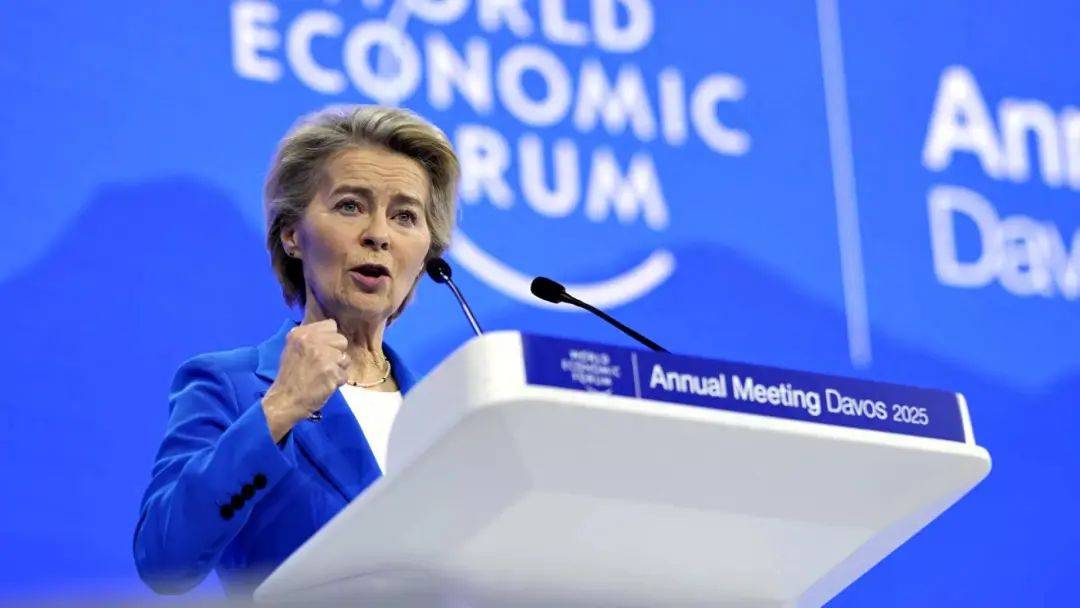
Core Viewpoint - The article discusses the recent trade agreement between the EU and the US, highlighting the implications for global trade dynamics, particularly concerning China and the potential shift away from the WTO framework [1][3][5]. Group 1: Trade Agreement Details - The EU and the US reached a trade agreement where the US will impose a 15% tariff on EU goods, while the EU commits to investing $600 billion in the US and purchasing $750 billion in energy products [3][5]. - Ursula von der Leyen, the President of the European Commission, indicated that the 15% tariff was the best outcome achievable for Europe [3][5]. Group 2: Implications for Global Trade - The agreement signifies a shift towards a "might makes right" approach in global trade, potentially undermining the WTO's authority and allowing the US to set unilateral trade policies [5][7]. - The alignment of major economies like the EU, Japan, and Southeast Asian countries with US trade policies could lead to a reconfiguration of global supply chains and technology systems, posing risks for China [7][9]. Group 3: Economic Impact and Future Outlook - The article suggests that while the trade agreements may reduce trade deficits and benefit the military-industrial complex and energy sectors in the US, they may not significantly boost high-end manufacturing jobs [9][11]. - The long-term sustainability of these trade agreements is questioned, as they may not effectively address the underlying issues of trade deficits and the dollar's role in global trade [11].
新关税框架显现:全球贸易体系重塑,将如何影响我国?
Sou Hu Cai Jing· 2025-08-16 11:13
Core Viewpoint - The article discusses the recent adjustments to the U.S. tariff system affecting 69 countries, highlighting the implications for global trade dynamics and the specific impacts on countries like China and India [1][10]. Tariff Adjustments - The U.S. has implemented a tiered tariff system based on trade deficits, with countries either facing a 10%, 15%, or higher tariff depending on their trade agreements with the U.S. [3][4]. - Countries like the UK face a 10% tariff, while those without agreements, such as India and Syria, face tariffs as high as 50% and 41% respectively [1][4]. Economic Impact - The U.S. has seen a significant increase in tariff revenue, with June 2023 revenues reaching $27.2 billion, contributing to a budget surplus [10]. - The overall trade deficit for the U.S. has decreased by 16%, with the trade gap with China narrowing significantly [10]. Trade Relations and Compliance - The introduction of a 40% penalty tariff on goods transshipped through third countries poses challenges for Chinese manufacturers relying on Southeast Asia for assembly [11][13]. - The definition of transshipped goods may not align with WTO standards, potentially increasing compliance costs for Chinese companies [14][15]. Structural Changes in Manufacturing - The new tariff regime is expected to force a restructuring of supply chains, particularly affecting small and medium-sized enterprises in China that depend on the U.S. market [13][17]. - The article suggests that this situation may accelerate China's transition towards a consumption-driven economy [18][20].