全球金融货币秩序重构

Search documents
付鹏:从稳定币、比特币看全球金融货币秩序的剧变与重构!【付鹏说1】
Hua Er Jie Jian Wen· 2025-08-29 09:56
Core Viewpoint - The article discusses the profound changes and reconstruction of the global financial currency order, emphasizing the interplay between traditional financial systems, cryptocurrencies like Bitcoin, and the rise of stablecoins in the context of shifting political ideologies and technological advancements [5][7][18]. Group 1: Financial System Analysis - The current global financial currency system is undergoing significant transformation, influenced by the interplay between the Federal Reserve's independence and political interventions from the White House [5][7]. - The traditional financial framework, established post-World War II, is experiencing a shift from a decentralized model to a more centralized approach, reflecting a return to nationalist ideologies [11][12]. - The role of stablecoins is becoming increasingly prominent as they provide a mechanism for the U.S. Treasury to exert influence over monetary policy without direct control over currency issuance [12][14]. Group 2: Cryptocurrency and Asset Dynamics - Bitcoin's volatility has been decreasing, bringing it closer to the stability of gold, which positions it as a potential reserve asset within the new financial order [15][9]. - The article posits that Bitcoin's value is increasingly tied to the artificial intelligence sector, suggesting a new paradigm where digital assets are linked to technological advancements [15][9]. - Stablecoins, such as USDT, are highlighted as tools for global financial integration, with over 90% of their users located outside the U.S., indicating their role in cross-border transactions [17][18]. Group 3: Ideological Shifts and Global Implications - The ideological shift from left to right in global politics is impacting financial policies, with a resurgence of nationalism influencing economic strategies [11][18]. - The article warns that if countries adopt nationalist policies, it could lead to increased global tensions and competition, particularly in the financial sector [18]. - The reconstruction of the global order is not limited to finance but extends to trade and international relations, reflecting a broader trend of geopolitical realignment [13][18].


美元稳定币:科技精英与传统秩序之间的一次博弈
申万宏源研究· 2025-06-30 01:22
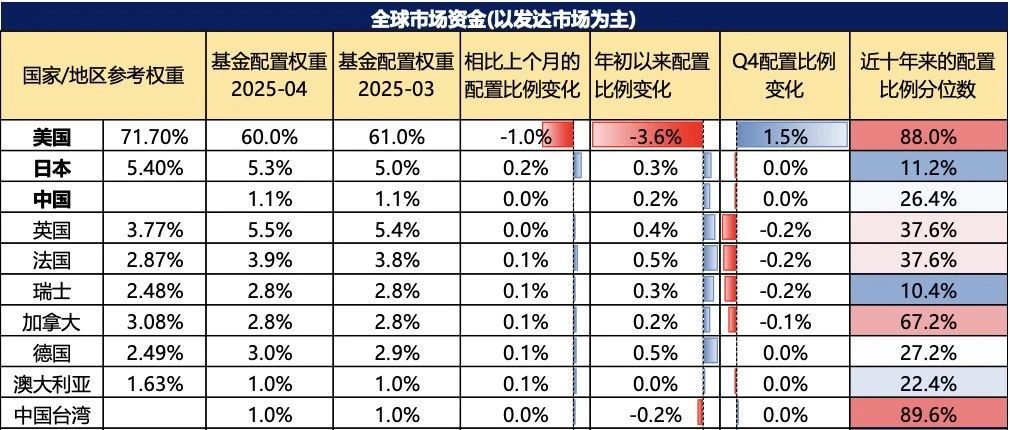
Core Viewpoint - The article discusses the restructuring of the global financial and monetary order, emphasizing the challenges faced by the US dollar and the implications for asset allocation strategies in the coming years [1]. Group 1: Dollar and Monetary Policy - The article highlights the "Triffin Dilemma" faced by the US dollar, exacerbated by fluctuating tariff policies under Trump, indicating a mid-term rebalancing pressure on dollar assets [1]. - The introduction of dollar stablecoins represents a dual effort by the US government to both centralize emerging cryptocurrencies and tacitly accept the decentralization of traditional dollars [3][5]. - Despite the emergence of dollar stablecoins, the article warns that they may not provide the expected stability, suggesting a continued strategic outlook on decentralized digital currencies like Bitcoin and diversified stablecoins [6]. Group 2: Renminbi Internationalization - The article identifies key areas for the internationalization of the Renminbi, including trade settlement, currency swap liquidity, offshore bond financing, and the development of offshore financial markets, particularly in Hong Kong [8]. - It notes that Hong Kong's position as the largest offshore Renminbi market is crucial for providing high-quality Renminbi-denominated assets, enhancing its strategic importance [8]. - The current level of Renminbi internationalization is deemed to have significant room for improvement, especially when compared to China's GDP and trade volume on a global scale [9]. Group 3: Asset Allocation Strategy - The article recommends focusing on non-dollar assets, gold, and Bitcoin as alternative asset revaluation opportunities, particularly during periods of dollar depreciation [10]. - For tactical asset allocation over the next 3-6 months, it suggests a standard allocation to equities, underweighting oil and US Treasuries, while overweighting gold; and for the next 6-12 months, it anticipates potential trend opportunities in global equities and risk assets like copper [10]. - It also points out that the allocation of funds in Chinese, Japanese, and European stock markets remains low, indicating significant potential for growth, while US stock market allocations are at high levels and may decrease [10].