关键矿产供应链联盟

Search documents
想脱钩?砸钱再多也没用,稀土加工被中国卡死,十年都追不上!
Sou Hu Cai Jing· 2026-02-27 04:15
Group 1 - The U.S. aims to reduce dependence on Chinese rare earths by establishing a supply chain alliance and a strategic reserve plan totaling $12 billion [1][3] - The supply chain alliance seeks to create a unified pricing mechanism for critical minerals, directly targeting China's dominance in the sector [3][4] - The strategic reserve plan, known as the "Treasury Plan," involves significant investments to procure rare earths from countries like Canada, Australia, and Pakistan [6] Group 2 - The effectiveness of the supply chain alliance is questioned due to potential Chinese countermeasures, such as restricting exports or undercutting prices [4][6] - The U.S. imports approximately 10,000 tons of rare earth magnets annually from China, with European imports exceeding 25,000 tons, indicating a growing reliance on Chinese processing capabilities [6] - Despite efforts to increase mineral development and reserves, the U.S. and its allies may struggle to reduce dependence on China due to its established dominance in refining and processing [6][8] Group 3 - The initiatives may serve short-term political purposes, aimed at strengthening the U.S. negotiating position against China, rather than achieving long-term independence from Chinese technology [8]

美欧日组建关键矿产供应链联盟,外交部:反对任何国家以“小圈子”规则破坏国际经贸秩序
第一财经· 2026-02-05 14:54
Core Viewpoint - The article discusses the establishment of a strategic partnership between the United States, the European Union, and Japan aimed at enhancing the resilience of critical mineral supply chains, thereby improving economic and national security [2][4]. Group 1: Strategic Partnership and Cooperation - The U.S. Trade Representative (USTR) announced that the U.S., EU, and Japan are taking significant steps to enhance the resilience of critical mineral supply chains [2]. - A memorandum of understanding is set to be signed within 30 days to identify cooperation areas, stimulate demand, and diversify supply chains [6][7]. - The partnership aims to prevent supply chain disruptions and promote research and development innovation [6][7]. Group 2: International Relations and Trade Agreements - The EU has proposed this cooperation, coinciding with the resumption of the U.S.-EU trade agreement approval process after previous tensions [4][12]. - The European Parliament is expected to vote on the trade agreement in the upcoming committee meeting on February 24 [15]. - The article highlights the complexity of U.S.-EU relations, emphasizing that despite trade frictions, both parties remain allied under NATO [13][17]. Group 3: Economic Initiatives and Plans - The U.S. has announced a $12 billion mineral reserve plan for domestic manufacturers during crises [11]. - A separate critical mineral action plan between the U.S. and Mexico will prioritize financing for specific mining and processing projects [10]. - The U.S. Department of Defense has signed a $12.5 million agreement to purchase 400 tons of indium for defense reserves [11].
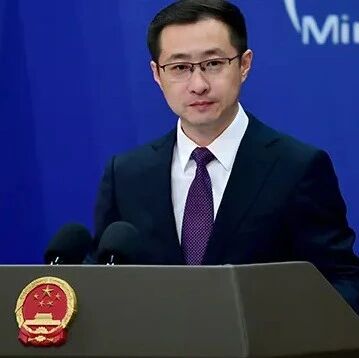
美欧日组建关键矿产供应链联盟,外交部:反对任何国家以“小圈子”规则破坏国际经贸秩序
Di Yi Cai Jing· 2026-02-05 11:25
Core Viewpoint - The establishment of a strategic partnership among the US, EU, and Japan aims to enhance the resilience of critical mineral supply chains, which is essential for economic and national security [1][5]. Group 1: Strategic Partnership and Cooperation - The US, EU, and Japan are taking significant steps to strengthen the resilience of critical mineral supply chains, with a commitment to accelerate cooperation and establish mutually beneficial partnerships [1][5]. - A memorandum of understanding is set to be signed within 30 days to enhance the security of critical mineral supply chains, identifying cooperation areas and stimulating demand through diversified supply [5][6]. Group 2: International Trade Environment - The Chinese government emphasizes the importance of maintaining an open, inclusive, and equitable international trade environment, urging all parties to contribute constructively to the stability and security of global critical mineral supply chains [1][4]. - There is a strong opposition to any country attempting to disrupt international economic and trade order through "small circle" rules [2]. Group 3: Trade Agreements and Relations - The EU has restarted the approval process for the US-EU trade agreement, which had been frozen due to previous tensions related to Greenland and tariffs [8][9]. - The European Parliament is expected to vote on the trade agreement in the upcoming committee meeting on February 24 [8]. Group 4: Economic Measures and Initiatives - The US has announced a $12 billion mineral reserve plan for domestic manufacturers during crises and signed a $125 million agreement for defense reserves [7]. - The US and Mexico are implementing a similar action plan to develop preferential trade through price floors for specific mining and processing projects [7].