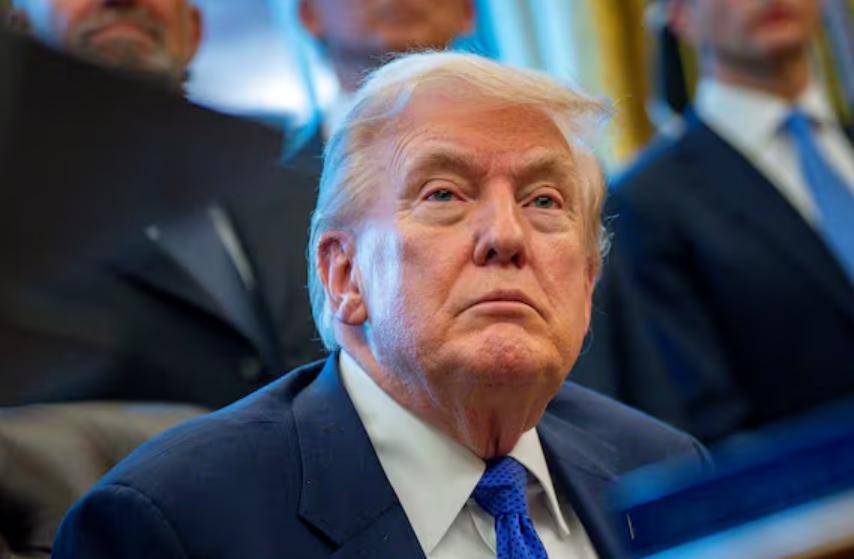
金库计划

Search documents
全景扫描:美国经济、政策与战略动态
GOLDEN SUN SECURITIES· 2026-03-11 14:05
Economic Insights - The U.S. economy is showing resilience, but internal momentum is weakening, with GDP growth expected to slow to 2.2% in 2025, primarily due to government shutdown impacts[2] - AI-related investments are becoming a significant growth pillar, contributing over 1 percentage point to GDP growth in Q1, Q2, and Q4 of 2025, with contributions of 1.29%, 1.17%, 0.55%, and 1.16% respectively[2] - The labor market is experiencing a fragile stabilization, with non-farm payrolls showing volatility and overall conditions still trending downward[5] Inflation Dynamics - Inflation remains sticky, with core inflation driven by non-housing services being a key variable; the super core CPI remains strong[5] - Energy inflation, influenced by geopolitical factors, could see a 10% rise in oil prices pushing energy CPI up by approximately 2.4%, contributing about 0.15 percentage points to overall CPI[6] Monetary and Fiscal Policy - The Federal Reserve is adopting a cautious stance, with potential policy shifts expected post-chairman transition in May; current effective federal funds rate may be below the nominal neutral rate[7] - Fiscal policy is expected to provide strong support to GDP growth in Q1 2026, contributing approximately 2 percentage points, but this support is projected to decline in subsequent quarters[8] Government Strategy - The Trump administration is refocusing its strategy, emphasizing domestic political mobilization and a "New Monroe Doctrine" in foreign policy, prioritizing the Western Hemisphere[9] - The administration's military strategy aims to avoid prolonged conflicts, favoring limited military actions to achieve strategic objectives[10] - Trade policy remains uncertain, with recent court rulings affecting tariff implementations, yet the administration continues to explore new tariff measures as negotiation tools[11]
想脱钩?砸钱再多也没用,稀土加工被中国卡死,十年都追不上!
Sou Hu Cai Jing· 2026-02-27 04:15
Group 1 - The U.S. aims to reduce dependence on Chinese rare earths by establishing a supply chain alliance and a strategic reserve plan totaling $12 billion [1][3] - The supply chain alliance seeks to create a unified pricing mechanism for critical minerals, directly targeting China's dominance in the sector [3][4] - The strategic reserve plan, known as the "Treasury Plan," involves significant investments to procure rare earths from countries like Canada, Australia, and Pakistan [6] Group 2 - The effectiveness of the supply chain alliance is questioned due to potential Chinese countermeasures, such as restricting exports or undercutting prices [4][6] - The U.S. imports approximately 10,000 tons of rare earth magnets annually from China, with European imports exceeding 25,000 tons, indicating a growing reliance on Chinese processing capabilities [6] - Despite efforts to increase mineral development and reserves, the U.S. and its allies may struggle to reduce dependence on China due to its established dominance in refining and processing [6][8] Group 3 - The initiatives may serve short-term political purposes, aimed at strengthening the U.S. negotiating position against China, rather than achieving long-term independence from Chinese technology [8]

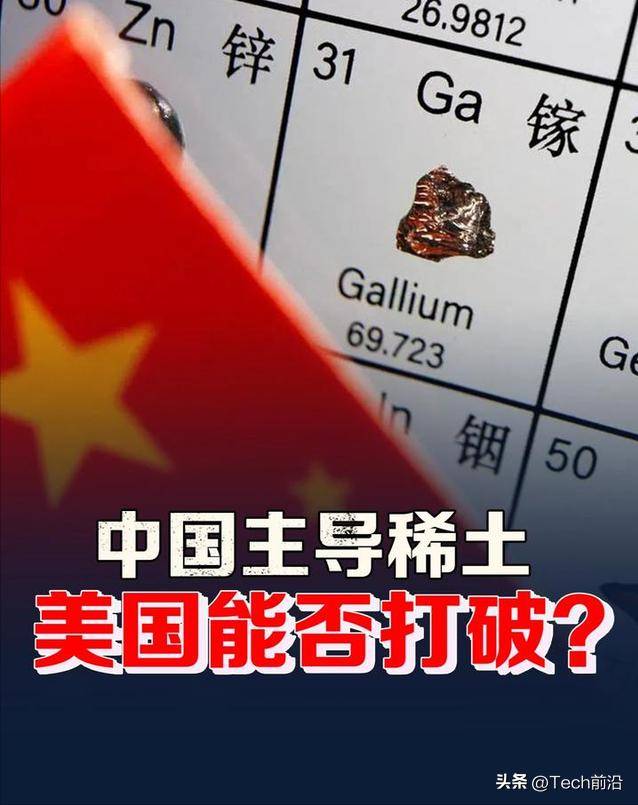
特朗普下令启动“金库计划”,就靠这个对中国反败为胜?
Sou Hu Cai Jing· 2026-02-06 09:26
Core Viewpoint - The "Treasury Plan" initiated by Trump aims to establish a strategic defense for the U.S. against potential global conflicts, particularly reducing dependence on Chinese rare earths and other critical metals, with a total scale of $12 billion [1][3]. Group 1: Plan Overview - The plan combines private capital and bank loans to procure and store rare earth minerals, ensuring the U.S. does not rely on China in emergencies [3]. - The core objective is to maintain a 60-day reserve of critical minerals to sustain manufacturing during extreme situations, allowing U.S. companies to continue production despite global supply chain disruptions [3][8]. Group 2: Strategic Implications - The plan reflects a significant shift in U.S. strategy towards China, moving beyond tariffs to building resource-based defenses, indicating a more serious and long-term approach to U.S.-China relations [9]. - The U.S. government has been actively seeking alternative sources for rare earths since China tightened export controls, collaborating with countries like Australia, Japan, and Malaysia to establish an independent supply chain [4]. Group 3: Risks and Challenges - Participating companies in the plan must bear price risks and procurement responsibilities, potentially leading to a "price gamble" where they are locked into purchasing at fixed prices regardless of market fluctuations [6]. - The complexity of the rare earth supply chain means that even with reserves, the U.S. may still rely on China for processing, as it lacks sufficient domestic capabilities to refine these materials [8]. - The establishment of a complete domestic separation system for rare earths could take 5 to 10 years, raising concerns about the U.S. manufacturing sector's vulnerability during this transition [8].