
铟

Search documents
价短期回调,不改长期短缺格局
Jianghai Securities· 2026-03-23 07:13
Investment Rating - The industry investment rating is maintained at "Overweight" [1] Core Insights - The report highlights a structural long-term shortage of indium due to supply constraints and increasing demand from emerging sectors such as photovoltaic technology and AI-driven communication [4][6][7] - The supply of indium is heavily reliant on the by-products of zinc and tin smelting, leading to a near-zero supply elasticity [4] - The demand for indium is expected to surge, particularly from the photovoltaic heterojunction (HJT) technology and AI communication sectors, which are projected to outpace global supply [6][7] Supply Side Summary - Indium supply is constrained by the lack of independent economic deposits and is primarily sourced from the recovery of by-products from zinc and tin [4] - China's dominance in global indium resources is challenged by environmental regulations and the slow expansion of zinc mining capacity, resulting in a structural decline in primary indium production [4] - Recent policies have led to a significant reduction in tradable inventories, with current levels only sufficient for about one month of consumption [4] Demand Side Summary - Traditional demand from display panels remains stable, while explosive growth is anticipated from new technologies [5][6] - The HJT technology is expected to significantly increase indium consumption, potentially surpassing global annual supply [6] - The AI revolution is driving demand for indium phosphide (InP) in high-speed communication, with major companies already facing long-term order backlogs [6] Investment Recommendations - The report suggests that the recent decline in indium prices is a technical correction following a period of continuous increase [7] - Long-term price trends are expected to rise due to the dual demand drivers of HJT technology and AI communication [7] - Companies with stable resource access and advanced purification technologies, such as Tin Industry Co., Huaxi Nonferrous Metals, and others, are recommended for investment [7]
铟供需分析与展望
2026-03-13 04:46
Summary of Indium Supply and Demand Analysis Industry Overview - The report focuses on the indium market, highlighting its supply and demand dynamics, pricing trends, and industry structure [2][4]. Key Points Pricing Trends - Indium prices have shown a stepwise increase since 2023, with projections to reach around 5,000 CNY/kg by the end of 2025, driven by precious metal trends and speculative investments [2][3]. - Historical price movements indicate a rise from approximately 1,500 CNY/kg in 2023 to around 4,800 CNY/kg currently, with peaks exceeding 5,000 CNY/kg [3]. Supply Dynamics - Indium supply is heavily reliant on lead-zinc by-products, with a native to recycled indium ratio of approximately 1:1. Total production is expected to reach about 1,900 tons by 2025, stabilizing around 2,000 tons before 2030 due to mining grade and smelting capacity limitations [2][4]. - Major producers include Guangdong Xian Dao and Wuhu Ying Ri, which hold an 80% market share due to scale and low-cost inventory [2][4][9]. Demand Structure - The demand for indium is concentrated, with 80% used in ITO target materials for LCD displays. The sensitivity of this sector to price increases is significant, as a doubling of indium prices can halve the profit margins of panel manufacturers [2][5]. - Emerging sectors like phosphide indium are growing rapidly, with an expected annual growth rate exceeding 30%, while HJT solar cells currently consume less than 5% of indium [2][5]. Market Inventory and Structure - A structural shift in market inventory has occurred, with 500-1,000 tons transitioning from factories to investors and traders. This shift could lead to supply shortages if new demand from sectors like photovoltaics materializes [2][6][10]. - The overall market is currently in a state of relative balance, with total consumption around 1,800 tons against a production of 1,900-2,000 tons, although speculative trading has disrupted this balance [6][7]. Competitive Landscape - The ITO target material industry is dominated by established players, while new entrants are generally unprofitable. The procurement model is shifting from annual contracts to quarterly agreements due to price volatility [9][10]. Future Outlook - Market participants have mixed views on future price movements. Traders are generally bullish, while panel manufacturers express caution due to insufficient demand to support high prices [7][10]. - If new applications in space photovoltaics emerge without viable substitutes, a competitive scramble for indium resources is likely [11]. Recycling and Raw Material Sources - The recycling of indium from ITO targets is becoming more prevalent, with the recovery process involving collaboration between panel manufacturers and processing plants [15][16]. - The supply of native indium is stable, primarily sourced from zinc and tin ores, with no independent indium mines identified [4][7]. Conclusion - The indium market is characterized by a complex interplay of supply constraints, demand sensitivity, and speculative trading. Future trends will depend on the balance between emerging technologies and traditional applications, as well as the industry's ability to adapt to price fluctuations and inventory shifts [12][13][14].
主题策略周报 20260308:外乱内稳,周期趋势加强-20260308
Orient Securities· 2026-03-08 15:26
Group 1 - The core viewpoint indicates that external disturbances lead to internal stability, and the overall market will continue to experience fluctuations, with a strengthened performance in mid-cap blue-chip stocks and a focus on resource sovereignty [7][10]. - The assessment of the domestic market's impact is manageable, and the oscillating situation remains unchanged, as the recent Middle Eastern events serve as a short-term stress test without altering the mid-term market dynamics [11][12]. - Global risk evaluation is on the rise, reinforcing existing trends, while short-term risk appetite is expected to decline but will likely recover in the mid-term as uncertainties resolve [11][12]. Group 2 - In terms of industry comparison, the short-term events are believed to have a limited negative impact on previously favored sectors, instead reinforcing existing trends, with continued optimism for cyclical sectors such as non-ferrous metals, chemicals, transportation, agriculture, coal, and natural gas [12]. - The theme of investment prioritizes resource sovereignty, emphasizing that strategic resource assets are being re-evaluated under the new geopolitical order, shifting demand from traditional economic cycles to "manufacturing upgrades" and "strategic security" [3][12]. - The technology manufacturing sector is closely following developments in AI and space, with a focus on domestic computing power advancements and the emerging space industry, which is expected to see significant growth due to increased satellite networking demands [4][13][14].
铟专家交流20260303
2026-03-04 14:17
Summary of Indium Industry Conference Call Industry Overview - China dominates global indium supply, accounting for over 90% of production and more than 70% of reserves [2][3] - Domestic refined indium production is expected to reach approximately 2,000 tons in 2025, with a projected growth of 10%-15% to 2,200 tons in 2026 [2][14] Key Points and Arguments - **Core Applications**: ITO (Indium Tin Oxide) targets are the primary downstream application, representing over 70% of demand, with more than 80% of global production concentrated in China [2][6] - **Semiconductor Demand**: Although the demand for indium in semiconductors (specifically indium phosphide) is growing at a rate of 20%-50%, the annual consumption is only 10-20 tons, which has a limited impact on overall supply and demand [2][7] - **Market Dynamics**: Indium prices surged past 5 million CNY/ton due to speculative factors, with limited acceptance from downstream users at this price level [2][12] - **Inventory Structure**: Current industry inventory includes approximately 400 tons at factories, 300-400 tons at downstream target manufacturers, and over 1,000 tons at Xianlead (formerly Pan-Asia), much of which is used for collateral [2][19] - **Price Transmission**: The ability to transmit prices downstream will be crucial, particularly with long-term contracts expected to be signed in Q2 2026 [2][13] Additional Important Insights - **Supply Chain Characteristics**: Indium is primarily sourced as a byproduct of lead-zinc smelting, with limited independent mining sources available [3][4] - **Production Capacity**: Domestic indium production capacity has been relatively stable, with estimates of around 3,000-3,100 tons by 2025 [5][14] - **Downstream Consumption**: The largest consumer of indium is the ITO target market, followed by the semiconductor sector, which accounts for about 15%-20% of total consumption [6][10] - **Future Demand Growth**: Potential growth areas for indium demand include advancements in display technologies and the photovoltaic sector, particularly with HJT (Heterojunction Technology) solar cells [17][18] - **Export Policies**: Indium is not restricted for export in China, unlike gallium, which has significant implications for global supply dynamics [9][12] Conclusion The indium market is characterized by a strong domestic supply chain in China, with significant reliance on ITO applications. While semiconductor demand is growing, it remains a small fraction of total consumption. Price dynamics are heavily influenced by speculative trading, and future growth will depend on technological advancements and market acceptance of higher prices.
0226调研日报
2026-03-01 17:23
Summary of Key Points from Conference Call Records Industry and Company Overview - **Tin Industry**: Global tin supply is expected to experience a slight contraction due to tightening policies in Southeast Asian tin-producing countries and limited potential in emerging regions, which may not fully offset the decline in traditional production areas [1] - **Indium Resources**: The company possesses rich indium resource reserves, with the largest primary indium production base globally, holding 4,821 tons of indium metal reserves as of December 31, 2024 [3] - **TV Panel Industry**: The TV panel prices are projected to continue rising in March 2026, driven by strong demand from sports events and seasonal repairs, with manufacturers maintaining a "production as needed" strategy [4] - **Aviation Industry**: The company is actively involved in supporting domestic large aircraft projects, indicating a clear basis for profit improvement and growth potential [8] Core Insights and Arguments - **Tin Supply Dynamics**: The tin supply issue is primarily driven by resource and policy factors, with a forecasted slight reduction in global tin production [1] - **Indium Market Impact**: The anticipated rise in indium market prices is expected to positively influence the company's performance, given its significant production of indium [3] - **TV Panel Price Trends**: The overall TV panel prices are expected to maintain an upward trend, with a high production rate anticipated in March 2026 [4][6] - **AMOLED Production**: The company’s 8.6-generation AMOLED production line is set to enter mass production in the second half of 2026, enhancing its competitiveness in the display industry [5] Additional Important Information - **Processing Fees**: Although tin smelting processing fees have seen a slight increase since 2026, they remain at a relatively low level compared to current tin metal prices and industry average recovery rates [2] - **Depreciation and Capital Expenditure**: The company expects depreciation and capital expenditures to reach their peak in 2025, with a significant decline anticipated starting in 2027 [6] - **AI Factory Implementation**: The company has established multiple AI factories, enhancing production efficiency across various operational areas [7] - **Aircraft Component Development**: The company is deeply involved in the development of tooling and components for domestic aircraft, with ongoing testing and delivery of prototypes [9]



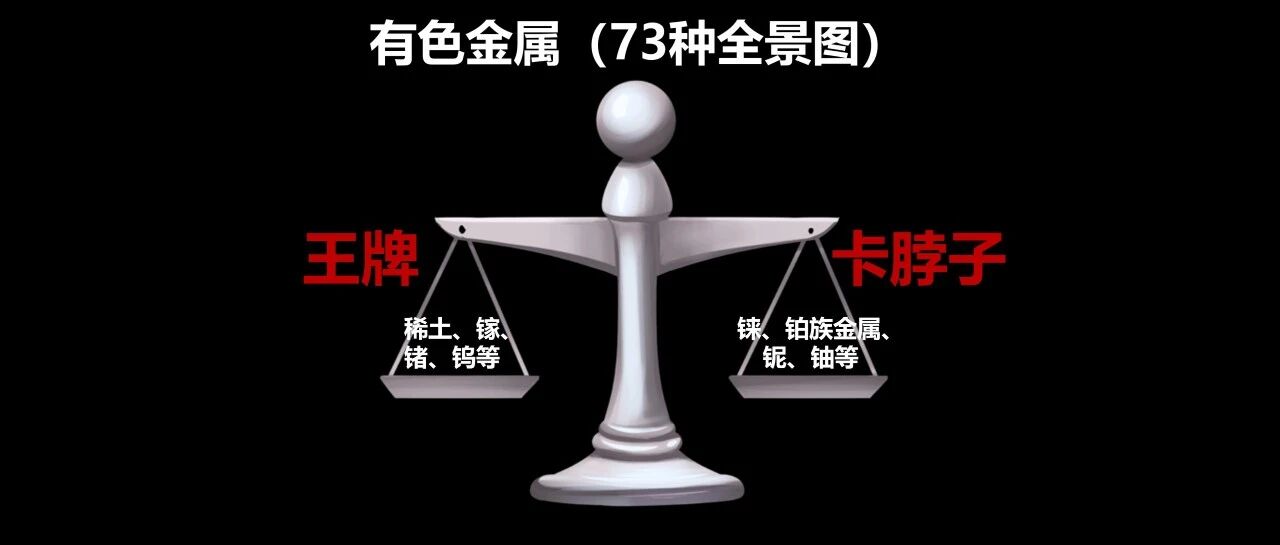
冰与火!中国有色金属的王牌VS卡脖子(部分高度依赖进口):73种有色金属全景图、战略价值与未来机遇梳理
材料汇· 2026-03-01 15:46
Core Viewpoint - The article emphasizes the strategic importance of non-ferrous metals in modern industry, highlighting their role in various sectors such as new energy vehicles, aerospace, and semiconductor manufacturing, and outlines the complete value chain of these metals in supporting China's manufacturing upgrades and technological advancements [3][15]. Summary by Sections 1. Definition and Value of Non-Ferrous Metals - Non-ferrous metals are defined as all metals excluding iron, manganese, and chromium, categorized into five main types based on their industrial applications and properties [5]. - The article proposes a redefinition of these metals using industry labels to better reflect their core value and relevance in modern manufacturing [4]. 2. Types of Non-Ferrous Metals - **Light Metals**: Includes aluminum and magnesium, crucial for lightweight applications in manufacturing, with aluminum projected to reach over 40 million tons in China by 2025, accounting for over 60% of global production [7]. - **Heavy Metals**: Comprises copper, nickel, and cobalt, essential for electrical applications and the backbone of the economy, with copper demand in the new energy sector expected to exceed 25% by 2025 [8]. - **Precious Metals**: Includes gold and silver, recognized as hard currencies and vital for high-end manufacturing, with central banks expected to increase gold reserves by over 1,200 tons in 2025 [9]. - **Rare Metals**: This category includes lithium and rare earth elements, which are critical for high-end manufacturing and military applications, with China holding nearly 50% of global rare earth reserves [10][12]. - **Metalloids**: Such as silicon, which is foundational for the semiconductor and photovoltaic industries, with over 95% of semiconductor chips based on silicon [13]. 3. Role in New Energy and Semiconductor Industries - Non-ferrous metals are identified as essential for the new energy revolution, with lithium, cobalt, and nickel being key materials for batteries, and demand for lithium expected to grow by 25% by 2025 due to the surge in electric vehicle sales [17][19]. - In the semiconductor sector, metals like gallium and germanium are crucial for chip manufacturing, with China controlling over 90% of global gallium and germanium production [27]. 4. Strategic Importance in Aerospace and Military - Non-ferrous metals define the performance limits of aerospace and military equipment, with titanium alloys being essential for aircraft and high-temperature alloys being critical for jet engines [29][30]. - Rare earth elements are vital for military applications, with China dominating the supply of these materials [30]. 5. Economic and Financial Security - Non-ferrous metals are fundamental to national economic stability, with copper being a key material in the electrical system, and gold serving as a hedge against geopolitical risks [34][32]. - The article highlights the importance of uranium and thorium for nuclear energy, which is crucial for achieving carbon neutrality goals [34]. 6. Global Competitive Landscape - China holds significant advantages in the non-ferrous metals sector, including leading positions in rare earths and critical materials for semiconductors, but faces challenges in high-end processing technologies and resource dependencies [36][44]. - The article identifies both strengths, such as the complete supply chain for rare earths, and weaknesses, including high import dependencies for certain critical metals like platinum and cobalt [37][44].

华锡有色:未来资本开支聚焦锡、锑、铟特色金属全产业链
Zheng Quan Ri Bao Wang· 2026-02-27 13:12
Core Viewpoint - The company, Huaxi Nonferrous (600301), outlines its future capital expenditure plans focused on high-end, intelligent, and green development of the entire industrial chain for tin, antimony, and indium [1] Group 1: Future Capital Expenditure Focus - The company will concentrate on four key areas: resource security and capacity enhancement [1] - Strengthening, supplementing, and extending the industrial chain will be a priority [1] - Emphasis will be placed on technological innovation and technical breakthroughs [1] - Optimization of industrial layout and modern governance will also be a focus [1] Group 2: Implementation and Reporting - The company plans to implement its strategies in an orderly manner according to its development strategy and investment plans [1] - Specific investment progress and arrangements will be disclosed in regular reports and announcements [1]

华锡有色:公司持有并经营铜坑矿、高峰锡矿和佛子冲铅锌矿三座矿山
Zheng Quan Ri Bao Zhi Sheng· 2026-02-27 13:10
Core Viewpoint - The company, Huaxi Nonferrous, operates three mines: Tongkeng Mine, Gaofeng Tin Mine, and Fozichong Lead-Zinc Mine, with significant resource reserves and production capacities in various metals [1] Group 1: Mine Operations - Tongkeng Mine covers an area of 15.7786 square kilometers with a certified production capacity of 3.5 million tons per year, primarily containing tin, zinc, lead, antimony, and indium [1] - Gaofeng Tin Mine spans 2.1981 square kilometers with a certified production capacity of 330,000 tons per year, featuring a rare large-scale polymetallic tin deposit that meets industrial requirements for tin, zinc, lead, and antimony [1] - Fozichong Lead-Zinc Mine has an area of 13.2852 square kilometers and a certified production capacity of 450,000 tons per year, mainly containing zinc, lead, and copper [1] Group 2: Resource Reserves - As of the 2025 semi-annual report, the company holds a total of 4.4925 million tons of metal resources, including tin, antimony, indium, zinc, lead, silver, and copper [1] - The specific types of metals, resource quantities, and grade levels vary among the mines due to their inherent geological differences, with detailed data available in the company's regular annual and semi-annual reports [1]
改名即暴涨?18天14板,ST京蓝的故事太疯狂
Sou Hu Cai Jing· 2026-02-27 09:39
Group 1 - The company ST Jinglan is undergoing a significant transformation by changing its name to Indium Target New Materials, shifting from traditional soil remediation and high-standard farmland construction to high-end new materials [1] - Indium is a strategic rare metal that is essential for manufacturing mobile phone screens, AI optical modules, and photovoltaic cells, with domestic reserves being scarce [1] - The company plans to venture into the downstream production of high-end ITO targets, which are crucial for the electronics industry [2][3] Group 2 - Following its bankruptcy restructuring in 2023, the new controlling shareholder has committed to injecting Xinlian Technology, a leader in rare metal recycling, into the listed company [4] - Xinlian Technology specializes in the recovery and refining of indium-containing waste, ensuring a stable supply of the core raw materials needed for ITO target production [5] - The anticipated asset injection and the company's low stock price have led to a surge in speculation, positioning ST Jinglan as a prominent player in the market for rare metals and technology materials [5] Group 3 - Despite the stock price surge, the company's actual performance remains poor, with a projected loss exceeding 200 million by 2025 [6] - The ITO target project is still in its early stages, with no facilities constructed yet, leaving its profitability uncertain [6] - The stock price increase is driven by market speculation on future performance rather than current financial fundamentals, highlighting a disconnect between market expectations and actual earnings [6]

小金属板块领涨两市,东方锆业、厦门钨业等多股涨停
Huan Qiu Lao Hu Cai Jing· 2026-02-27 07:19
Group 1 - The small metals sector in A-shares continues to rise, with key subcategories such as tungsten, germanium, rare earths, and indium showing strong performance, as all 95 stocks in the sector increased in value [1] - The U.S. White House plans to use an AI model developed by the Department of Defense to establish reference prices for global critical mineral trade, initially covering germanium, gallium, antimony, and tungsten, signaling a potential restructuring of the global pricing system for critical minerals [1] - Supply constraints are a core driver of the recent strength in small metals, with major producing countries tightening resource controls, leading to a noticeable slowdown in the supply growth of tungsten, antimony, germanium, and gallium [1] Group 2 - The supply of tungsten remains tight, with black tungsten concentrate prices reaching a historical high of 777,500 yuan per ton, up 3.04% from the previous trading day, while indium and germanium also face limited supply due to concentrated global production [2] - The demand for small metals is experiencing rigid growth, driven by emerging industries such as new energy, semiconductors, artificial intelligence, and photovoltaic wind power, which further opens up upward price potential for small metals [2] - Multiple institutions have identified small metals as a key allocation direction for 2026, citing their cyclical elasticity and growth attributes, with strong profitability certainty amid economic recovery and industrial upgrades [2] Group 3 - According to Western Securities, the small metals sector is expected to encounter new opportunities by 2026 due to the rising demand from the AI industry, with strong resonance from supply-side policy constraints and demand-side recovery [3]
