
再分配提振消费

Search documents
盛松成:降准优于降息,货币政策宜采取“小步走”模式
Shang Hai Zheng Quan Bao· 2026-02-15 03:43
Core Viewpoint - The current economic environment is characterized by a transition period, with a stable economic foundation but challenges in domestic demand, real estate adjustments, and bank net interest margins. The focus is on leveraging economic potential through policy support and reform innovation [1]. Group 1: Monetary and Fiscal Policy Coordination - The preference for "reducing reserve requirements over lowering interest rates" is based on the current low net interest margins of commercial banks, which makes significant interest rate cuts less feasible. This approach aligns with China's macroeconomic governance, where fiscal policy plays a leading role and monetary policy acts in support [2][3]. - The "gradual reduction in reserve requirements and interest rates" approach is recommended due to high uncertainty, allowing for a more measured monetary policy implementation that considers market feedback [3]. - China's average reserve requirement ratio is approximately 6.3%, indicating significant room for reduction compared to Western countries, where reserve requirements have been largely eliminated [4]. Group 2: Real Estate Market Stability - Recent policies aimed at stabilizing the real estate market include adjustments to housing purchase restrictions and lowering housing fund loan interest rates, resulting in a narrowing decline in key real estate indicators such as sales and funding [6][7]. - The key to stabilizing expectations in the real estate market lies in improving liquidity and addressing employment and income expectations, which are critical for demand recovery [7]. Group 3: Investment in Human Capital - The shift from "investment in physical assets" to "investment in human capital" is emphasized, with a focus on enhancing public services in education, healthcare, and social security to drive economic growth [8][9]. - The government aims to increase fiscal spending on social welfare, which currently accounts for less than 10% of GDP, compared to 10-20% in developed countries, indicating room for growth [10]. Group 4: Consumption Activation - Short-term measures such as fiscal transfer payments (e.g., consumption vouchers) are deemed more urgent and effective for boosting consumer spending, especially for low-income groups [11][12]. - Long-term strategies should include tax reforms and targeted subsidies to stimulate demand in service sectors like elder care and childcare, which have significant growth potential [13][14][16].
盛松成:宏观调控精准施策 护航经济高质量发展
Shang Hai Zheng Quan Bao· 2026-02-14 00:09
Group 1 - The current economic operation is at a critical stage of transformation and upgrading, with a generally stable economic foundation and persistent resilience, but issues such as domestic demand stimulation and deep adjustments in the real estate market still need to be addressed [3][21] - The Central Economic Work Conference in December 2025 emphasized the need to fully tap economic potential, combining policy support with reform and innovation, and focusing on both investment in physical assets and human capital [3][21] - The coordination of fiscal and monetary policies is crucial, with a preference for reserve requirement cuts over interest rate reductions, as the latter is more suitable for the current national context [4][5][21] Group 2 - The "gradual reduction in reserve requirements and interest rates" approach is recommended due to high uncertainty, suggesting a "small steps" model for monetary policy [4][22] - The Chinese monetary policy framework differs fundamentally from Western countries, which primarily use interest rates for monetary control, as China's system still relies heavily on reserve requirements [5][23] - The People's Bank of China has begun to innovate structural monetary policy tools to enhance credit supply and demand, particularly in supporting small and medium-sized enterprises and key sectors [6][24] Group 3 - Recent measures to stabilize the real estate market include adjusting housing purchase restrictions and lowering housing provident fund loan rates, which have led to a narrowing decline in key real estate indicators [8][26] - The key to stabilizing expectations in the real estate market lies in improving liquidity and addressing employment and income expectations, which are critical for releasing policy effects [9][27] - Long-term reforms in land supply and fiscal structure are necessary to shift from a land-based development model to a more integrated approach that considers housing, land, and finance [9][27] Group 4 - The financial structure needs optimization, with a shift from indirect financing to direct financing to better support technological innovation and new production capabilities [10][28] - "Investment in people" focuses on directing more fiscal resources towards improving public services and human capital, which is essential for sustainable economic growth [10][29] - Key measures include implementing income increase plans for urban residents and increasing government spending on education, healthcare, and social services [11][30] Group 5 - Short-term fiscal transfer payments, such as consumption vouchers and targeted subsidies, are deemed more urgent and effective for boosting consumption in the current economic environment [13][31] - The government can stimulate demand in service sectors like childcare and elderly care through procurement and tax incentives, which will encourage investment in these areas [15][33] - The silver economy and childcare sectors present significant opportunities for consumption growth, with projections indicating substantial increases in their economic contributions by 2035 [16][36]

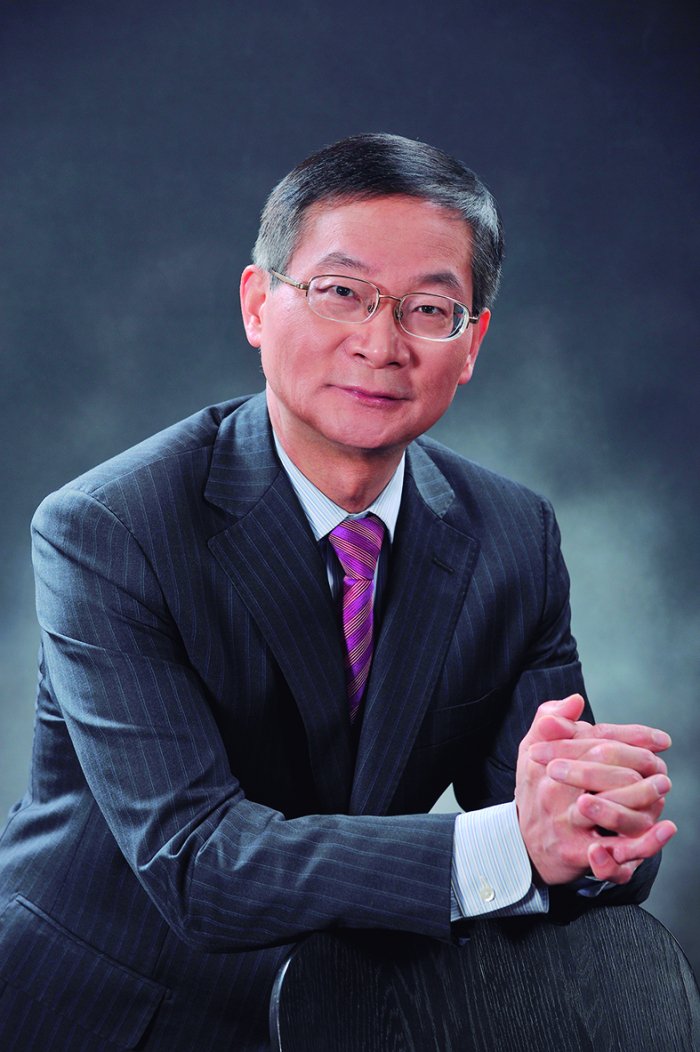
宏观调控精准施策 护航经济高质量发展——对话中欧国际工商学院经济学与金融学教授、中国首席经济学家论坛研究院院长盛松成
Shang Hai Zheng Quan Bao· 2026-02-13 17:04
Core Insights - The article discusses the importance of precise macroeconomic policies to support high-quality economic development during a critical transition period for the economy [2] - It emphasizes the need for effective coordination between fiscal and monetary policies to address current economic challenges, including boosting domestic demand and stabilizing the real estate market [2][5] Fiscal and Monetary Policy Coordination - The viewpoint that "reducing the reserve requirement is preferable to lowering interest rates" is highlighted, indicating that reducing reserve requirements aligns better with China's current economic conditions [3][4] - A "gradual reduction in reserve requirements and interest rates" is suggested to manage uncertainty, as monetary policy effects often have a time lag [3] - The article notes that China's financial institutions have a higher reserve requirement compared to Western countries, allowing for more room to reduce reserve requirements [4] Real Estate Market Stabilization - Recent policies aimed at stabilizing the real estate market include adjustments to housing purchase restrictions and lowering housing fund loan interest rates, which have led to a reduction in the decline of key real estate indicators [7][8] - The importance of improving liquidity in the real estate market is emphasized, as it is crucial for enhancing the effectiveness of existing policies [8] Investment in Human Capital - The article argues for a shift from "investment in physical assets" to "investment in human capital," focusing on improving public services such as education, healthcare, and social security to drive economic growth [9][11] - It highlights the need for fiscal spending to be redirected towards improving living standards and public services, with current spending on social welfare being below that of developed countries [12] Consumption Activation - The article suggests that enhancing consumption through fiscal transfer payments, such as subsidies and tax reforms, is essential for stimulating domestic demand [13][14] - It proposes specific measures to guide consumer demand towards service sectors like elder care and childcare, which have significant growth potential [15][18]
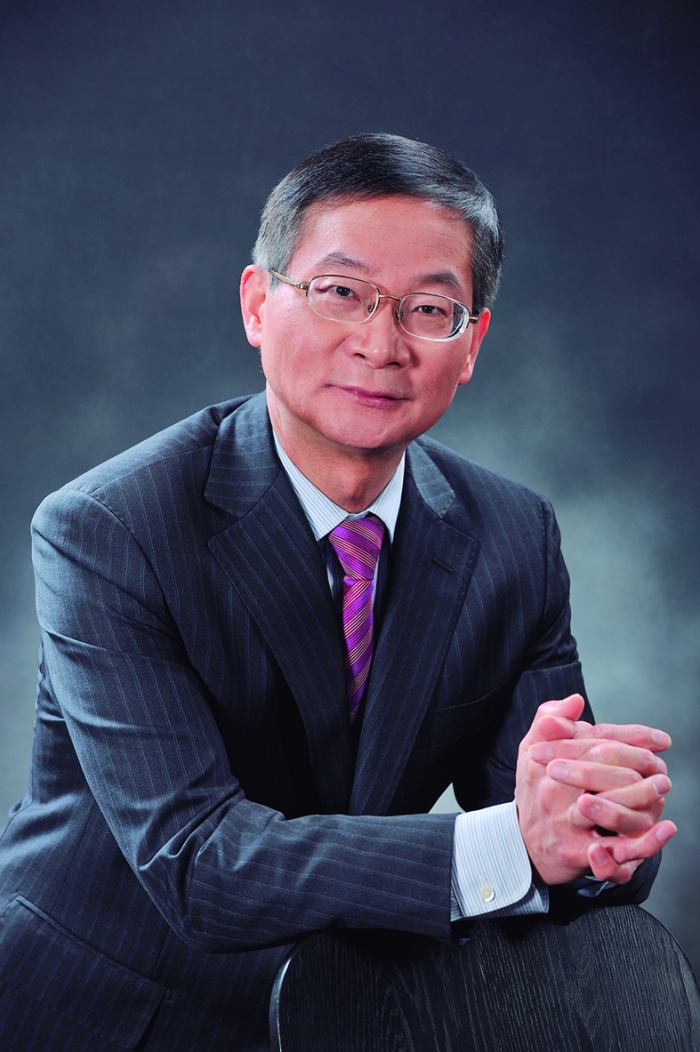
中国首席经济学家论坛研究院院长盛松成荣膺“2025年度十大意见领袖”
Xin Lang Cai Jing· 2026-02-11 08:57
Group 1 - The core viewpoint of the article highlights the steady improvement of China's economy in 2025, driven by new momentum and policy collaboration, supporting economic recovery and stability [1][2] - The selection of the "Top Ten Opinion Leaders of 2025" was conducted by Sina Finance in collaboration with the Chief Economist Forum and the New Economist Think Tank, evaluating candidates based on five dimensions: professionalism, influence, innovation, foresight, and activity [2] - The final results of the selection were determined through a voting process by the judging panel, which also considered output rates and internet presence [2] Group 2 - Sheng Songcheng, the Director of the Chief Economist Forum Research Institute and a professor at China Europe International Business School, was awarded the title of "Top Ten Opinion Leaders of 2025" [3] - Key insights from Sheng Songcheng include the need to balance consumption and investment for high-quality economic development [3] - Sheng also discussed how consumption can promote investment and create a virtuous cycle, as well as the role of redistribution in boosting consumption and promoting economic growth [3]