冒犯式营销

Search documents
视频惹众怒,知名品牌深夜致歉
盐财经· 2026-03-27 10:24
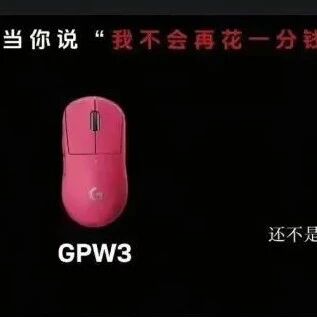
Core Viewpoint - Logitech faced backlash for an inappropriate promotional video for its GPW3 mouse, which was perceived as offensive and disrespectful to consumers [3][5][7]. Group 1: Incident Overview - The controversial video featured a caption that many found offensive, leading to widespread criticism from consumers [3][5]. - Logitech China issued an apology on March 26, expressing shock and regret over the video's content and acknowledging the disappointment and anger of consumers [7]. - The video was removed, and Logitech China stated that the inappropriate content was published by an employee of Shanghai Baishide Electronics Co., Ltd., which operates the official store on Douyin, bypassing the company's marketing material review process [8]. Group 2: Company Response - Shanghai Baishide Electronics Co., Ltd. also issued an apology, taking full responsibility for the incident and acknowledging the negative impact on consumers [11]. - The company committed to improving management and supervision practices, ensuring that such incidents do not occur again, and emphasized the importance of respecting consumers [11]. Group 3: Broader Context of Offensive Marketing - Logitech is not the first brand to face consumer outrage due to offensive marketing tactics, as similar incidents have occurred in the food and beverage industry [13]. - Examples include a restaurant using derogatory phrases on its menu and other brands facing backlash for offensive signage, highlighting the risks associated with "offensive marketing" strategies [14][16].


冒犯式营销:广告界的“流量渣女”为何屡教不改?
3 6 Ke· 2025-12-22 10:35
Core Viewpoint - The article discusses the rise of "toxic marketing" in the advertising industry, particularly targeting women, and questions whether such strategies are beneficial for brands or detrimental to their reputation [2] Group 1: Toxic Marketing Tactics - Tactic One: Using stereotypes to undermine women's value by portraying them as "inept" or "dependent" [3] - Tactic Two: Binding women's aesthetics to their life value, creating anxiety through a singular beauty standard [5] - Tactic Three: Using derogatory portrayals of women to generate controversy and attention [6] - Tactic Four: Objectifying women by reducing them to mere marketing tools, ignoring their individuality [9] Group 2: Reasons for the Proliferation of Toxic Ads - The repeated emergence of such ads is driven by short-term profit motives, low penalties for violations, and exploitable platform mechanisms [10] - Advertisers exploit the emotional response of anger, which leads to higher content sharing rates compared to positive emotions [10][11] - The ambiguity in legal definitions regarding gender discrimination allows companies to take risks with controversial ads [11] Group 3: Consequences of Toxic Marketing - The primary cost of toxic marketing is the long-term damage to brand reputation, as seen in the case of brands like 全棉时代 [12] - Women's awareness and activism against such marketing tactics are increasing, leading to a shift in consumer behavior [13] - The prevalence of offensive advertising is harming the overall health of the advertising industry, leading to a "race to the bottom" in creative quality [14] Group 4: Moving Towards Respectful Advertising - The advertising industry is urged to abandon toxic marketing strategies and embrace ethical practices that respect women as equal consumers [16] - Successful brands are beginning to shift their marketing strategies to reflect genuine respect for women, as evidenced by珀莱雅's campaign [16] - A healthy advertising ecosystem requires both industry accountability and consumer vigilance against offensive content [16] Group 5: Final Thoughts - The article emphasizes that advertising should focus on building value consensus rather than perpetuating gender conflict [17] - The ultimate goal is for advertising to recognize and celebrate women's independence and intelligence, fostering a win-win situation for brands and audiences [18]


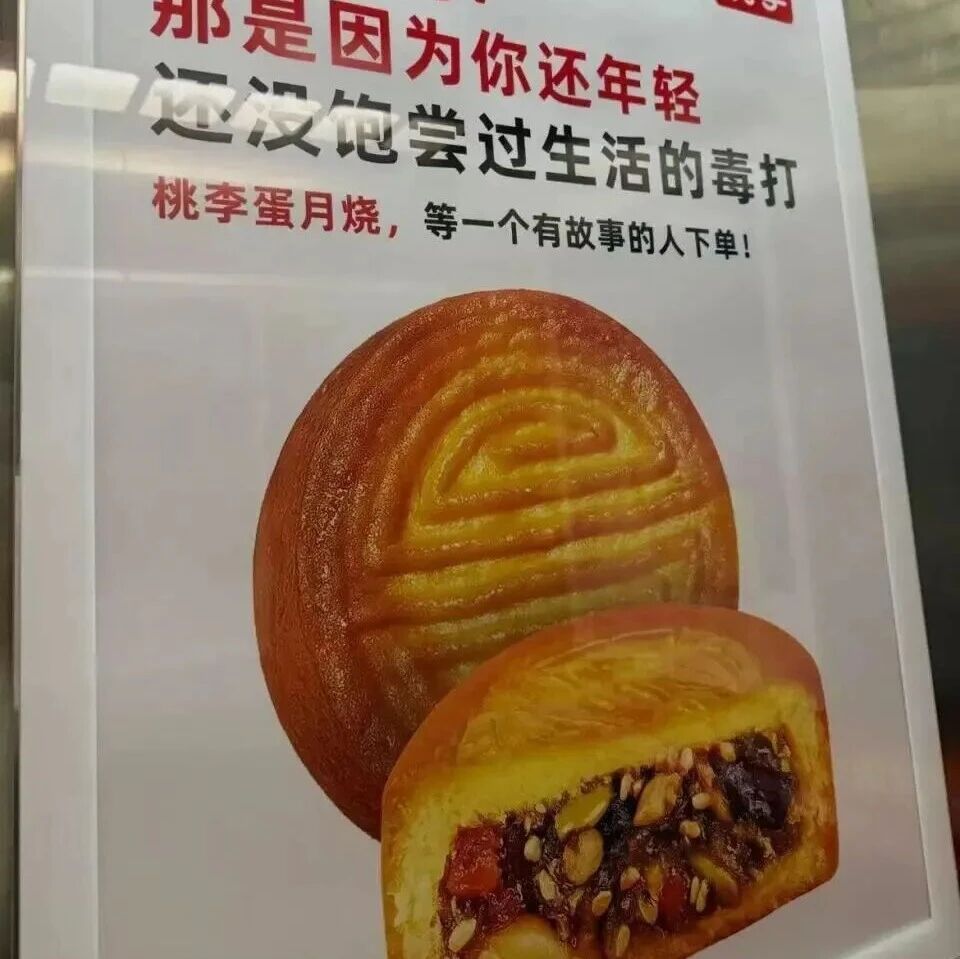
桃李面包为广告文案道歉,“冒犯式营销”该歇歇了
Mei Ri Shang Bao· 2025-09-08 01:28
Group 1 - The controversy surrounding the advertisement for "Peach Li Egg Mooncake" highlights the disconnect between the company's marketing approach and consumer sentiment, leading to public backlash [1][3] - Peach Li's recent financial report indicates a decline in both revenue and profit, with a revenue of 2.611 billion yuan, down 13.55% year-on-year, and a net profit of 204 million yuan, down 29.7% [3] - The company's marketing expenses have significantly increased, with advertising costs reaching 42.96 million yuan in the first half of 2025, a rise of over 40% compared to the same period in 2024 [4] Group 2 - There are concerns regarding the quality of Peach Li's products, as indicated by a recent food safety inspection that found non-compliance in one of its products, highlighting a potential disconnect between increased marketing spending and product quality [6] - The incident serves as a reminder for food brands that maintaining product quality is essential for long-term success, regardless of marketing efforts [6] - The company must balance its marketing strategies with a commitment to food safety and quality to regain consumer trust and favor [6]

桃李面包致歉!
券商中国· 2025-09-05 13:25
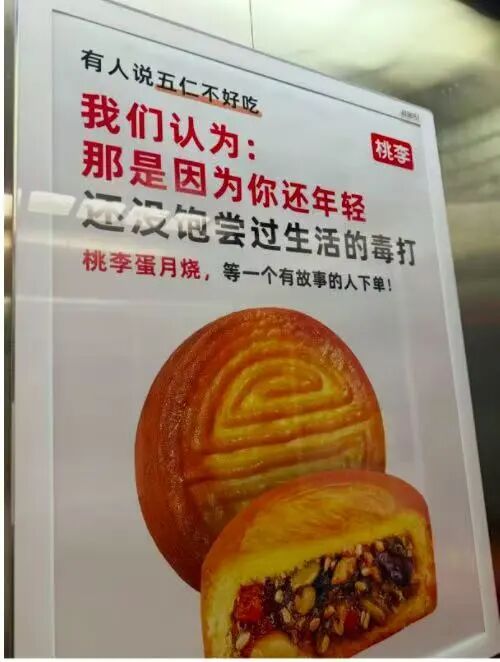
Core Viewpoint - The advertisement for "Peach and Li Mooncake" by Peach and Li Bakery has sparked controversy due to its provocative wording, leading to its removal shortly after launch [1][3]. Group 1: Advertisement Controversy - The advertisement claimed, "Some say five-nut is not tasty; we believe that is because you are still young and have not fully experienced life's hardships" [3]. - Some netizens criticized the ad for being preachy and lacking logical coherence, questioning whether it was meant to please or offend consumers [4]. - The company acknowledged the backlash, stating that this was their first attempt at an open internal co-creation mechanism, involving colleagues of various ages to create diverse content [4]. Group 2: Company Response and Future Actions - Following the controversy, the company expressed regret and committed to improving its review processes to balance creativity with careful oversight [4]. - As of September 5, the five-nut and red bean mooncake flavors were reported to be out of stock on the company's JD flagship store, indicating a potential impact on sales despite the controversy [5]. Group 3: Industry Context - The incident reflects a broader trend where multiple brands have faced backlash for "offensive marketing," highlighting the need for brands to respect consumer sentiments while pursuing engagement [6].