
写作

Search documents
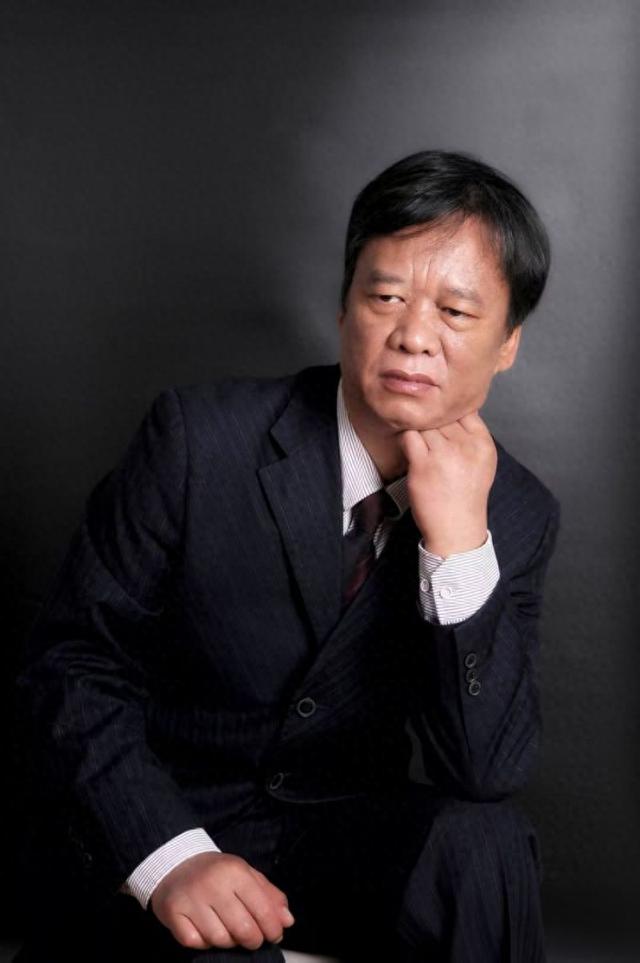
盲人作家李东辉专访:在黑暗中,看清责任 | 链筑无障碍
Xin Lang Cai Jing· 2026-02-20 10:22
Core Viewpoint - The article narrates the life journey of Li Donghui, who overcame significant personal challenges, including blindness, to become a writer and advocate for the visually impaired, emphasizing the importance of resilience and the transformative power of writing [3][10]. Group 1: Personal Journey - Li Donghui faced a life-threatening illness at the age of 23, which resulted in his blindness, altering his life trajectory significantly [3][4]. - After recovering from meningitis, the realization of his blindness led to a moment of despair, but a pivotal conversation with his mother inspired him to continue living [4][5]. - He describes his life philosophy as "having grievances but no regrets," acknowledging the struggles he faced while maintaining a commitment to his choices [5][9]. Group 2: Writing and Perspective - Despite his blindness, Li Donghui's writing is characterized by vivid imagery and emotional depth, drawing from his memories of sight and unique reading methods [5][6]. - He utilizes auditory reading techniques and technology to enhance his writing process, believing that true writing cannot be replaced by AI [7][8]. - His literary work reflects a broad understanding of the world, enriched by his past experiences and the memories of visual details [6][7]. Group 3: Advocacy and Social Responsibility - As a vice-chairman of the Hebei Blind Association and a member of the local political advisory body, Li Donghui actively contributes to improving the lives of disabled individuals through various initiatives [8][9]. - He emphasizes the importance of self-esteem and self-reliance for disabled individuals, advocating for both societal support and personal empowerment [8][9]. - His long-term commitment to helping others includes running a hotline for psychological support, highlighting the reciprocal nature of giving and receiving [9][10].

AI时代,为啥还要写作?想起马斯克那个原则:聚焦信号,而非噪音
Sou Hu Cai Jing· 2026-02-08 02:24
Core Insights - The transition from the internet age to the AI era has led to an overwhelming influx of information, where individuals become the consumed rather than the consumers [1] - Knowledge has become cheap, and true understanding, or insight, is more valuable than mere knowledge [1] - Writing serves as a means to organize chaotic thoughts and combat entropy, allowing for deeper understanding and creativity [3][8] Group 1 - The principle of focusing on signals rather than noise is emphasized, suggesting that companies should prioritize product and service quality over marketing gimmicks [5] - Self-reflection is crucial for individuals to assess their productivity and make necessary changes to improve their circumstances [5] - Writing is portrayed as a tool for clarity and value creation, essential for navigating the noisy information landscape [5] Group 2 - The concept of "two worlds" is introduced, highlighting the conflict between the real world and one's internal world, with the greatest value arising from this contradiction [6][7] - Writing is described as a creative act that brings personal insights into the real world, facilitating a deeper understanding of reality [7] - The process of writing and reflection is characterized as a form of self-iteration, essential for developing cognitive flexibility and resilience [8][10] Group 3 - The rapid changes in the world make independent thinking and maintaining clarity increasingly difficult, necessitating the practice of writing to internalize wisdom [10] - Writing transforms past struggles into valuable experiences, serving as a catalyst for positive change and preventing stagnation [10] - The presence of contradictions in life fuels the motivation for thought, reinforcing the idea that as long as individuals can think, they remain irreplaceable by AI [10]

您不想充实我的收藏吗
Xin Lang Cai Jing· 2026-01-21 10:20
Core Insights - The article explores the life and literary journey of Stefan Zweig, highlighting his privileged upbringing and the impact it had on his literary pursuits and collections [1][2][4] Group 1: Early Life and Influences - Zweig's passion for literature and art was nurtured by a supportive family environment, allowing him to focus on his interests without financial worries [1] - He received a substantial monthly allowance from his family's factory profits, which enabled him to dedicate himself to writing after graduating from university [2] Group 2: Literary and Collecting Activities - Zweig's daily life involved traveling, writing, and collecting, where he developed connections with important collectors in Berlin and Paris [3] - His collection included significant literary manuscripts, such as Goethe's "May Song," which he prominently displayed in his home [3] Group 3: Living Conditions and Lifestyle - Zweig's living environment in Vienna was filled with books and manuscripts, reflecting his literary lifestyle, and he often hosted gatherings with family and friends [4] - He transitioned to managing his finances independently at the age of 30, receiving a lump sum from his family, which allowed him to maintain a comfortable lifestyle [4] Group 4: Later Life and Legacy - In 1940, as Zweig fled to South America, he prepared a manuscript of "The Life of Balzac," which he had worked on for years, symbolizing his dedication to literature [5][6] - The manuscript represented not only his literary efforts but also a farewell to a world he cherished, encapsulating his experiences as both a writer and a collector [6]
写下来,生命便可纪念
Xin Lang Cai Jing· 2025-12-31 21:06
Group 1 - The author reflects on the initial motivation for writing, which was to alleviate inner turmoil and express emotions through poetry [3] - Writing is described as a means to document life's experiences, both painful and joyful, allowing for a form of commemoration [3][7] - The influence of reading on the author's writing style is emphasized, with a focus on classical Chinese literature and modern authors [4][6] Group 2 - The author acknowledges a gap in contemporary literary knowledge after graduating, leading to a renewed emphasis on reading to improve novel writing skills [5] - A diverse range of literary influences is noted, including both domestic and international authors, which has shaped the author's understanding of human experiences [6] - The importance of storytelling about one's homeland and its transformations is highlighted as a significant theme in the author's work [6][7]

一入烟萝四十年——散文集《一入烟萝》代后记
Jing Ji Guan Cha Bao· 2025-09-22 04:31
Core Points - The narrative reflects on the profound impact of literature and reading on personal development, highlighting the contrast between material scarcity and the richness of intellectual pursuit [1][3][4] - The author expresses a longing for a formal education in literature, particularly in a Chinese language program, which is perceived as a gateway to a more fulfilling literary life [9][10][12] - The struggle between professional obligations and the desire to write is a recurring theme, illustrating the tension between societal expectations and personal aspirations [7][14][15] Group 1 - The father's dedication to reading despite material hardships instilled a love for literature in the family [1][3] - The author’s early exposure to a dictionary and classic literature laid the foundation for a lifelong passion for reading and writing [3][4] - The transition from a rural upbringing to urban education revealed the vast gap in access to literature, emphasizing the importance of bookstores and literary communities [5][6] Group 2 - The author’s professional journey reflects a continuous struggle to reconcile a career in a non-literary field with a deep-seated desire to write [10][11][13] - The absence of a formal literary education is a source of insecurity, leading to feelings of inadequacy in literary circles [8][9][12] - The emotional toll of writing, including the pressures of publication and recognition, is explored, revealing the complexities of a writer's life [14][15][16]