
农业产业链升级

Search documents
从200元跌到8元!蓝莓价格大跳水的背后,藏着这些免税秘密
Sou Hu Cai Jing· 2025-12-24 20:10
Core Viewpoint - The recent price drop of blueberries in the market highlights the impact of tax policies on the agricultural industry, particularly the distinction between primary agricultural products and processed goods, which affects profit distribution across the supply chain [1][5]. Group 1: Price Dynamics - Blueberry prices have plummeted from a peak of 300 yuan per kilogram to as low as 8 yuan per kilogram, representing a decrease of over 30 times [1]. - The current market allows blueberries to be sold at low prices due to a 13% value-added tax exemption for unprocessed fruits, benefiting consumers directly [2][5]. Group 2: Tax Policy Implications - Agricultural producers can sell primary agricultural products without incurring value-added tax, which is crucial for maintaining low prices in the market [2]. - Once blueberries are processed into products like jams or juices, they fall under a different tax category and are subject to a 13% value-added tax, significantly increasing costs for processors [5][9]. Group 3: Compliance and Value Creation - The distinction between primary and processed products necessitates a robust compliance system, as seen in the traceability measures for agricultural products [6][9]. - The future of the blueberry industry may hinge on the ability to navigate tax policies effectively, with a shift from price competition to value competition through deep processing [8][9].

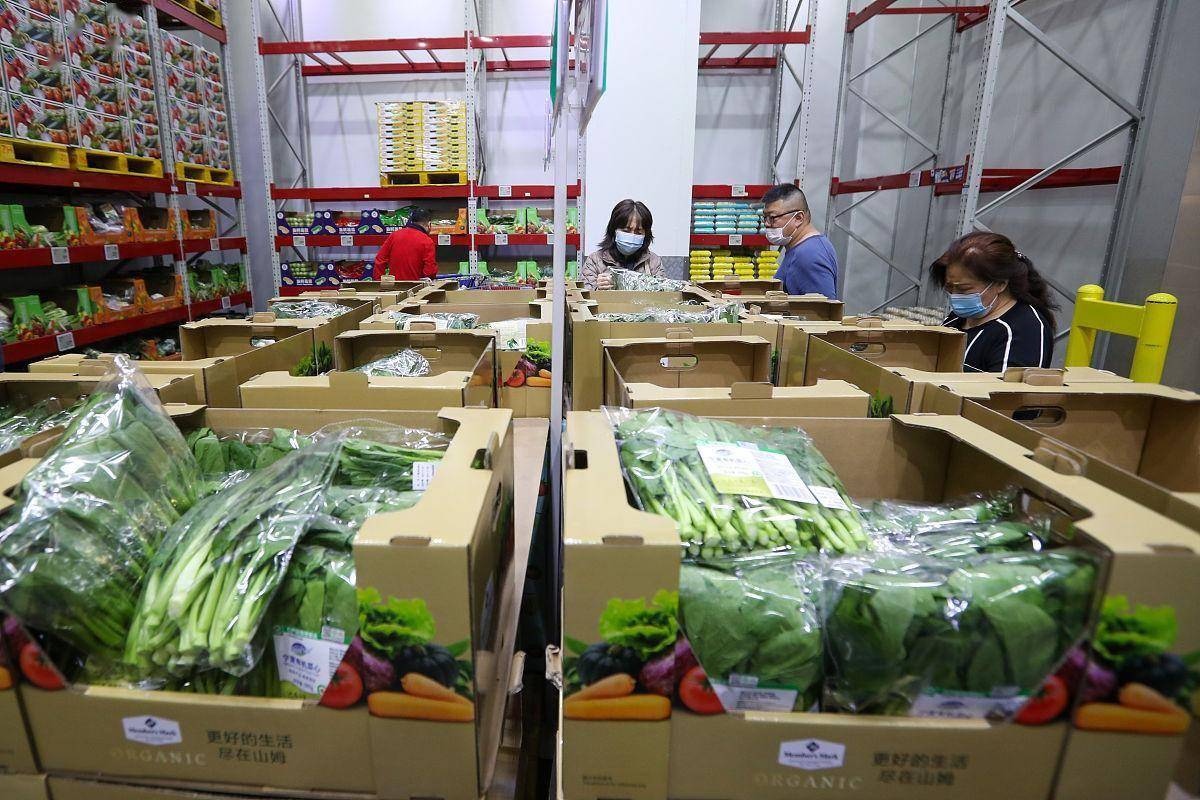
特色产业唤醒新疆沃野(现场评论·天山南北气象新)
Ren Min Ri Bao· 2025-10-13 22:20
Core Insights - The transformation of Xinjiang's agricultural sector is driven by a focus on market-oriented production and brand-driven sales, enhancing the agricultural value chain and increasing added value [1][2][3] Group 1: Agricultural Development - Xinjiang's agricultural development is shifting from high yield to high quality and high standards, moving away from the traditional model of selling low-priced primary products [1] - The introduction of leading processing enterprises has enabled the conversion of raw agricultural products into high-value processed goods, creating job opportunities and increasing local income [1][2] Group 2: Brand Building - Brand development acts as an amplifier for agricultural products, with local products achieving international organic certification and significant market demand [2] - The transition from "selling what is available" to "selling what is desired" is crucial for upgrading agricultural products from generic to premium status [2] Group 3: Market Expansion - Agricultural products must reach beyond local markets to appreciate in value, as demonstrated by the success of the "Rujiangqing" edible fungus ecological technology demonstration park [2] - Investments in cold chain storage and logistics have extended the sales period of products, allowing for better market penetration and sales opportunities [2] Group 4: Collaborative Efforts - Successful value addition in agriculture requires collaborative efforts among government, enterprises, and farmers, focusing on infrastructure improvement, innovation, and quality management [3] - The emphasis on aligning with local resource endowments and industry foundations is essential for achieving high-quality development in Xinjiang's agricultural sector [3]
农发行四川三台县支行:金融赋能“天府粮仓”油菜制种产业高质量发展
Zheng Quan Ri Bao· 2025-07-09 06:10
Core Viewpoint - The Agricultural Development Bank of China (ADBC) is providing significant financial support to the "Tianfu Grain Warehouse" rapeseed seed production demonstration base project in San Tai County, with a total investment exceeding 100 million yuan to enhance the local rapeseed seed production industry [1][2]. Group 1: Project Financing and Support - ADBC's San Tai County branch has recently invested an additional 40 million yuan in loans to support the project, which aims to promote high-quality development in the local rapeseed seed production industry [1]. - The branch has proactively addressed the project's financing needs, forming a specialized team to conduct in-depth research and tailor financial service plans, resulting in the approval of 400 million yuan in project loans [1][2]. Group 2: Project Objectives and Benefits - The project includes land consolidation, construction of field roads, improvement of irrigation facilities, and provision of seed production experimental greenhouses and quality testing equipment [2]. - Upon completion, the project is expected to significantly enhance per-acre productivity and disaster resistance, facilitate agricultural transformation, and create conditions for mechanized and large-scale production, thereby reducing operational costs [2]. - The project will also leverage land transfer mechanisms to increase villagers' income through both land rent and employment opportunities, contributing to rural economic growth [2]. Group 3: Future Plans and Contributions - ADBC's San Tai County branch plans to continue enhancing its role as a policy-oriented agricultural bank by increasing credit support and focusing on the upgrade of the entire agricultural industry chain [2]. - The bank aims to explore new pathways for rural revitalization that enhance industry efficiency and farmers' income, thereby contributing to local economic development and comprehensive rural revitalization [2].