
减税和放松监管

Search documents
无论美联储掌门之争结局如何,贝森特才是实权拥有者?
Jin Shi Shu Ju· 2025-12-15 09:41
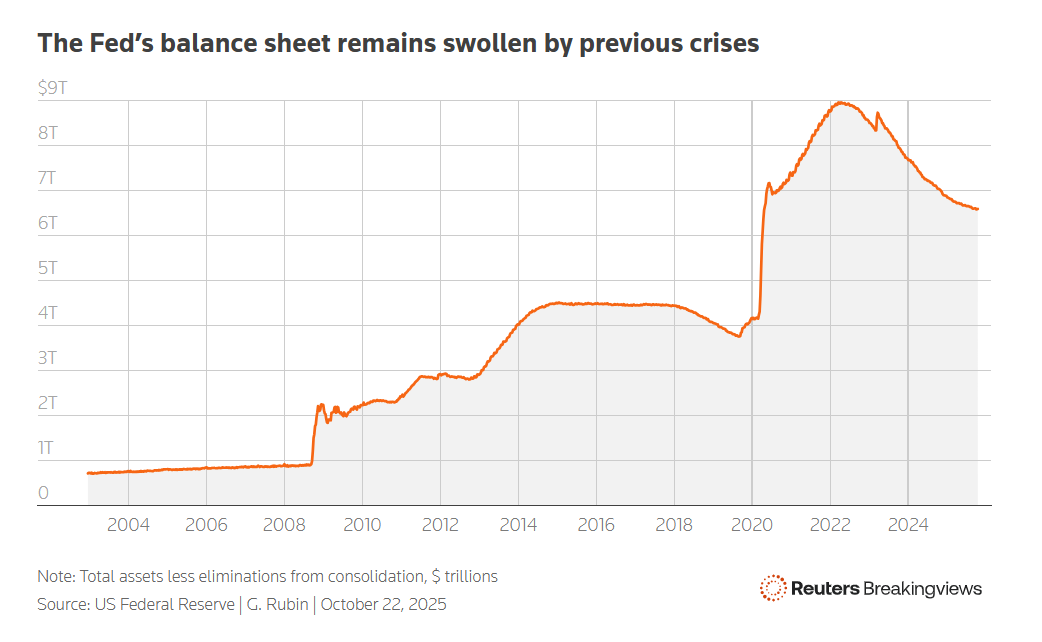
Core Viewpoint - The independence of the Federal Reserve is increasingly under threat as political influences grow, particularly with the upcoming retirement of Chairman Jerome Powell and the potential for President Trump to reshape the leadership and policies of the Fed [2][10]. Group 1: Federal Reserve Leadership and Political Influence - The impending retirement of Jerome Powell presents an opportunity for President Trump to alter the leadership of the Federal Reserve, which has faced criticism since Powell's appointment in 2018 [2]. - Scott Bessent, a key figure in the selection process, is expected to exert significant influence over the choice of Powell's successor, with speculation that Kevin Hassett is the leading candidate [2][3]. - Trump has publicly criticized Powell for not lowering interest rates quickly enough, indicating a desire for a more compliant Fed leadership [2][9]. Group 2: Criticism of Federal Reserve's Role - Bessent argues that the Federal Reserve has strayed from its original role, particularly during the financial crisis and the COVID-19 pandemic, where it expanded its influence without sufficient democratic oversight [3][7]. - The Fed's balance sheet has ballooned to $6.6 trillion, reflecting its expanded role in the economy, which has disproportionately benefited asset owners [3][6]. - Critics, including Bessent, suggest that the Fed has overestimated the effectiveness of fiscal stimulus while underestimating the impact of tax cuts and deregulation on economic growth [7]. Group 3: Regulatory and Structural Changes - The Fed's responsibilities have broadened post-2008 financial crisis, extending into areas like financial regulation and social issues, which some argue is beyond its mandate [7][8]. - There are calls to revisit the 1951 Federal Reserve-Treasury Agreement, which allowed the Fed to control its balance sheet independently, marking a significant step towards its independence [7][8]. - The Trump administration aims to align the Fed's regulatory agenda with White House priorities, including a push for lower interest rates and a shift in debt management responsibilities to the Treasury [8]. Group 4: Future Implications for the Federal Reserve - The potential loss of independence for the Federal Reserve could lead to a concentration of power in the government during future economic crises, undermining the Fed's ability to manage inflation and maintain credit health [10]. - Trust and recognition from the public are essential for the Fed to effectively control inflation and ensure financial stability, which may be compromised under the current political climate [10].

美财长为关税政策辩护,行业高管并不买账
Huan Qiu Shi Bao· 2025-05-06 22:24
Group 1 - The U.S. Treasury Secretary, Mnuchin, emphasized that the Trump administration's economic agenda, including tariffs, tax cuts, and deregulation, aims to strengthen the U.S. as a global capital destination [1] - Many corporate executives expressed concerns about the aggressive tariffs imposed by the U.S. government, which have led to companies pausing their investment plans [1] - Citigroup's CEO, Jane Fraser, noted that clients are preparing for difficult situations, with companies strengthening balance sheets and delaying business expenditures or investments [1] Group 2 - A Reuters poll indicated a high risk of global economic recession, with 92% of economists stating that the Trump administration's tariff policies have harmed business confidence [2] - The IMF's Managing Director, Georgieva, revised the global GDP growth forecast for FY2025 down from 3.3% to 2.8%, attributing this to the impact of U.S. tariffs [2] - Georgieva warned that the world is moving towards a period of increased shocks and volatility, with developed economies like the U.S. facing more inflation [2]