分段过年

Search documents
一大批年轻人,开始“反向过年”
投中网· 2026-02-13 07:46
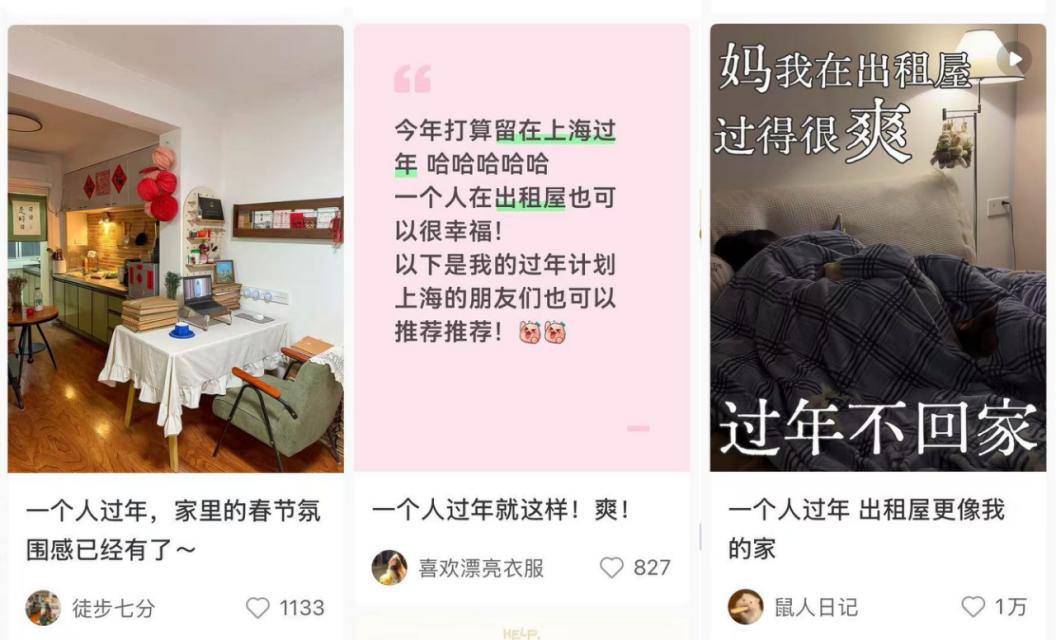
Core Viewpoint - The article discusses the evolving ways in which young people in China are choosing to celebrate the Lunar New Year, moving away from traditional family reunions to alternative methods such as "reverse New Year" celebrations, travel, or even spending the holiday alone in their cities [5][15]. Group 1: Reverse New Year Celebrations - Many young people are opting to bring their parents to major cities for the New Year instead of returning home, with a significant increase in flight bookings for this "reverse" trend. For instance, flight bookings from smaller airports to cities like Beijing and Shanghai have seen a notable rise, with a reported 84% increase in bookings compared to last year [7][8]. - The top destinations for "reverse New Year" flights include major cities such as Beijing, Shanghai, and Guangzhou, indicating a shift in travel patterns during the holiday season [7][8]. Group 2: Travel and Segmented Celebrations - Some individuals are choosing a segmented approach to the holiday, spending part of the time with family and then traveling. For example, one individual plans to return home for the New Year's Eve dinner and then take their parents on a trip to Guangdong [9][10]. - Smaller cities are emerging as popular travel destinations during the holiday, with hotel bookings in places like Pu'er and Jieyang increasing by over 80% compared to previous years [10]. Group 3: Individual Celebrations - A growing number of young people are choosing to spend the New Year alone in their rented apartments, a choice that is increasingly seen as positive rather than lonely. This shift is reflected in social media discussions about how to create a festive atmosphere while celebrating alone [12][13]. - The motivations behind this choice include avoiding the stress of family obligations and the desire for personal comfort, with many individuals expressing that they find joy in creating their own holiday experiences [14][15]. Group 4: Changing Perceptions of "New Year Flavor" - The concept of "New Year flavor" is becoming more individualized, with many young people feeling that traditional celebrations have lost their significance. For instance, one individual noted that the festive atmosphere has diminished over the years, and they now view the holiday as an opportunity for rest rather than a family obligation [16][17]. - The article suggests that as societal norms evolve, the ways in which people celebrate the New Year are likely to become more diverse and personalized, reflecting broader trends in consumer behavior and family dynamics [16][17].


一大批年轻人,开始「反向过年」
36氪· 2026-02-11 13:35
Core Viewpoint - The article discusses the evolving attitudes of young people towards the traditional practice of returning home for the Chinese New Year, highlighting a shift towards alternative ways of celebrating the holiday, such as "reverse New Year" and "individual New Year" experiences [4][5][27]. Group 1: Reverse New Year - A significant number of young people are opting to bring their parents to major cities for the New Year instead of returning home, with a notable increase in flight bookings for this "reverse New Year" trend, showing an 84% year-on-year growth in ticket reservations [7][10]. - Popular routes for "reverse New Year" flights include cities like Shanghai, Beijing, and Guangzhou, indicating a shift in travel patterns during the holiday season [7][9]. - The challenges of securing tickets for traditional homeward journeys are driving this trend, as many young professionals find it easier and more affordable to bring their families to urban centers [10][9]. Group 2: Segmented Celebrations - Some individuals are choosing to split their holiday into two parts: spending time with family at home and then traveling for leisure, reflecting a desire for both familial connection and personal enjoyment [12][13]. - Destinations like Pu'er and Jieyang are emerging as popular travel spots, with hotel bookings in these areas seeing over 80% year-on-year increases, indicating a shift towards smaller cities for holiday travel [13][15]. - The trend of segmented celebrations is also influenced by the extended holiday period, allowing for more flexible travel plans [12][16]. Group 3: Individual New Year - A growing number of young people are choosing to spend the New Year alone in their rented apartments, a choice that is increasingly seen as positive rather than lonely [20][24]. - Activities during this "individual New Year" include personalizing living spaces, preparing favorite foods, and even taking on part-time jobs, showcasing a shift in how the holiday is perceived and celebrated [22][23]. - The narrative around spending the New Year alone is changing, with many expressing excitement about the freedom it brings compared to traditional family obligations [20][24]. Group 4: Redefining New Year Traditions - The concept of "year flavor" is becoming more individualized, with people defining their own meanings of the holiday based on personal experiences rather than traditional expectations [27][30]. - Factors such as urbanization, improved transportation, and changing family structures are contributing to a more personalized approach to celebrating the New Year, moving away from collective traditions [30][31]. - These emerging trends, while currently seen as niche, may evolve into mainstream practices, allowing individuals to celebrate the New Year in ways that resonate more with their personal values and lifestyles [31].
越来越多年轻人选择异地过年
Xin Lang Cai Jing· 2026-02-11 12:21
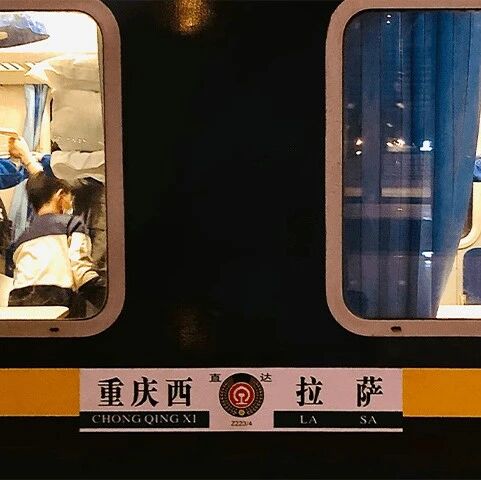
Core Viewpoint - The traditional practice of returning home for the Spring Festival is increasingly being reconsidered by many, with a growing trend of alternative ways to celebrate the holiday, such as "reverse New Year" where young people invite their parents to big cities instead of going home [2][3][4]. Group 1: Reverse New Year Trend - There is a significant increase in the booking of "reverse" tickets from smaller airports to major cities like Beijing and Shanghai, with a reported 84% year-on-year growth in ticket reservations for this trend [4][6]. - Popular routes for "reverse New Year" include flights from cities like Yulin to Shanghai and Hengyang to Beijing, indicating a shift in travel patterns during the holiday season [4]. - The convenience of obtaining tickets for "reverse New Year" is a major factor, as many find it easier and more affordable compared to the difficulty of securing tickets for returning home [6]. Group 2: Family Dynamics and Travel - Young individuals are increasingly motivated to bring their families to urban areas for the holiday, as seen in the case of a worker in Shenzhen who invited her grandparents to experience the city [7]. - The trend of "split New Year" is emerging, where individuals spend part of the holiday with family and then travel to other destinations, reflecting a desire for both family connection and leisure [8][10]. - Smaller cities are gaining popularity as travel destinations during the Spring Festival, with hotel bookings in places like Pu'er and Jieyang seeing over 80% year-on-year increases [8]. Group 3: Changing Perceptions of the Holiday - Many young people are choosing to spend the holiday alone in their rented apartments, with a shift in narrative around "spending New Year alone" becoming more positive and anticipated [11][13]. - The traditional family gathering atmosphere is diminishing for some, with individuals expressing a desire for a more personal and less stressful holiday experience [10][14]. - The concept of "New Year" is evolving, with individuals redefining what it means to celebrate, moving away from collective traditions to more personalized expressions of the holiday [16].
一大批年轻人,开始“反向过年”
虎嗅APP· 2026-02-11 09:38
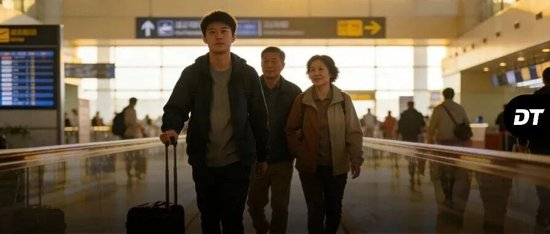
Core Viewpoint - The traditional practice of returning home for the Spring Festival is increasingly being reconsidered by many, with a growing trend of "reverse Spring Festival" where young people invite their parents to big cities instead of going back to their hometowns [4][6]. Group 1: Reverse Spring Festival - There is a significant increase in the booking of "reverse" tickets from smaller airports to major cities like Beijing, Shanghai, and Guangzhou, with a reported 84% year-on-year growth in ticket bookings for this trend [6][8]. - The top ten popular destinations for "reverse Spring Festival" include Beijing, Shanghai, Chengdu, and others, indicating a shift in travel patterns during the holiday [6]. - The difficulty in purchasing tickets for returning home is a major reason for this trend, as many people in large cities face challenges in securing travel arrangements [6][8]. Group 2: Segmenting the Holiday - Some individuals are opting for a segmented approach to the holiday, spending time with family before traveling to other destinations for leisure [10][11]. - The trend of visiting smaller cities for tourism during the Spring Festival is on the rise, with hotel bookings in places like Pu'er and Jieyang seeing over 80% year-on-year increases [11][13]. - Travelers are increasingly choosing less popular destinations to avoid crowds and high accommodation prices, reflecting a desire for a more relaxed holiday experience [13][14]. Group 3: Independent Celebrations - A segment of young people is choosing to spend the holiday alone in their rented apartments, embracing the idea of "celebrating alone" with excitement rather than viewing it as a lonely experience [15][16]. - This group is actively preparing for the holiday by decorating their living spaces and purchasing personal favorite foods, indicating a shift in how individuals perceive and celebrate the holiday [15][16]. Group 4: Reevaluating the Meaning of the Holiday - Many individuals are reflecting on the pressures associated with traditional celebrations, such as family obligations and social expectations, leading to a desire for a more personal and less stressful holiday experience [17][18]. - The concept of "year flavor" is evolving, with individuals prioritizing personal well-being and meaningful connections over traditional festivities [18][19]. - The ongoing changes in family structures and individual awareness are contributing to a more diverse and personalized approach to celebrating the New Year, moving away from collective traditions [20][21].
越来越多年轻人选择异地过年
第一财经· 2026-02-11 09:32
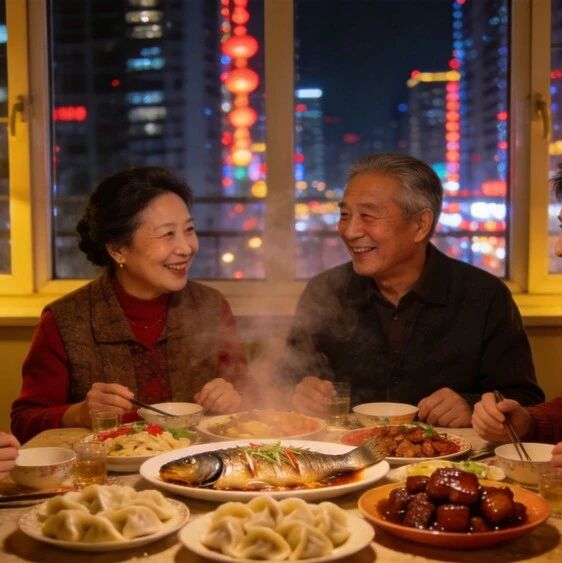
Core Viewpoint - The article discusses the evolving attitudes of young people towards the traditional practice of returning home for the Chinese New Year, highlighting a shift towards alternative ways of celebrating the holiday, such as "reverse New Year" and "individual New Year" experiences [4][21]. Group 1: Reverse New Year - A significant number of young people are opting to bring their parents to major cities for the New Year instead of returning home, with a notable increase in ticket bookings for flights from smaller airports to cities like Beijing and Shanghai [4][5]. - Data from Meituan indicates that from early February to mid-February, the booking volume for "reverse New Year" flights increased by 84% compared to the previous year [5]. - The difficulty in securing tickets for returning home is a major factor driving this trend, as urban areas experience high demand during the Spring Festival [7][8]. Group 2: Segmenting the Holiday - Some individuals are choosing to split their holiday into two parts: spending the first part at home with family and then traveling for leisure afterward [9][10]. - This approach allows families to maintain traditional celebrations while also enjoying a vacation, reflecting a desire for both familial connection and personal enjoyment [9][10]. Group 3: Individual New Year - A growing number of young people are choosing to spend the New Year alone in their rented accommodations, a shift from previous years where this was often seen as a lonely choice [15][21]. - Many are actively preparing for a solo celebration by decorating their spaces and purchasing their favorite foods, indicating a positive attitude towards this new way of celebrating [17][21]. - The article notes that the perception of spending the New Year alone is changing, with individuals finding joy and excitement in the experience [15][19]. Group 4: Changing Definitions of "New Year Flavor" - The concept of "New Year flavor" is becoming more personalized, with individuals defining it based on their own experiences rather than traditional expectations [21][22]. - Factors such as urbanization, transportation advancements, and changing family structures are contributing to this shift, allowing for more diverse and individualized celebrations [22][23]. - The article suggests that these emerging trends, while currently seen as niche, may become mainstream as more people seek to define the New Year in their own terms [22][23].
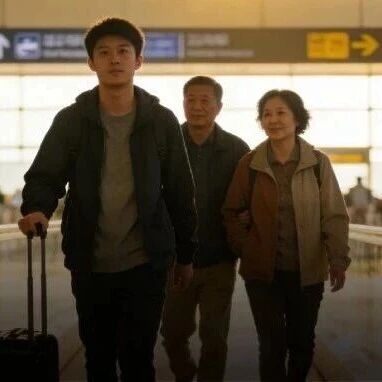
一大批年轻人,开始“反向过年”
3 6 Ke· 2026-02-11 08:37
Core Insights - The traditional notion of "going home for the New Year" in China is evolving, with many individuals now reconsidering this practice due to rising travel costs and the pressures of family gatherings [1][2][12] Group 1: Changing Travel Trends - A significant number of young people are opting for "reverse New Year," where they invite their parents to major cities instead of returning home [3][4] - Data from Tongcheng Travel indicates a notable increase in flight bookings for "reverse New Year," with a year-on-year growth of 84% in ticket reservations from early February to mid-February [3] - Major cities like Beijing, Shanghai, and Guangzhou are becoming popular destinations for this trend, reflecting a shift in how families celebrate the holiday [3][4] Group 2: Reasons for Alternative Celebrations - The difficulty in securing tickets for traditional homeward travel is a primary reason for the shift towards "reverse New Year" [4][5] - Young professionals are motivated not only by ticket availability but also by the desire to showcase their living environments to their families, indicating a deeper connection to their current cities [5][6] - The trend of "split New Year" is emerging, where individuals spend part of the holiday with family and then travel for leisure, highlighting a desire for both familial connection and personal enjoyment [6][7] Group 3: Individual Celebrations - A growing number of young people are choosing to spend the New Year alone in their rented accommodations, reflecting a shift in perception towards solitude during the holiday [8][9] - This choice is increasingly seen as a positive experience, with individuals preparing their own festive environments and enjoying personal preferences in food and activities [11][12] - The narrative around spending the New Year alone is changing, with many expressing excitement and anticipation rather than loneliness [9][12] Group 4: Evolving Definitions of "New Year" - The concept of "New Year flavor" is becoming more individualized, with people redefining what the holiday means to them based on personal experiences and preferences [13][14] - Factors such as urbanization, transportation advancements, and changing family structures are contributing to a more personalized approach to celebrating the New Year [13][14] - The traditional collective celebration is giving way to diverse expressions of the holiday, indicating a potential shift towards these new trends becoming mainstream in the future [14]