制播分离

Search documents
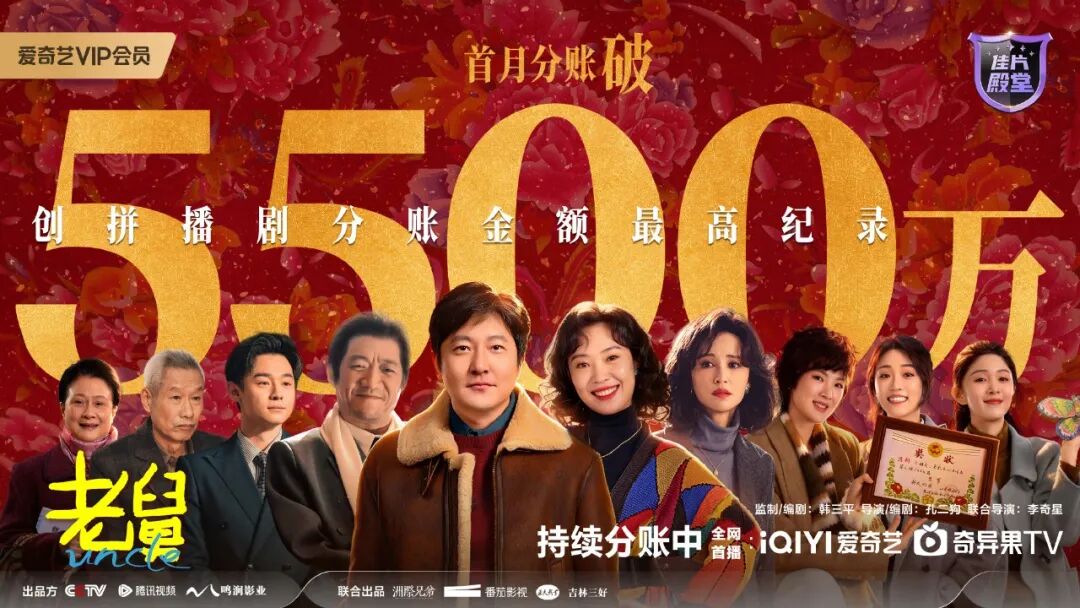
分账,能救长剧吗?
3 6 Ke· 2026-02-04 00:56
Core Viewpoint - The long drama market is attempting to revive itself through a new revenue-sharing model, but there are significant questions about its suitability and implementation [3][10]. Group 1: Revenue Sharing Model - The revenue-sharing policies from major platforms like Tencent Video, iQIYI, and Youku have been updated, expanding the scope of eligible content significantly [3][4]. - Tencent Video's new policy aims to support top-tier suppliers, while iQIYI's policy expands the revenue-sharing range, indicating a willingness to invest in quality content [4][5]. - The new policies may lead to a "stronger get stronger" scenario, where top projects receive more support, potentially marginalizing lower-tier projects [7][8]. Group 2: Market Dynamics - The industry is witnessing a polarization, with fewer mid-tier production companies able to sustain profitability, leading to concerns about the long-term viability of these companies [8][14]. - The new revenue-sharing model may accelerate market differentiation, favoring high-quality content while putting pressure on lower-quality projects [7][10]. - There is a concern that the focus on quick returns may stifle innovation and lead to a homogenization of content, as slower-paced, innovative projects may struggle to survive [13][17]. Group 3: Future Outlook - The ideal revenue-sharing framework may involve a hybrid model where platforms provide some guarantees to production companies, allowing for shared risks and rewards [17]. - The industry may benefit from adopting a "production-broadcast separation" model, similar to practices in mature markets, but challenges remain due to the current dynamics in the domestic market [17]. - Overall, while the revenue-sharing model presents new opportunities for long dramas, balancing market-driven approaches with content innovation remains a critical challenge for the industry [14][17].



黎瑞刚:"中国默多克"的隐秘资本江湖
Ge Long Hui· 2026-01-25 13:45
Core Insights - The announcement by Shaw Brothers Holdings (00953.HK) regarding the acquisition of core assets from its parent company, CMC Inc., marks a significant event in the film and television capital market, with a transaction value of 45.77 billion RMB, which is 18 times its market capitalization [1] - This acquisition is part of a strategic move by Li Ruigang, often referred to as "China's Murdoch," to realize his long-standing ambition of listing, showcasing his extensive experience and strategic foresight in the media and entertainment industry [1][17] Group 1: Li Ruigang's Background and Career - Li Ruigang's career began with a focus on breaking through institutional boundaries while leveraging resources and insights gained from his time in state media [2] - His rise in the media industry was marked by significant reforms at Shanghai Media Group (SMG), where he led a transformation that increased group revenue from 1.85 billion RMB to 16.73 billion RMB, achieving nearly a tenfold growth [3] - The acquisition of a 53% stake in Star Chinese Media from Rupert Murdoch for 74 million USD established Li as a key player in the Chinese media landscape [4] Group 2: Strategic Acquisitions and Media Empire - The acquisition of Noon Sunshine, a leading production company known for hit series, is a critical component of Li's strategy to build a comprehensive media ecosystem that spans content production, distribution, and exhibition [5] - UME Cinemas, with over 63 locations, plays a vital role in providing a stable distribution network for self-produced films, enhancing cash flow through box office revenue and IP monetization [6] - Li's international strategy includes partnerships with TVB and the establishment of Oriental DreamWorks, which has produced successful films like "Kung Fu Panda 3," showcasing a commitment to global content production and distribution [7] Group 3: Sports Industry Ventures - Li's foray into the sports industry included a controversial 8 billion RMB investment in the Chinese Super League's media rights, reflecting his belief in the untapped value of sports content [9] - The acquisition of a 13% stake in Manchester City Football Club marked a significant step in internationalizing his sports investments, providing insights into global sports management [10] - Despite challenges in the sports sector, Li's strategic adjustments, such as focusing on core events and operational capabilities, demonstrate his adaptability in navigating industry cycles [11] Group 4: Diversification and Financial Technology - CMC Capital serves as the core platform for Li's diversified investments across technology, finance, and consumer sectors, managing over 30 billion RMB in assets [12] - The establishment of the CMC AI Creative Fund aims to leverage AI technology to enhance content production efficiency, indicating a forward-looking approach to industry challenges [13][14] - Li's investment strategy emphasizes ecological synergy, with investments in platforms like Bilibili and iQIYI to support content distribution and capitalize on consumer trends [12] Group 5: Family and Wealth Management - Li's wealth is supported by a network of 73 companies, with significant stakes in CMC and other ventures, indicating a robust financial foundation [15] - His partnership with his wife, Yang Yuancao, enhances his business operations, creating a synergistic effect that strengthens their collective investment strategies [16] - The family’s capital management approach focuses on professionalization and internationalization, allowing for strategic asset allocation and risk mitigation [16] Group 6: Future Outlook and Challenges - The asset injection into Shaw Brothers is a pivotal move for Li's capital strategy, aimed at achieving asset securitization and enhancing market valuation [17] - Li's overarching strategy is characterized by a focus on content quality, ecological collaboration, and a global perspective, although challenges such as industry volatility and regulatory risks remain [18] - Future developments may include deeper integration of technology, further consolidation of media assets, and expansion into international markets, positioning Li's empire for sustained growth [18]
平台腰斩版权剧?
3 6 Ke· 2025-08-04 00:21
Group 1 - The video platform industry is entering a deep adjustment phase, with a collective shift towards self-produced and customized dramas, leading to a significant reduction in the share of licensed dramas [1][12][15] - The tightening of licensed drama procurement is a strategic move by platforms to focus on core business and enhance competitiveness in the content market [12][15] - The industry's trend towards premium content necessitates the concentration of resources on high-quality productions, further marginalizing licensed dramas [15][18] Group 2 - Small and medium-sized production companies are facing elimination as platforms prioritize larger, established firms capable of delivering guaranteed traffic and quality [4][6][11] - The procurement standards have become more stringent, creating invisible barriers that hinder smaller companies from entering the long-form drama market [6][11] - The shift from a "brand model" to a "factory model" in production processes reflects the platforms' increasing control over content creation, leading to a loss of creative freedom for many creators [7][9][11] Group 3 - The historical context of the industry's evolution shows that platforms previously engaged in fierce bidding wars for popular drama rights, which inflated costs and reduced profitability [12][15] - The current focus on self-produced content is reminiscent of past television station practices, which ultimately led to a lack of innovation and necessitated a separation of production and broadcasting [15][18] - The industry's cyclical nature suggests that while platforms are currently consolidating control, future challenges may prompt a reevaluation of collaborative models to foster creativity and competition [18]