石油产品

Search documents
中东断供进行时:海峡恢复是核心定价因素
Dong Zheng Qi Huo· 2026-03-31 12:43
Report Industry Investment Rating There is no information provided regarding the report's industry investment rating in the given content. Core Viewpoints - The ongoing military conflict in the Middle East has significantly impacted the crude oil market, with the interruption of navigation in the Strait of Hormuz being the main factor. The duration of the strait's interruption is the key to determining the future risk premium level of oil prices [74]. - If the Strait of Hormuz remains closed, the estimated export loss in the Middle East will be 800 - 900 million barrels per day, accounting for about 8% of global total consumption. The major oil - producing countries that rely on the Strait of Hormuz for transportation will face varying degrees of production cuts, and OPEC+'s remaining theoretical idle production capacity of about 3 million barrels per day cannot be effectively released [23][36]. - The release of the IEA's strategic petroleum reserve can provide short - term supply buffering, but the inventory distribution is uneven, and different markets have different capabilities to withstand the interruption of the Strait of Hormuz [42]. - In the long - term, the United States has the greatest potential for supply growth, while South America's supply growth potential in 2026 is difficult to increase significantly [62][70]. Summary by Relevant Catalogs Middle East Oil Export and Strait of Hormuz Impact - The Strait of Hormuz accounts for 27% of global crude oil and petroleum product exports. In 2025, the daily transportation volume of crude oil and petroleum products through the strait reached 1,491 million barrels and 332 million barrels respectively. The major Middle East oil - producing countries are highly dependent on the strait for oil exports [5][7]. - 83% of the crude oil and petroleum products exported through the Strait of Hormuz flow to Asia. Crude oil exports are concentrated in Asia (86%), while petroleum product exports are relatively more dispersed, with Asia accounting for 61%, and Europe and Africa each accounting for 16% [8][12]. - If the Strait of Hormuz is continuously closed, the estimated export loss in the Middle East will be 800 - 900 million barrels per day, accounting for about 8% of global total consumption. In the four weeks before the conflict, the navigation in the Strait of Hormuz was at a low level. In the week of March 29, the crude oil transportation volume through the strait was about 7% of the normal level [23]. Bypass Routes for Oil Export - Some countries can use over - land pipelines to bypass the Strait of Hormuz for partial exports. Saudi Arabia's "East - West Oil Pipeline" has a maximum capacity of 7 million barrels per day after expansion, and the estimated stable loading capacity of Yanbu Port is 4.3 - 4.5 million barrels per day, with a maximum export capacity of 5 - 5.5 million barrels per day. However, the south - bound route of Yanbu Port passes through the Bab el - Mandeb Strait, and some oil tankers may face the risk of attack by the Houthi armed forces [15]. - The ADCOP pipeline in the UAE has an estimated capacity of 1.5 - 1.8 million barrels per day. Since 2024, the increase in the pipeline's utilization rate has led to an increase in the crude oil export volume of Fujairah Port to about 1.15 million barrels per day, accounting for about 33% of the UAE's total exports. However, the high utilization rate of the pipeline limits its remaining capacity to divert the transportation volume of the Strait of Hormuz, and Fujairah Port has been reported to have been attacked multiple times since the conflict [15]. - Iraq used to export about 400,000 barrels of crude oil per day through the Ceyhan Port in Turkey, which was once interrupted. Since last October, the export volume has recovered to 150,000 - 200,000 barrels per day. Recently, due to Iraq's production cuts, the loading at the Botas Ceyhan terminal has also been affected [15]. Iran's Oil Export Situation - 94% of Iran's crude oil exports come from Kharg Island. Although the military facilities on the island were attacked by the United States, the export terminal was not damaged, and the loading volume has remained at a normal level since the conflict. Iran's crude oil export volume is expected to remain stable at about 1.6 million barrels per day, and the total amount of Iranian crude oil at sea is 180 million barrels, with the floating storage inventory of those floating for more than 15 days dropping to about 24 million barrels [18]. Impact on Oil Production and Supply - The major oil - producing countries that rely on the Strait of Hormuz for transportation will face varying degrees of production cuts due to the depletion of on - land storage capacity. Iraq and Kuwait are the most affected due to the lack of bypass capabilities, and the UAE and Saudi Arabia have also announced different degrees of production restrictions [36]. - The interruption of the Strait of Hormuz will also result in about 3 million barrels per day of OPEC+'s remaining theoretical idle production capacity being unable to be effectively released to the market, further reducing the supply buffer [36]. Global Oil Inventory and Product Inventory - After the global seaborne crude oil in - transit volume decreases, the consumption of on - land inventory will accelerate. As of the end of March, the total global on - land inventory (excluding countries along the Persian Gulf) was about 2.8 billion barrels, and the overall level of global on - land crude oil inventory is not high [42]. - The gasoline inventory in Europe and the United States is slightly higher than the five - year average, while the diesel inventory level is relatively low. The price of middle distillates has risen more sharply after the conflict, and Europe faces a greater risk of supply shortage due to its relatively high dependence on aviation kerosene and diesel from the Middle East [45]. IEA's Strategic Petroleum Reserve Release - As of the end of December 2025, the IEA's government inventory was 1.245 billion barrels, and the industry inventory was 2.826 billion barrels. On March 11, the IEA announced the largest - ever release of strategic petroleum reserves, about 400 million barrels [51]. - The United States plans to release 172 million barrels of crude oil SPR in the form of "swap" within 120 days (1.435 million barrels per day) and requires enterprises to replenish the reserves in full by March 2028. Europe plans to release 34.4 million barrels of crude oil and 73.1 million barrels of petroleum products, and Asia - Pacific countries plan to release 65.2 million barrels of crude oil and 43.4 million barrels of petroleum products [51]. Asian Market and Sanction Oil - Asian countries generally have a high degree of dependence on crude oil imports from the Persian Gulf, and the seaborne import proportion of major consumers is over 40%. In the case of continuous supply interruption in the Middle East, the problem of supply mismatch in the market segmented by sanctioned oil may become more prominent [56]. - Even if the United States temporarily relaxes sanctions, the settlement problem of sanctioned oil, especially Iranian crude oil, may still limit buyers' purchases. The threat of drone attacks on Russian ports has also increased, and attention should be paid to whether it will affect Russia's export volume [61]. Long - term Supply Growth Potential - In the long - term, the United States has the greatest potential for supply growth. If the long - term oil price center moves up, the growth rate of U.S. production may accelerate. The average oil price required for profitable drilling in the Permian region is 67 US dollars per barrel [67]. - South America's supply growth potential in 2026 is difficult to increase significantly. Brazil's annual crude oil production is expected to rise to 4.2 million barrels per day, with an increase of about 300,000 barrels per day [70]. Oil Price Outlook - The passage of the Strait of Hormuz will be the decisive factor in determining the future risk premium level of oil prices. The interruption of the strait has had a substantial impact on the market supply, and the duration of the interruption is the key to testing energy security [74]. - In the short - term, the oil price may remain highly volatile as the expectations of "progress in negotiations" and "escalation of military operations" alternate. If the conflict ends quickly, the risk premium will significantly decline [74]. - In the long - term, the restoration of supply in the Strait of Hormuz and the Middle East is expected to be gradual, and the oil price fluctuation range is expected to fall to 80 - 100 US dollars per barrel, with the center higher than the pre - conflict level [74].
FT中文网精选:伊朗扼住了世界的咽喉
日经中文网· 2026-03-23 03:29
Core Viewpoint - The geopolitical crisis has prompted a restructuring of supply chains, fundamentally weakening the monopoly of Middle Eastern resource countries in the core chemical materials sector [5]. Group 1 - The military actions by the US and Israel against Iran have significantly disrupted the global energy and chemical supply chain [6]. - Iran's response to these actions includes asymmetric tactics, such as the potential blockade of the Strait of Hormuz, which is crucial for global oil and gas exports [6]. - The Strait of Hormuz, despite its narrowest point being only 29 nautical miles, is vital as it facilitates the passage of approximately 20 million barrels of oil and petroleum products daily, accounting for 25% of global maritime oil trade and 20% of global daily consumption [6]. Group 2 - The blockade of the Strait of Hormuz could eliminate around 20% of global LNG supply, equating to approximately 10.8 billion cubic feet per day, as major exporters like Qatar and the UAE heavily rely on this route for their LNG exports [6].

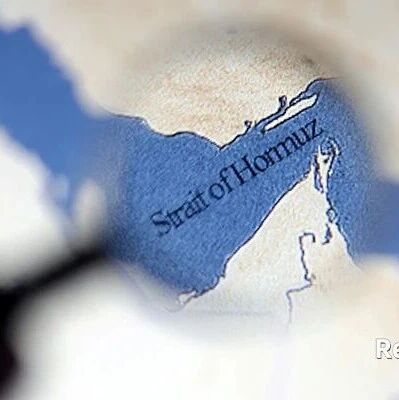
伊朗突发地震!中东局势,传来重大信号!伊朗外长发声!
券商中国· 2026-03-21 09:59
Core Viewpoint - The article discusses the ongoing tensions in the Middle East, particularly focusing on Iran's stance on the conflict and recent developments regarding oil supply and geopolitical risks [1][2]. Group 1: Iran's Position on the Conflict - Iran's Foreign Minister, Zarif, expressed that Iran seeks a complete and lasting end to the war rather than a temporary ceasefire, emphasizing the need for guarantees against future attacks and compensation for damages [2][3]. - Multiple countries are reportedly pushing for a ceasefire, but Iran is only considering a comprehensive solution to end the conflict [2]. Group 2: Regional Developments and Warnings - Iran has issued warnings to residents in the UAE's Haifa region, advising them to evacuate through designated routes due to potential military actions targeting Iranian islands [4][5]. - The Iranian Revolutionary Guard has threatened significant retaliation if Iranian islands are attacked again from the UAE [5]. Group 3: Impact on Oil Supply and Prices - Iran's oil ministry spokesperson stated that there is no remaining Iranian crude oil stranded at sea, and the U.S. has authorized a temporary release of approximately 140 million barrels of oil to the global market [6]. - The U.S. Treasury has approved a 30-day authorization for the sale of Iranian oil that is already on ships, which is part of a broader strategy to manage rising fuel prices amid ongoing conflicts [6][7]. - The International Energy Agency (IEA) announced a historic release of 400 million barrels of strategic oil reserves, doubling previous releases in response to supply disruptions and geopolitical risks [7].

美国有条件放松对伊朗油品的制裁!伊朗:纯粹为了给买家制造希望
证券时报· 2026-03-21 00:18
Group 1 - The U.S. Treasury Department's Office of Foreign Assets Control issued a general license on the 20th, conditionally easing sanctions on Iranian oil products, allowing the delivery and sale of Iranian crude oil and petroleum products that have already been loaded onto ships [1] - U.S. Treasury Secretary Janet Yellen stated that the Treasury is issuing a "narrowly defined, short-term authorization" to allow the sale of Iranian oil currently stranded at sea, which will provide approximately 140 million barrels of oil to the global market [1] - The temporary authorization is strictly limited to oil that is already in transit [1] Group 2 - On March 19, Yellen indicated that the U.S. had allowed Iranian oil to continue being transported through the Gulf region, with potential sanctions on Iranian oil at sea being lifted in the coming days [2] - Iranian Oil Ministry spokesperson Saman Godusi claimed that Iran currently has no remaining crude oil stranded at sea and no excess crude available for supply to other international markets, suggesting that Yellen's statements were aimed at creating hope for buyers and psychologically stabilizing the market [2] Group 3 - As of the latest close, ICE Brent crude was priced at $104.41 per barrel, while NYMEX WTI crude was priced at $98.09 per barrel [3]

科威特一炼油厂遭无人机袭击起火
21世纪经济报道· 2026-03-20 05:13
Group 1 - The Kuwaiti National Petroleum Company’s Ahmadi Port refinery was attacked by drones and caught fire, prompting emergency response teams to manage the situation and shut down some facilities [1] - There are currently no reports of casualties from the incident [1] Group 2 - The price of gold jewelry has dropped by approximately 100 yuan over the past two days [2] - Former President Trump compared potential military actions against Iran to the Pearl Harbor attack, emphasizing that no one understands "sneak attacks" better than Japan [2] - The U.S. military may consider seizing islands to compel Iran to open the Strait of Hormuz [2]

美国表示允许购买部分俄罗斯原油
日经中文网· 2026-03-13 08:00
Group 1 - The U.S. Treasury announced on March 12 that it will allow countries to purchase Russian crude oil and petroleum products currently in transit at sea within approximately one month [1][3] - This decision is a response to rising oil prices due to attacks on Iran and represents a temporary easing of sanctions against Russia for its ongoing aggression in Ukraine [1][3] - It is estimated that around 120 million barrels of Russian crude oil are currently stranded at sea following the attacks on Iran, and the U.S. government aims to facilitate their re-entry into the market [3] Group 2 - U.S. Treasury Secretary Janet Yellen stated that this limited and short-term measure applies only to oil in transit and will not provide significant economic benefits to the Russian government [3] - The Trump administration had previously taken steps on March 5 to allow India to purchase Russian crude oil within a month, indicating a broader trend of easing restrictions [3]

国际能源署:霍尔木兹海峡原油和石油产品运输量,从美以军事打击伊朗前的日均约2000万桶骤降至目前的“极低水平”
中国能源报· 2026-03-13 07:26
Core Viewpoint - The International Energy Agency (IEA) reports that the global oil market is facing the most severe supply disruption in history due to ongoing tensions in the Middle East, with a significant supply gap expected if shipping does not recover quickly [1][2]. Group 1: Supply Disruption - The transportation volume of crude oil and petroleum products through the Strait of Hormuz has plummeted from an average of approximately 20 million barrels per day before military strikes on Iran to currently "extremely low levels" [1]. - Gulf countries have reduced their total daily crude oil production by at least 10 million barrels due to limited alternative shipping capacity and near-saturation of storage facilities [1]. - The IEA forecasts a drop of about 8 million barrels per day in global crude oil supply by March [1]. Group 2: Impact on Refining Capacity - The military strikes by the US and Israel have significantly impacted the global refined oil market, with over 3 million barrels per day of refining capacity in the Middle East currently offline [1]. - Other regions are also expected to face gradual limitations in refining due to insufficient raw material supply [1]. Group 3: Price Volatility and Strategic Reserves - Following the military actions against Iran, international oil prices have experienced extreme volatility, with Brent crude oil futures reaching nearly $120 per barrel [1]. - In response to the tightening global supply, IEA member countries agreed to release 400 million barrels from strategic oil reserves [1]. - Global crude oil and refined oil inventories reached 8.21 billion barrels in January, the highest level since February 2021 [1]. Group 4: Temporary Measures - The release of oil reserves is viewed as a temporary measure, with the ultimate impact of the US-Israel conflict on the oil and gas market, as well as the overall economy, depending on the duration of shipping disruptions in the Strait of Hormuz [2].

美国颁发许可证,允许部分俄罗斯石油销售
财联社· 2026-03-13 00:37
Core Viewpoint - The article discusses the new general license issued by the U.S. Treasury, allowing the sale of Russian crude oil and petroleum products loaded onto vessels starting from March 12, with a deadline for sales set for April 11 at 12:01 AM Eastern Time [1] Group 1 - The U.S. has issued a new general license regarding the sale of Russian oil [1] - The license permits the sale of Russian crude oil and petroleum products that are already loaded on ships [1] - The effective date for this license is March 12, with a sales deadline of April 11 [1]
全球“历史上规模最大中断”,巴基斯坦、韩国行动
中国能源报· 2026-03-11 03:23
Group 1 - Pakistan's Prime Minister Shahbaz announced an energy austerity plan due to a global fuel crisis triggered by Middle Eastern conflicts, urging society to "use oil products reasonably" [3][4] - The plan includes a four-day work week for government institutions, with 50% of civil servants working from home, and schools will be closed for two weeks starting next week [3] - The government will cut fuel subsidies for official vehicles by 50%, halt 60% of government vehicles from operating, and cabinet members will temporarily forgo salaries, with lawmakers taking a 50% pay cut [4] Group 2 - The closure of the Strait of Hormuz has led to a daily reduction of approximately 20 million barrels in global oil supply, marking the largest oil supply disruption in history [5] - Pakistan's monthly oil import bill is projected to reach $600 million under the current conflict conditions, with the government seeking alternative fuel supplies from Saudi Arabia, Oman, and the UAE [5] - The Pakistani government plans to apply for tax exemptions on oil from the International Monetary Fund [5] Group 3 - In South Korea, authorities are intensifying efforts to combat the sale of substandard oil products amid rising international oil prices, with inspections targeting illegal activities at gas stations [6][7] - The average gasoline price in Seoul reached 1,949.13 KRW per liter, while diesel averaged 1,971.18 KRW per liter, with prices having increased for ten consecutive days due to the Iranian situation [7] - To stabilize oil prices, South Korea plans to reinstate a price cap mechanism for the first time in 29 years [7]
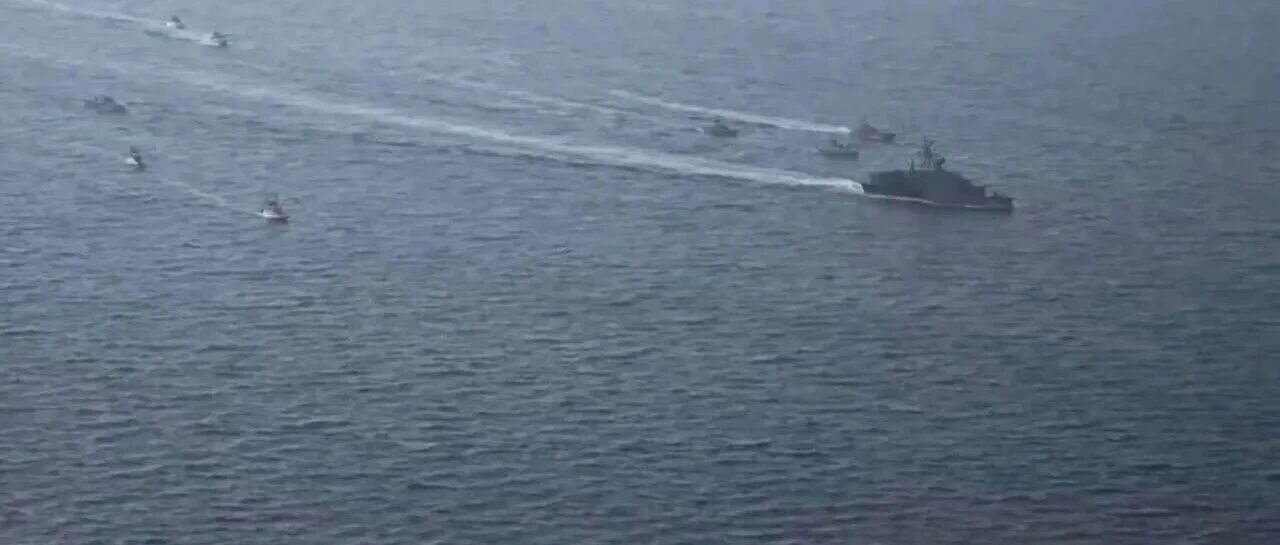
伊朗储油设施爆炸产生有毒污染物,致德黑兰居民出现呼吸困难
中国能源报· 2026-03-09 09:59
Group 1 - The Iranian Red Crescent Society reported a rare "black rain" phenomenon near the oil storage facilities that were attacked, causing respiratory difficulties among Tehran residents [1] - The explosion of the oil storage facilities is expected to release large amounts of toxic substances into the atmosphere, potentially leading to acid rain that can cause skin burns and lung damage [1] - The Iranian Foreign Ministry spokesperson stated that the attack on the oil facilities has released dangerous and toxic substances into the air, posing a significant threat to civilian life and the environment [1] Group 2 - The Iranian Environmental Protection Organization warned that pollutants have entered Tehran due to recent attacks, advising citizens to avoid unnecessary outdoor activities [2] - The attacks on five oil facilities resulted in four fatalities [2]