功能性酸奶

Search documents
低 GI 也能很好喝!莓小仙黑莓蓝莓酸奶上线,轻负担更享受
Zhong Guo Shi Pin Wang· 2025-12-06 03:32
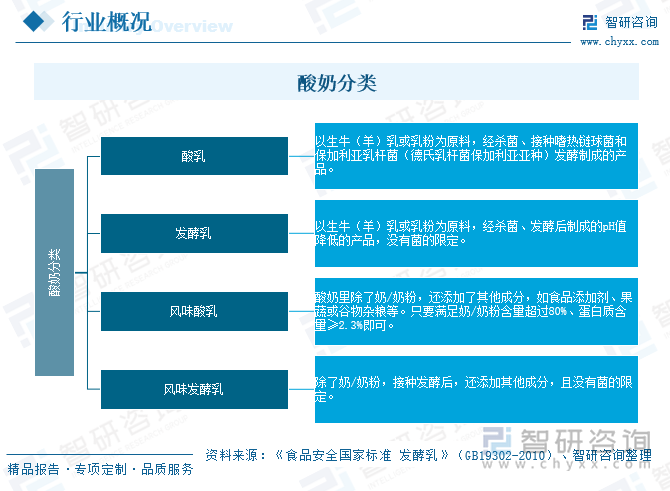
Core Insights - The collaboration between Mei Xiao Xian, NOPA, and Mengniu Nutrition Research Institute has led to the launch of a new low-GI blackberry and blueberry flavored yogurt, marking the entry into the low-sugar functional yogurt segment in the health beverage market [2][3]. Market Insights - The yogurt market in China is projected to decline to 99.874 billion yuan in 2024, while functional yogurt is becoming a growth engine [2]. - The shift in consumer preferences towards low-sugar and low-GI foods is driving the growth of functional yogurt, as consumers increasingly seek products that meet diverse nutritional needs [2][3]. Product Origin - The new yogurt product combines three types of super berries: blackberries, blueberries, and raspberries, with each bottle containing approximately 14.8 berries [6]. - The product is free from added sugar and preservatives, relying on the natural flavors of the berries [6][7]. Clean Labeling - The yogurt adheres to a clean label philosophy, containing no preservatives or artificial colors, and has over 80% fresh milk content to ensure quality [7]. Health Benefits - The yogurt is fermented with two types of probiotics, which may enhance gut health and reduce the risk of accelerated aging by 46% for regular consumers [8]. Technical Breakthrough - The yogurt utilizes a room temperature processing technology, allowing for a shelf life of five months without refrigeration, thus expanding its usability in various settings [11]. Industry Perspective - The launch aligns with the broader trend in the yogurt industry towards functional products, with a focus on precise nutrition and sustainable production [12][16]. Brand Collaboration - Mei Xiao Xian benefits from a partnership with Jiangsu Academy of Agricultural Sciences and Mengniu Nutrition Research Institute, ensuring scientific reliability in product formulation and production [17]. Future Outlook - The new yogurt product is positioned to capitalize on the growing consumer demand for health-focused products, potentially replicating Mei Xiao Xian's success in the juice market [22].

网红酸奶Blueglass“自降身价” 部分产品断崖降价
Nan Fang Du Shi Bao· 2025-11-18 08:45
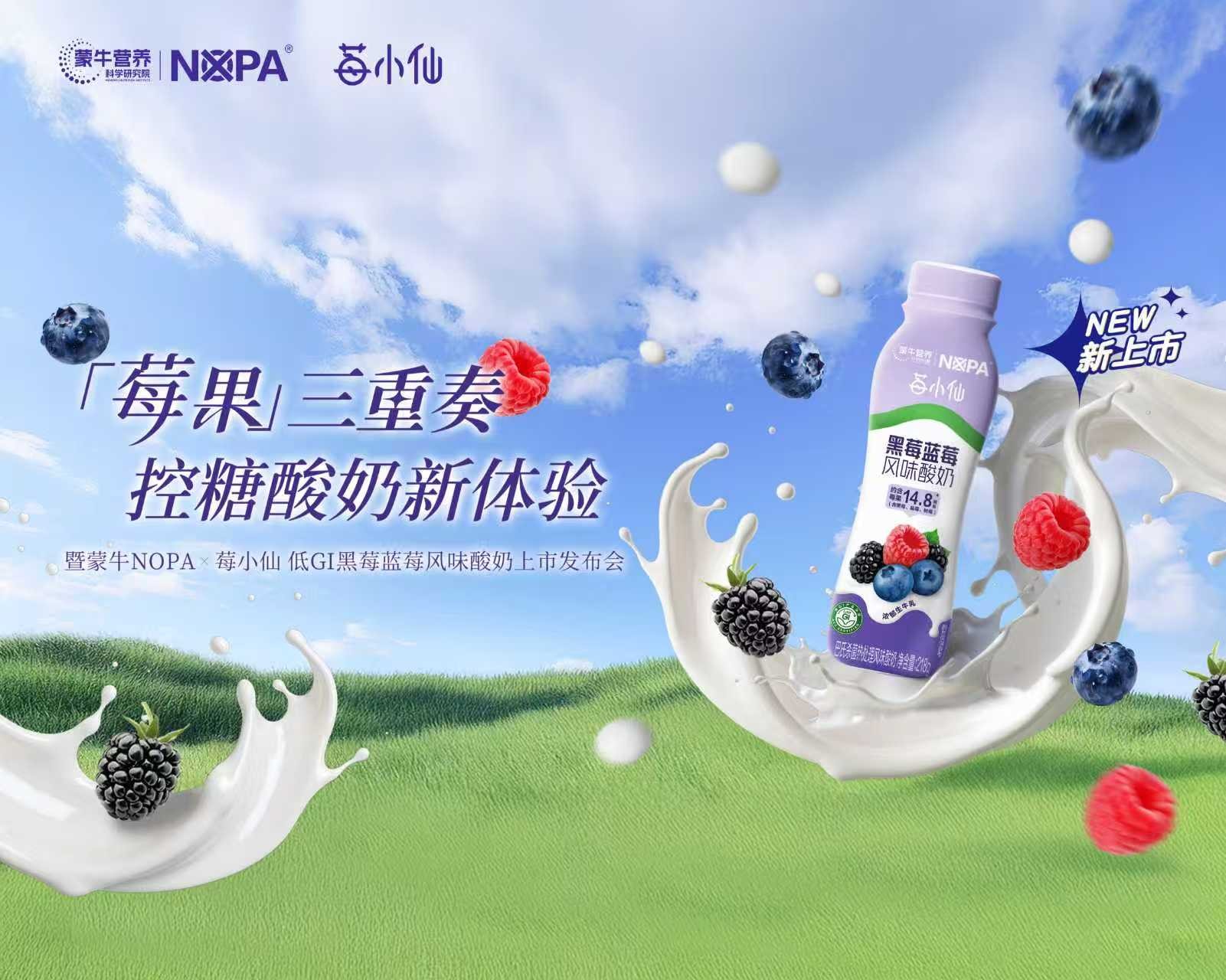
Core Viewpoint - Blueglass, once regarded as the "Hermès of yogurt," has significantly reduced its prices, with some products now priced as low as 22.9 yuan, reflecting a drop of over 50% from its original price of 49 yuan, indicating a struggle in the high-end yogurt market amid tightening regulations and increased competition [1][4][6]. Pricing Strategy - The brand has adopted a dual pricing strategy, offering lower prices online while maintaining higher prices in physical stores, revealing its dilemma between attracting price-sensitive consumers and preserving its premium image [4][10]. - The drastic price cuts are seen as a potential move towards "democratization" of the brand, suggesting a shift in strategy to appeal to a broader audience [4][7]. Financial and Investment Context - Blueglass's parent company, Beijing Yuehuo Catering Management Co., has not secured new capital since completing its A and B rounds of financing in 2020 and 2021, raising concerns about its financial stability, especially as the ready-to-drink yogurt sector attracts more investment [4][6]. Market Challenges - The high-priced yogurt business model faces inherent challenges, including high marketing and rental costs that overshadow raw material expenses, and a declining consumer trust in the health premium associated with yogurt products [6][10]. - The ready-to-drink yogurt market is experiencing intense competition, with many brands offering similar products, leading to significant product homogenization [6][10]. Brand Controversies - Blueglass has faced multiple controversies, including fines for inappropriate advertising and misleading health claims, which have damaged its reputation and highlighted its reliance on aggressive marketing strategies [7][10]. - The brand's marketing tactics have been criticized for being out of sync with its stated health-oriented values, leading to public backlash [7][10]. Consumer Perception - Consumers are increasingly questioning the value of paying high prices for yogurt, with many seeking better price-performance ratios, which poses a challenge for Blueglass in maintaining its premium pricing strategy [10][11]. - The shift in consumer behavior from buying based on concepts to valuing tangible benefits indicates that Blueglass must focus on rebuilding trust and enhancing product quality to sustain its market position [10][11].
网红酸奶Blueglass“自降身价”,部分产品断崖降价
Nan Fang Du Shi Bao· 2025-11-18 08:24
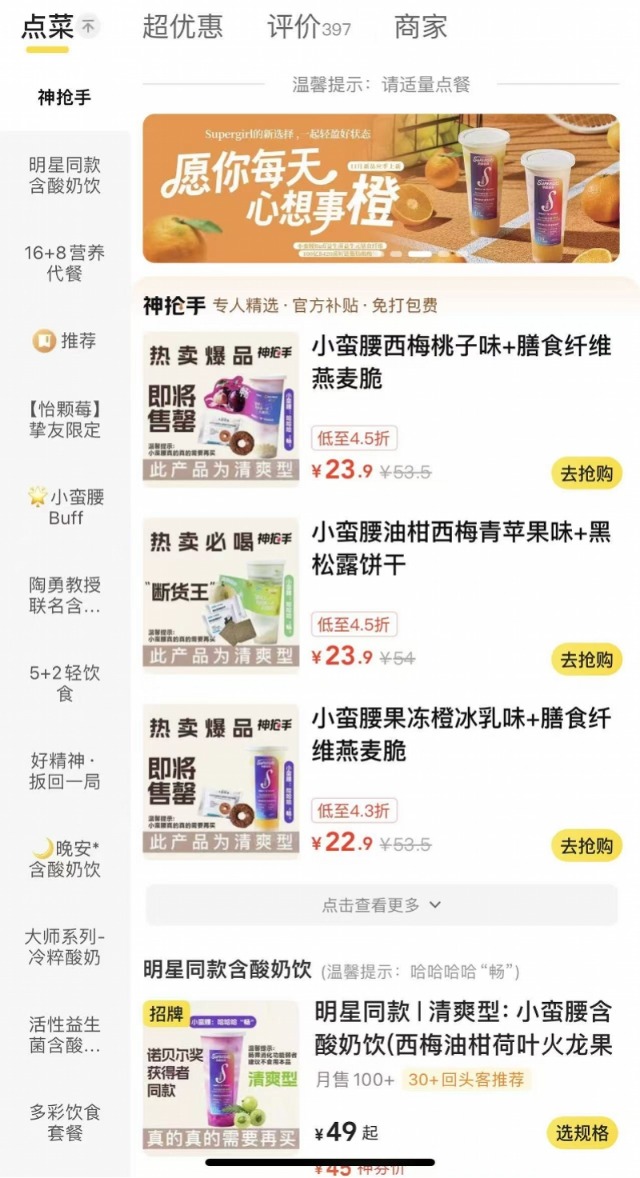
Core Viewpoint - Blueglass, once considered a premium yogurt brand, has significantly reduced its prices, reflecting challenges in the high-end yogurt market amid increased competition and regulatory scrutiny [1][4][6] Pricing Strategy - Blueglass has lowered prices of some products to as low as 22.9 yuan, representing a drop of over 50% from the original price of 49 yuan [1] - The brand's dual pricing strategy, with lower online prices compared to offline, indicates a struggle to attract price-sensitive consumers while maintaining a premium image [4] Market Position and Challenges - The parent company of Blueglass has not secured new capital since 2021, raising concerns about its growth prospects in a capital-favored market for fresh yogurt [4] - The high-end yogurt market is experiencing intense competition, leading to product homogenization and questioning the value proposition of premium pricing [6][11] Controversies and Regulatory Issues - Blueglass has faced multiple regulatory penalties for misleading advertising, including a fine of 450,000 yuan for inappropriate marketing language [7] - Previous fines for false claims about health benefits highlight the brand's reliance on aggressive marketing strategies that have backfired [7] Consumer Perception and Trust - The brand's health narrative is facing skepticism as consumers demand transparency regarding ingredient sourcing and pricing [11] - The shift in consumer behavior from paying for concepts to seeking value poses a significant challenge for Blueglass, which must rebuild trust and focus on product quality [11][12] Business Model and Operational Strategy - Blueglass strategically locates its stores near premium brands like Starbucks and Lululemon to target a specific demographic, but this has led to high operational costs [8] - The brand's marketing approach, heavily reliant on social media, has not effectively translated into sustained consumer loyalty or sales [7][11] Industry Outlook - The fresh yogurt market continues to grow, but brands must adapt to changing consumer preferences that prioritize value over brand prestige [11][12] - Blueglass's recent price cuts may provide a temporary sales boost, but long-term success will depend on restoring consumer confidence and enhancing product integrity [11]
2025年中国酸奶行业市场政策、产业链、发展现状、竞争格局及发展趋势研判:低糖、低脂、高钙、富含益生菌等功能性产品更受消费者青睐[图]
Chan Ye Xin Xi Wang· 2025-06-17 01:34
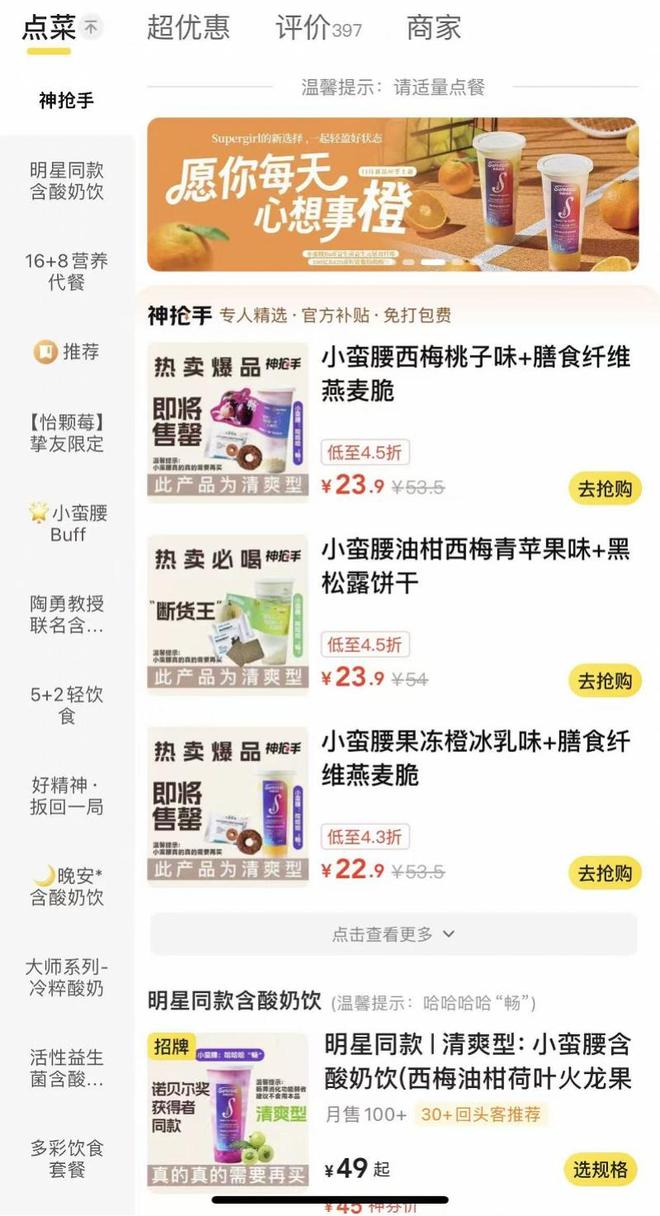
Overview - The yogurt market in China is experiencing a decline in demand due to macroeconomic factors and decreased consumer confidence, with yogurt demand expected to drop to 7.284 million tons in 2024, a year-on-year decrease of 6.55% [1][13] - The market size is projected to fall to 99.874 billion yuan, a decrease of 9.02% year-on-year, while consumers are increasingly seeking functional yogurts that are low in sugar, low in fat, high in calcium, and rich in probiotics [1][13] Market Policies - A series of policies have been implemented to support the revitalization of the dairy industry in China, including the "14th Five-Year Plan" for enhancing dairy competitiveness and various guidelines aimed at promoting high-quality development in the dairy sector [4][6] Industry Chain - The yogurt industry chain consists of upstream components such as milk sources (dairy cattle and sheep farming), auxiliary materials (sugar, fruit, etc.), production equipment, and packaging materials, while downstream includes sales channels like supermarkets, convenience stores, and e-commerce platforms [7][9] Upstream - The milk supply for the yogurt industry remains stable, with China's milk production reaching 41.967 million tons in 2023, a year-on-year increase of 6.74%, although it is expected to slightly decline to 40.79 million tons in 2024 [9] Downstream - The sales channels for yogurt are primarily offline, with supermarkets and convenience stores dominating, but online sales are growing, accounting for 15.8% of the market in 2024, driven by platforms like Tmall and JD.com [11] Competitive Landscape - The yogurt market in China is characterized by a "two giants leading, many strong competitors coexisting" structure, with Yili and Mengniu dominating in brand influence and market coverage, while other companies focus on niche markets and differentiated products [15][18] Company Analysis - Yili Group has successfully launched innovative products like the "Anmuxi" long shelf-life yogurt, increasing its market share by 1.4 percentage points, with total revenue projected at 115.8 billion yuan and a gross profit margin of 33.88% in 2024 [18] - Mengniu Dairy, with a diverse product range including high-end milk and yogurt, is expected to achieve total revenue of 88.67 billion yuan and a gross profit margin of 39.57% in 2024 [20] Development Trends - The future of the yogurt market will see a rise in demand for functional yogurts that are low in sugar and fat, as well as organic and natural products, with innovative flavors and plant-based options gaining popularity [22]