区域酒企发展

Search documents
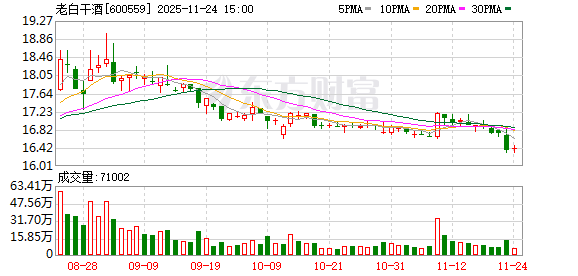
老白干酒:公司5家白酒企业均是地方区域酒企
Zheng Quan Ri Bao· 2025-11-24 13:41
Core Viewpoint - The company is focusing on regional market development while gradually expanding into provinces outside its primary area, leveraging its advantages in various regional markets to optimize resource allocation and enhance sales channels [2] Group 1: Market Strategy - The company operates five local white liquor enterprises, each concentrating on its respective regional market [2] - The company has established sales networks in most provinces across the country, facilitating effective integration and sharing of sales channels [2] - The company is enhancing brand and channel development to compete with leading liquor brands as market competition intensifies [2] Group 2: Financial Management - The company is increasing market investment while implementing strict budget management and detailed cost control [2] - Monthly analysis of sales expenses is conducted to ensure the most effective use of sales costs [2] - The company emphasizes regulatory oversight and performance assessment to rationally control costs and improve profitability [2] Group 3: Corporate Governance - Stock buybacks are considered significant corporate actions, and the company will fulfill information disclosure obligations as required for any related matters [2]


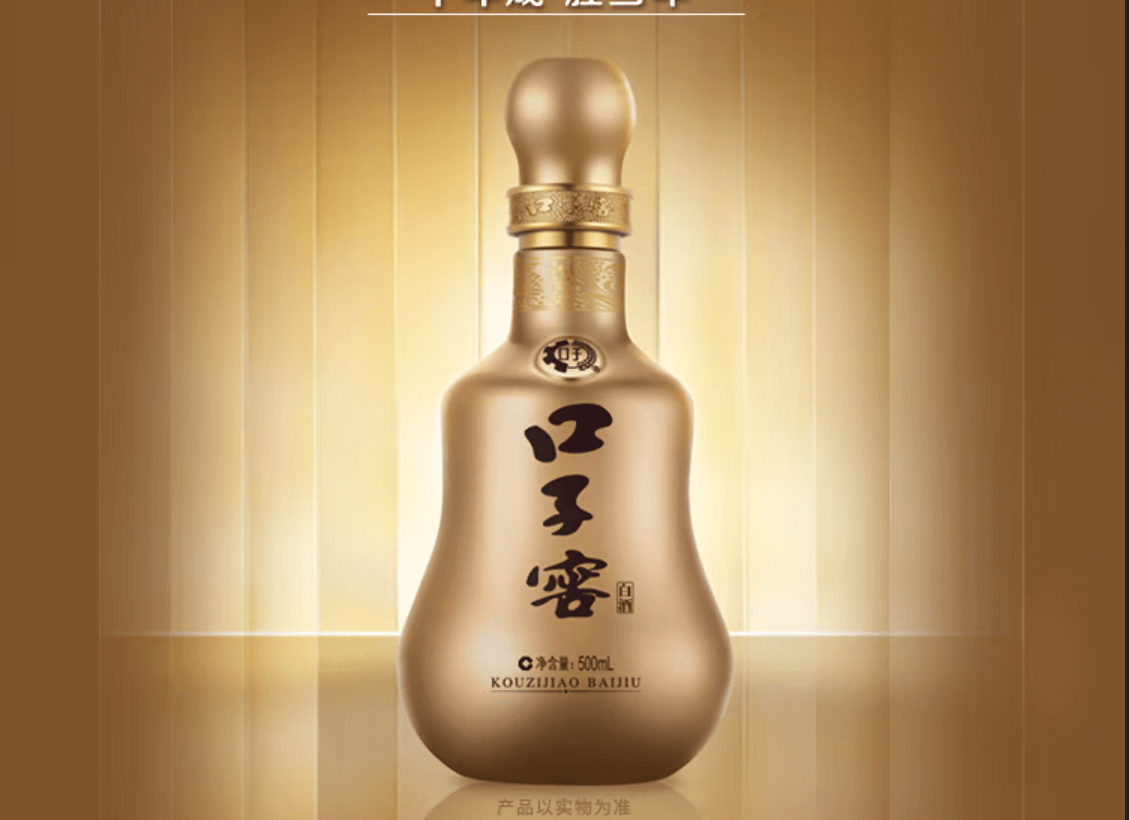
区域名酒的困局:口子窖上半年“盈利双降”,高档白酒下滑19.80%,省内市场占比超八成
Sou Hu Cai Jing· 2025-08-21 11:40
Core Viewpoint - The company reported a significant decline in both revenue and net profit for the first half of 2025, reflecting challenges in the regional liquor market and the need for new growth avenues [2][4][6]. Financial Performance - For the first half of 2025, the company achieved revenue of 2.531 billion yuan, a year-on-year decrease of 20.07%, and a net profit attributable to shareholders of 715 million yuan, down 24.63% [4][5]. - In Q2 2025, revenue dropped to 721 million yuan, a decline of 48.48%, while net profit fell sharply by 70.91% to 105 million yuan [11][12]. - The company's cash flow from operating activities was negative 383 million yuan, a drastic decline of 9854.35% compared to the previous year [7][8]. Product Performance - High-end liquor sales accounted for nearly 96% of the company's revenue, with high-end product sales down 19.80% to 2.385 billion yuan [14][17]. - Mid-range and low-end products also saw declines, with revenues of 323 million yuan and 681 million yuan, down 10.82% and 2.59% respectively [15][18]. Market Dynamics - The liquor industry is experiencing market differentiation and channel changes, with overall production and sales growth slowing down due to economic downturns and low consumer demand [4][6]. - The company heavily relies on its home market in Anhui, with 84.54% of its revenue coming from this region, and sales in Anhui and outside Anhui both declined by approximately 19% [20][21]. Strategic Challenges - Experts suggest that the company faces multiple internal challenges, including outdated product strategies, channel profit issues, and an aging distribution system [23]. - The company needs to adapt its product offerings to align with changing consumer preferences, particularly in the mid-range price segment [18][12].