医保监管

Search documents
以有力监管守护群众“看病钱”
Xin Lang Cai Jing· 2026-01-19 18:10
Core Insights - The article highlights the efforts of Xining City's Chengxi District Discipline Inspection Commission in enhancing the management of medical insurance funds through a special rectification initiative, recovering a total of 2.0127 million yuan in misappropriated funds and penalties by 2025 [1] Group 1: Supervision and Collaboration - The Chengxi District has established a collaborative mechanism between government oversight and social supervision, forming a team of social supervisors for medical insurance funds [1] - Over 2,550 mutual recognitions of inspection results have been conducted, saving the public over 393,000 yuan in costs [1] - An investment of 788,000 yuan has been made to integrate an intelligent medical insurance supervision system into local livelihood projects, ensuring comprehensive oversight of designated medical institutions [1] Group 2: Political Supervision and Coverage - The commission has strengthened political supervision by implementing targeted deployments and leadership responsibilities, successfully including five village health clinics as designated medical insurance providers, achieving full coverage at the village level [1] - The mobilization for insurance participation has been effectively advanced, with 94,700 urban and rural residents enrolled for the 2026 medical insurance, leading to the highest participation rate in Xining City [1] Group 3: Enforcement and Accountability - The Chengxi District maintains a "zero tolerance" approach towards violations, intensifying the investigation of cases to ensure the safety of medical insurance funds [1] - Since last year, 15 problem leads in the medical field have been investigated, resulting in 15 cases filed, nine individuals receiving disciplinary actions, and three disciplinary inspection recommendations issued [1]
太原药店迎来关闭潮,释放出了什么信号?实体经济该如何来破局
Sou Hu Cai Jing· 2026-01-09 09:14
Core Insights - The article highlights a significant increase in the closure rate of retail pharmacies in Taiyuan, with some areas experiencing over 50% closure rates due to various market pressures [1][3]. Group 1: Closure Rates and Statistics - In 2024, approximately 39,000 retail pharmacies are expected to close nationwide, with a closure rate of 5.7%, averaging 107 closures per day [3]. - By the first three quarters of 2025, over 40,000 pharmacies have already closed, with predictions of 50,000 to 100,000 closures by the end of that year [3]. Group 2: Reasons for Decline in Pharmacy Business - Market saturation is a primary factor, with Taiyuan having around 2,585 registered pharmacies for a population of approximately 4.5 million, equating to about 1,700 people per pharmacy, leading to significant competition and pressure on community pharmacies [7]. - The rise of online pharmaceutical sales has significantly impacted brick-and-mortar pharmacies, with online sales increasing from 15% in 2019 to 33% in 2023, and now exceeding 50%, making online options more attractive due to lower prices [9]. - Stricter regulations from the healthcare department starting in 2024 have further reduced profit margins for physical pharmacies, compounded by national policies that have lowered drug prices, particularly for those covered by insurance [9]. Group 3: Strategies for Survival - To adapt, businesses must focus on attracting customers, enhancing in-store experiences, offering comprehensive solutions rather than just products, and managing costs flexibly [11]. - Specific strategies include utilizing local online marketing, improving store ambiance, hosting interactive events, and implementing dynamic staffing based on customer traffic patterns [11].


医药管理“组合拳”提升群众幸福感
Xin Lang Cai Jing· 2026-01-06 19:29
Group 1 - The core viewpoint of the articles highlights the efforts of Qinghai Province's Medical Insurance Bureau to enhance the accessibility and affordability of healthcare for insured individuals during the 14th Five-Year Plan period [1][2] Group 2 - Qinghai has dynamically adjusted its medical insurance drug list, incorporating 387 national negotiated drugs and competitive drugs into a "dual-channel" guarantee system to improve patient access to medications [1] - An additional 150 types of Tibetan medicinal herbs have been included in the medical insurance payment scope, making a total of 531 types and 3200 items available [1] - The province has included 499 ethnic medical diagnosis and treatment projects in the medical insurance payment scope, achieving an inclusion rate of 88% [1] - 127 surgical procedures have been added to the day surgery settlement range without a threshold, reimbursed according to inpatient policies [1] - Six specific Tibetan and Chinese medicine advantageous disease categories have been included in the day ward medical insurance settlement, with no bed fees charged for hospitalization and nursing fees set at 50% of the standard for tertiary care [1] Group 3 - The province has integrated village health clinics into the medical insurance designated point system, with 4343 out of 4469 clinics now covered, ensuring basic coverage for all administrative villages [2] - A smart regulatory system for medical insurance has been established to enhance early detection and management of illegal activities [2] - The province has optimized the cross-regional medical treatment registration service, allowing for online registration through WeChat mini-programs and the Qinghai Medical Insurance App, effectively eliminating the need for in-person registration [2] - The direct settlement channel has been established to resolve issues related to insured individuals having to pay upfront for services [2]
从37.87万到41.02万参保人背后的德城医保“答卷”
Qi Lu Wan Bao· 2025-12-30 13:54
Core Viewpoint - The Decheng District Medical Security Bureau has made significant achievements in medical insurance development during the "14th Five-Year Plan" period, focusing on enhancing the health and well-being of the people, ensuring basic coverage, sustainability, and reform [1] Group 1: Universal Coverage and Fairness - The district aims to build a fair and adequate medical insurance system, achieving a steady increase in the number of insured individuals from 378,700 at the end of the "13th Five-Year Plan" to 410,200 by 2025, maintaining a high coverage rate [2] - The implementation of a unified treatment guarantee policy ensures fairness in benefits, with improvements in the basic medical insurance coverage for both employees and residents [2] - The introduction of outpatient insurance for employees marks a historic leap, with significant increases in annual payment limits, and the optimization of outpatient medication guarantees for chronic diseases [2] Group 2: Reform and Collaborative Governance - The district has initiated payment method reforms, including the Disease-Related Group (DRG) payment model, which has transformed the distribution of medical insurance funds and encouraged cost control in medical institutions [3] - The implementation of centralized procurement for drugs and medical supplies has led to an average price reduction of over 50%, saving patients over 300 million yuan in drug costs during the "14th Five-Year Plan" [3] - The establishment of a dual-channel management system ensures the accessibility of negotiated drugs and major disease medications, enhancing patient access to necessary treatments [3] Group 3: Service Optimization and Accessibility - A three-tiered medical insurance service network has been established, with 185 standardized service stations, facilitating local access to high-frequency services [4] - Breakthroughs in cross-regional medical settlement have been achieved, including the elimination of provincial registration procedures, greatly enhancing convenience for patients seeking care outside their home regions [4] - The integration of "Internet + Medical Insurance" has led to the promotion of electronic medical insurance certificates, streamlining the process for insured individuals [4] Group 4: Strengthening Regulation and Risk Prevention - The district prioritizes the safety of medical insurance funds, establishing a comprehensive regulatory framework that includes government oversight, social supervision, and industry self-discipline [5] - A high-pressure approach to fund supervision has resulted in strict actions against 146 non-compliant medical institutions, recovering 8.4428 million yuan in misused funds [5] - The use of technology, including big data analysis, is being explored to enhance non-site supervision capabilities and improve the precision of regulatory actions [6]
别让“阴阳价格”蚕食医保公信力
Jing Ji Ri Bao· 2025-10-30 22:14
Core Viewpoint - The National Healthcare Security Administration (NHSA) has issued a notice to strengthen monitoring and handling of the "dual pricing" issue in retail pharmacies, which harms the interests of insured patients [1][2]. Group 1: Issue of "Dual Pricing" - "Dual pricing" refers to the practice where the same medication is sold at different prices to insured and uninsured individuals, often resulting in higher costs for insured patients [1]. - Some pharmacies justify this practice by citing long reimbursement cycles and financial pressures, leading to a transfer of costs to insured patients [1]. - The existence of "dual pricing" reflects speculative behavior among certain operators, exacerbated by limited information transparency and weak penalties for violations [1]. Group 2: Regulatory Measures - The NHSA aims to shift from passive detection to proactive monitoring using big data, intelligent pricing systems, and anomaly warning models to identify and punish violations promptly [1]. - There is a need for simultaneous optimization of the reimbursement mechanism to alleviate financial burdens on small pharmacies, alongside incentives for compliant pharmacies [2]. - Establishing a reporting reward mechanism and price comparison platforms will empower patients to advocate for their rights and enhance social oversight [2]. Group 3: Public Engagement - The public plays a crucial role as both stakeholders and supervisors in addressing the "dual pricing" issue [2]. - As of now, 29 provinces have launched price comparison mini-programs, allowing citizens to check real-time prices and differences between pharmacies, promoting transparency in healthcare spending [2].
筑牢医保数据质量防线
Sou Hu Cai Jing· 2025-09-30 07:54
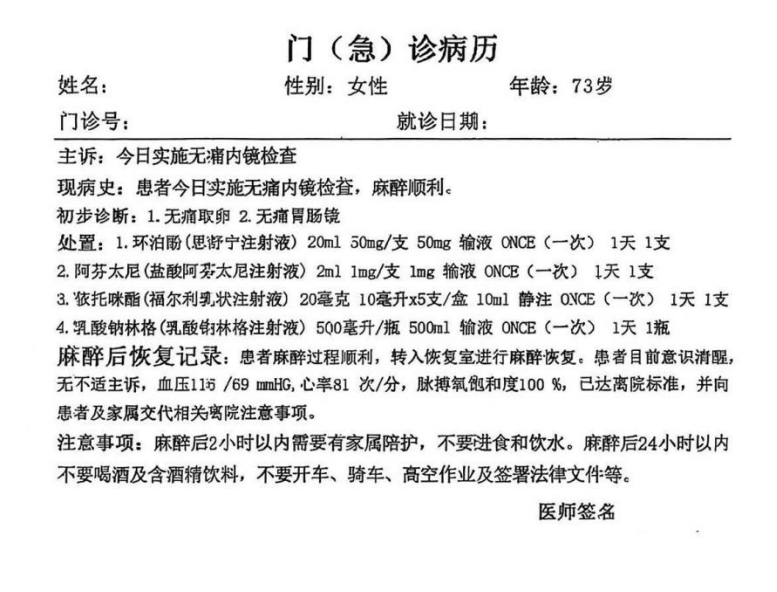
Core Viewpoint - The recent cases of abnormal data in the healthcare system highlight the critical importance of data quality in ensuring the effective operation of medical insurance funds, which are essential for public health [1][5]. Group 1: Data Quality Issues - Numerous bizarre medical practices, such as a 73-year-old woman undergoing "painless egg retrieval" and male patients having hysteroscopy billing records, were identified as results of poor data quality management [1][5]. - The National Healthcare Security Administration (NHSA) has utilized a unified medical insurance information platform to identify and address these abnormal data cases, showcasing the empowering role of data in regulatory oversight [1][5]. Group 2: Implications of Data Errors - Errors in medical insurance data can trigger regulatory alarms and lead to on-site inspections, resulting in increased management costs for both regulatory bodies and medical institutions [5][7]. - The integrity of medical insurance funds, which are considered "lifesaving money" for the public, relies heavily on the quality of data management by designated medical institutions [5][7]. Group 3: Responsibilities and Recommendations - Designated medical institutions are urged to take primary responsibility for data quality, ensuring accurate reporting and ongoing verification to eliminate data risks at the source [7]. - Healthcare departments are encouraged to enhance their technical capabilities, implement intelligent monitoring and cross-verification mechanisms, and increase penalties for violations to ensure the proper functioning of medical insurance funds [7].
智能审核:重塑医保监管生态提升医保服务质效
Sou Hu Cai Jing· 2025-09-03 12:34
Core Viewpoint - The article emphasizes the importance of regular supervision of medical insurance funds to ensure their safe operation, improve usage efficiency, standardize medical service behaviors, and reduce the burden on patients seeking medical care. Traditional regulatory methods are inadequate in addressing new types of violations arising from reforms in medical insurance payment methods, necessitating a shift towards intelligent auditing using big data and smart technologies [1][2][3]. Group 1: Development of Intelligent Auditing - The development of intelligent auditing has been guided by policies since 2018, with significant milestones including the promotion of real-time monitoring and strict regulation of medical behaviors [2]. - By 2023, the National Medical Insurance Administration aims to implement a nationwide intelligent monitoring system, with a goal of establishing a standardized and scientific auditing framework by the end of 2025 [2][3]. Group 2: Features of Intelligent Auditing System - The intelligent auditing system features a layered architecture that integrates diverse data sources, enabling real-time analysis and monitoring of medical expenses [4]. - A dynamic and flexible rule engine is central to the system, allowing for the adaptation of auditing rules based on evolving medical policies and practices [5]. Group 3: Impact on Medical Insurance Regulation - The intelligent auditing system significantly enhances the efficiency of medical insurance regulation, processing over 20 million cases daily with an accuracy rate exceeding 92% [7]. - It establishes unified standards and objective rules, improving the credibility and authority of medical insurance oversight [7]. Group 4: Governance and Collaboration - The system promotes a shift from external control to internal motivation for compliance among medical institutions, encouraging proactive adherence to regulations [8]. - It fosters a collaborative governance model where feedback from medical institutions can lead to the dynamic updating of rules, enhancing the system's accuracy and inclusivity [8]. Group 5: Enhancing Service Quality - Intelligent auditing improves settlement efficiency for insured individuals, enhancing their sense of satisfaction and security regarding medical services [10]. Group 6: Future Outlook - There is a need for improved policy interpretation and training for medical staff to ensure a better understanding of auditing rules and standards [11]. - Emphasis on data security and privacy protection is crucial, given the sensitive nature of medical insurance data [13]. - The establishment of relevant laws and regulations is necessary to support the legal and compliant application of intelligent auditing technologies [14].