
医保基金管理

Search documents
以有力监管守护群众“看病钱”
Xin Lang Cai Jing· 2026-01-19 18:10
Core Insights - The article highlights the efforts of Xining City's Chengxi District Discipline Inspection Commission in enhancing the management of medical insurance funds through a special rectification initiative, recovering a total of 2.0127 million yuan in misappropriated funds and penalties by 2025 [1] Group 1: Supervision and Collaboration - The Chengxi District has established a collaborative mechanism between government oversight and social supervision, forming a team of social supervisors for medical insurance funds [1] - Over 2,550 mutual recognitions of inspection results have been conducted, saving the public over 393,000 yuan in costs [1] - An investment of 788,000 yuan has been made to integrate an intelligent medical insurance supervision system into local livelihood projects, ensuring comprehensive oversight of designated medical institutions [1] Group 2: Political Supervision and Coverage - The commission has strengthened political supervision by implementing targeted deployments and leadership responsibilities, successfully including five village health clinics as designated medical insurance providers, achieving full coverage at the village level [1] - The mobilization for insurance participation has been effectively advanced, with 94,700 urban and rural residents enrolled for the 2026 medical insurance, leading to the highest participation rate in Xining City [1] Group 3: Enforcement and Accountability - The Chengxi District maintains a "zero tolerance" approach towards violations, intensifying the investigation of cases to ensure the safety of medical insurance funds [1] - Since last year, 15 problem leads in the medical field have been investigated, resulting in 15 cases filed, nine individuals receiving disciplinary actions, and three disciplinary inspection recommendations issued [1]
内蒙古扎兰屯市联合开展药品“阴阳价格”突击检查
Xin Lang Cai Jing· 2026-01-04 06:34
Core Viewpoint - The Inner Mongolia Zhalantun City Market Supervision Administration has initiated a special rectification action to ensure fair drug pricing and the safety of medical insurance funds through a combination of self-inspection and surprise checks [1][2] Group 1: Special Inspection Action - The special inspection focuses on prominent issues, deploying four inspection teams to cover all 125 designated medical insurance pharmacies in the city [1] - The inspection examines two main types of violations: discrepancies between drug price tags and actual medical insurance billing records, and the improper inclusion of non-medical insurance items in medical insurance settlements [1] Group 2: Findings and Measures - During the inspections, some pharmacies were found to have non-compliant price displays and mismatched prices, leading to on-site rectification orders with a mechanism established for follow-up checks [1] - As of now, no instances of "dual pricing" or the swapping of daily necessities for drugs have been found in the designated pharmacies within Zhalantun City [1] Group 3: Future Actions - The Market Supervision Administration plans to maintain the results of the special inspections by establishing a regular joint patrol mechanism, combining surprise checks with ongoing management to effectively safeguard the safety of public medication and medical devices [2]
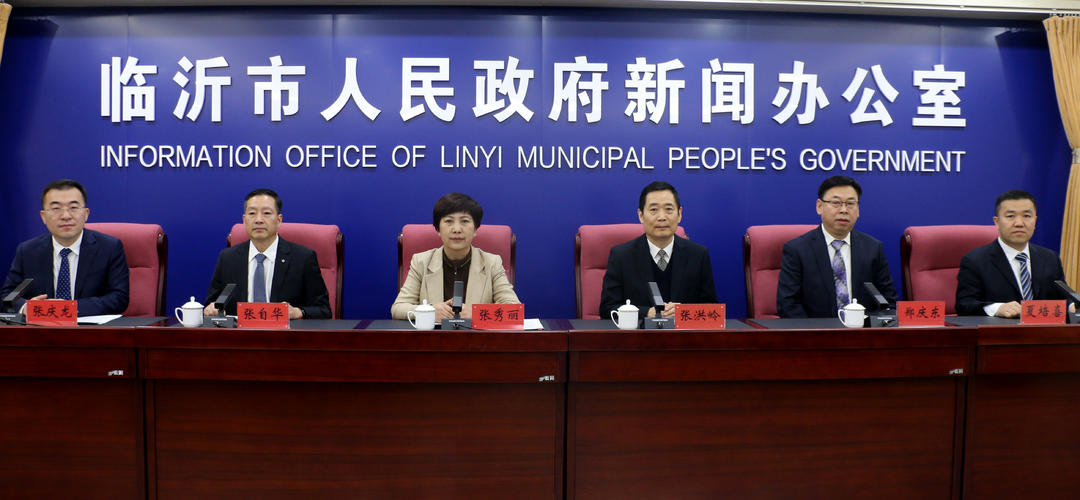
参保率95%以上,临沂各级财政补助居民参保投入252.51亿
Qi Lu Wan Bao· 2025-12-27 10:05
Core Viewpoint - The Linyi Municipal Government has made significant progress in enhancing the medical insurance system during the "14th Five-Year Plan" period, focusing on ensuring basic medical coverage, promoting reforms, and improving service quality [2][3][4]. Group 1: Medical Insurance Coverage - The basic medical insurance coverage rate in Linyi has remained stable at over 95%, with a total of 252.51 billion yuan invested by various levels of government to support resident insurance [3][4]. - The reimbursement rates for inpatient expenses under employee and resident medical insurance are maintained at 80% and 65%, respectively [3]. Group 2: Medical Assistance and Support - A total of 348.97 million medical assistance cases were recorded, alleviating medical expenses by 14.51 billion yuan during the "14th Five-Year Plan" period [3]. - The reimbursement standard for insured residents' hospital deliveries has been increased to 3,000 yuan, with a 100% reimbursement rate for insured employees [3]. Group 3: Medical Insurance System Reform - Linyi has implemented a centralized procurement policy for drugs and medical consumables, executing 890 types of procured drugs and 40 categories of medical consumables [4]. - The city has conducted 18 price adjustments for medical service projects, reducing prices for 346 items to ease the financial burden on residents [4]. Group 4: Service Improvement Initiatives - The city has launched a "city-wide handling" initiative for 27 medical insurance services, achieving seamless processing for registration and reimbursement [5]. - The direct settlement rate for medical expenses across provinces has improved to 91.96%, with a total of 4.11 billion yuan disbursed for maternity benefits [5]. Group 5: Fund Management and Efficiency - Over the past five years, the total expenditure of the medical insurance fund reached 795.14 billion yuan, benefiting 2.75 billion people [6]. - The city has implemented a prepayment system for qualified medical institutions, with 39.38 billion yuan disbursed as advance payments during the "14th Five-Year Plan" [6]. Group 6: Regulatory Enhancements - A joint meeting system for medical insurance fund supervision has been established, enhancing the regulatory framework and ensuring accountability [7]. - During the "14th Five-Year Plan" period, the city recovered and refused payments amounting to 10.2 billion yuan due to violations of fund usage [7].

南京市高淳区:监督赋能 推动“沉睡”医保余额落地惠民
Xin Hua Ri Bao· 2025-12-22 22:10
Core Insights - The article highlights the efforts of the Nanjing Gaochun District Discipline Inspection Commission in addressing issues related to the management of medical insurance funds, particularly focusing on the retrieval of unused balances from deceased individuals' accounts [1][2][3] Group 1: Medical Insurance Fund Management - The Gaochun District has implemented a data-driven supervision model to identify deceased individuals with active medical insurance accounts, leading to the discovery of 38 cases of potential fund misuse [1] - A total of 25 cases were confirmed where family members improperly used the deceased's medical insurance cards for purchases [1][2] Group 2: Policy Implementation and Community Impact - The district has established a special supervision team to address issues related to the retrieval of medical insurance account balances, successfully recovering over 8,000 yuan from involved medical practitioners [2] - The district has cleared over 510,000 yuan from deceased individuals' medical insurance accounts, benefiting more than 300 residents [3] Group 3: Enhancements in Medical Service and Compliance - The Gaochun District is promoting strict identity verification during medical service usage to prevent fraudulent activities, ensuring that the identity of the patient matches the medical insurance card [3] - The district has initiated public awareness campaigns to simplify the process for retrieving balances from deceased individuals' accounts, aiming to enhance community engagement and satisfaction [3]
陕西宝鸡系统整治医保基金管理领域突出问题得意之笔丨守好群众“看病钱”
Zhong Yang Ji Wei Guo Jia Jian Wei Wang Zhan· 2025-12-22 00:01
Core Viewpoint - The Baoji Municipal Commission for Discipline Inspection and Supervision is intensifying the management of medical insurance funds, addressing issues such as fraud and mismanagement, to enhance the quality of medical services and ensure public satisfaction with healthcare [2][4][12]. Group 1: Medical Insurance Fund Management - The Baoji Municipal Commission is focusing on rectifying issues in the medical insurance fund management sector, including fraud and corruption, to safeguard public health funds [2][4]. - A collaborative mechanism has been established between the Commission and relevant departments to enhance information sharing and joint investigations, resulting in the transfer of 113 problem clues to functional departments [5][13]. - As of November, 209 cases related to medical insurance fund management have been processed, with 170 cases filed and 102 individuals disciplined [5][12]. Group 2: Oversight and Accountability - The Commission has conducted thorough investigations into over 30 public medical institutions for issues like duplicate and excessive charges, leading to disciplinary actions against involved personnel [4][5]. - A data-driven approach has been implemented to identify irregularities in medical billing, resulting in significant findings at a major hospital [4][5]. - The Commission emphasizes the importance of continuous supervision and accountability in managing medical insurance funds to prevent misuse and ensure funds are used effectively [12][14]. Group 3: Improvement of Medical Services - The introduction of convenient services like bedside billing has been implemented to streamline the discharge process for patients, enhancing their overall experience [9][10]. - The average retail price of commonly used medications has decreased by approximately 15%, and the average hospitalization cost per patient has dropped by about 10.5% [9][10]. - The Baoji Municipal Government is encouraging rural collective economic organizations to assist in covering medical insurance costs for residents, thereby alleviating financial burdens [10][12]. Group 4: Systematic Reforms and Future Directions - The Commission is committed to integrating reforms with case investigations to address systemic issues in medical insurance fund management [14]. - A focus on collaborative governance among various departments is essential for effective oversight and management of medical insurance funds [13][14]. - Continuous efforts will be made to identify and rectify loopholes in the system to ensure that medical insurance funds are utilized for the benefit of public health [12][14].
国家医保局:对倒卖“回流药”等违法违规使用医保基金行为零容忍
Ren Min Wang· 2025-12-13 11:51
Core Points - The National Medical Insurance Work Conference was held to summarize the work during the 14th Five-Year Plan and to outline plans for 2026 [1] - The conference emphasized the need to combat corruption in the medical field and to address issues related to improper practices affecting the public [1] - A total of approximately 120 billion yuan in medical insurance funds has been recovered over the past five years [1] - The implementation of drug traceability codes has led to the collection of over 100 billion codes, aiding in the crackdown on illegal activities such as the resale of "returned drugs" [1] Summary by Categories - **Corruption and Improper Practices** - The conference highlighted the ongoing efforts to address corruption and improper practices in the medical sector, with a focus on protecting public health rights [1] - **Financial Recovery and Management** - Approximately 120 billion yuan in medical insurance funds has been recovered through targeted management and oversight initiatives over the last five years [1] - **Regulatory Measures and Future Plans** - For 2026, there will be an increase in flying inspections to cover all regions and fund usage entities, particularly targeting areas with high out-of-pocket expenses for patients [1] - The conference reiterated a zero-tolerance policy towards illegal use of medical insurance funds, including the resale of "returned drugs," with strict penalties for violations [1]
国家医保局:5年追回医保资金约1200亿元
Zhong Guo Jing Ying Bao· 2025-12-13 10:45
Core Insights - The National Medical Insurance Administration (NMIA) reported the recovery of approximately 120 billion yuan in medical insurance funds over the past five years [1] - The "14th Five-Year Plan" period has seen significant progress in the development of medical insurance [1] - NMIA is actively addressing corruption in the medical field and has implemented strict management measures for medical insurance funds [1] Group 1: Fund Recovery and Management - NMIA has recovered a total of about 120 billion yuan in medical insurance funds over the last five years [1] - The administration has conducted comprehensive "four not two direct" inspections, achieving nationwide coverage across all provinces [1] - There has been an innovative implementation of drug traceability codes, with over 100 billion codes collected to combat illegal activities such as the resale of "returned drugs" [1] Group 2: Future Plans and Regulations - In 2026, NMIA aims to strengthen the management of medical insurance funds and ensure the safety of these funds [1] - The administration plans to increase the intensity of inspections, covering all coordinated areas and various fund usage entities [1] - NMIA will adopt a zero-tolerance policy towards illegal activities involving the misuse of medical insurance funds, including the resale of "returned drugs" [1]
国家医保局:“十四五”时期共追回医保资金约1200亿元
Mei Ri Jing Ji Xin Wen· 2025-12-13 04:06
Core Insights - The National Medical Insurance Administration announced a focus on combating corruption in the pharmaceutical sector and addressing improper practices related to medical insurance during the 14th Five-Year Plan period [1] - A total of approximately 120 billion yuan in medical insurance funds has been recovered over the past five years [1] - The implementation of innovative drug traceability code collection and regulatory applications has led to the accumulation of over 100 billion traceability codes, effectively combating illegal activities such as the resale of "returned drugs" to defraud medical insurance funds [1] Group 1 - The national medical insurance work conference emphasized the need for concentrated rectification of corruption and improper practices in the medical field [1] - The initiative includes comprehensive "four not two direct" flying inspections to achieve nationwide coverage across all provinces [1] - The recovery of 120 billion yuan in medical insurance funds highlights the effectiveness of the ongoing efforts in the sector [1] Group 2 - The innovative approach to drug traceability has resulted in the collection of over 100 billion traceability codes [1] - This regulatory measure is aimed at curbing illegal activities that exploit the medical insurance system [1] - The focus on drug traceability is part of a broader strategy to enhance the integrity of the medical insurance fund management [1]
居民50元职工150元,河南新乡门诊医保报销每日限额,官方回应
Di Yi Cai Jing· 2025-11-10 10:11
Group 1 - The core issue is the implementation of daily reimbursement limits for medical insurance in Xinxiang, with residents capped at 50 yuan and employees at 150 yuan, effective from June 13, 2025 [2][4] - The Xinxiang Medical Insurance Bureau stated that without these limits, the insurance fund could face a deficit by the end of the year, emphasizing the need for efficient fund management [4][6] - The adjustment aims to prevent fraud in the medical insurance system and to standardize medical practices in hospitals and clinics, with the bureau asserting that typical outpatient expenses are around 100 to 200 yuan per visit [7] Group 2 - The bureau clarified that the new limits are not indicative of a funding shortfall but are a preventive measure against fraudulent claims [6][7] - Patients needing to exceed the daily limit are encouraged to self-pay the excess amount, as splitting large expenses over multiple days is not compliant with insurance regulations [7]

广东征集医保基金管理突出问题线索 举报人最高可获奖励20万元
Guang Zhou Ri Bao· 2025-10-15 08:01
Core Viewpoint - The Guangdong Provincial Medical Security Bureau has initiated a special action to combat fraud and illegal use of medical insurance funds, aiming to safeguard the integrity of the medical insurance fund and protect the rights of insured individuals [1] Group 1: Action Details - The special action, termed "Hundred-Day Action," will run from now until the end of December 2025, focusing on collecting clues related to prominent issues in medical insurance fund management [1] - Three main areas of concern for clue collection include: 1. Reselling of medical insurance "return drugs" 2. Excessive prescription of medications 3. Fraud related to maternity benefits [1] Group 2: Reporting and Rewards - The medical security administrative department will provide financial rewards to whistleblowers whose reports meet the criteria, with rewards ranging from a minimum of 200 yuan to a maximum of 200,000 yuan, based on the value of the case [1] - The specific implementation details for the reward system will refer to the local "Reporting Reward Implementation Rules" across the province [1]