南展西扩东进

Search documents
撬动“3.6亿人次”的大生意,冰雪经济“第二战场”来了
Mei Ri Jing Ji Xin Wen· 2026-02-12 10:49
Core Insights - The rise of Chengdu's ice and snow economy is highlighted by the success of athletes like Su Yiming and Gu Ailing, drawing attention to training facilities such as the Chengdu New District Sharp Peak Dry Snow Ski Resort [1] - Chengdu is positioning itself as a key player in China's ice and snow economy, with significant investments and developments in ice and snow sports facilities [2][3] Group 1: Chengdu's Ice and Snow Economy Development - Chengdu has unique natural resources and geographical advantages that support its ice and snow tourism, making it one of the most suitable cities in southern China for ice and snow sports [2] - The city has established various large-scale facilities, including Asia's largest indoor snow park and the country's largest dry ski jump, which attract both recreational and professional users [3] - The number of participants in ice and snow sports in Chengdu has exceeded 200 million, with a significant increase in professional training traffic, growing at an annual rate of over 30% [5] Group 2: Market Trends and Consumer Behavior - The ice and snow economy in China is expected to exceed 1 trillion yuan by 2025, with an estimated 360 million people participating in ice and snow tourism during the 2025-2026 season [1][7] - Southern cities, including Chengdu, are increasingly becoming popular destinations for ice and snow tourism, breaking the traditional northern dominance [10] - The demand for regional ice and snow tourism is rising, with 30.8% of respondents expressing interest in nearby ice and snow activities, the highest percentage recorded [7] Group 3: Infrastructure and Investment - Chengdu has built 18 ice and snow sports venues and over 60 winter project facilities, with plans to host at least 100 ice and snow events in 2026 [6][5] - Investment in the ice and snow economy is shifting, with southern regions like South China accounting for 30% of total investments, indicating a growing trend in indoor ice and snow facilities [9] - The development of indoor ski resorts is a significant growth point for the southern ice and snow economy, with substantial increases in related consumer spending [10] Group 4: Strategic Positioning and Future Outlook - The ice and snow economy is undergoing a spatial restructuring, with a new pattern emerging that includes collaboration between northern and southern regions [13] - The government is actively promoting the "Southward Expansion, Westward Extension, and Eastward Advancement" strategy to enhance the development of ice and snow sports across the country [12] - Chengdu's model of leveraging local resources and consumer demand is seen as a potential blueprint for other southern cities to develop their ice and snow economies [14]
视频丨冰雪“冷资源”如何持续释放“热效应”?“冰雪+”带来新活力
Yang Shi Xin Wen Ke Hu Duan· 2026-01-24 12:13
Core Insights - The rapid development of China's ice and snow industry has been significantly influenced by the call from President Xi Jinping in 2014 to engage 300 million people in ice and snow sports, culminating in record achievements at the 2022 Beijing Winter Olympics [2][28] - The trend of "ice and snow +" has led to the emergence of new business models and consumption patterns, integrating various sectors such as tourism, dining, and cultural experiences [4][9] Group 1: Ice and Snow Sports Development - The "ice and snow +" model has generated diverse new business formats and vibrant consumption in the ice and snow sector [2] - The integration of ice and snow sports with local tourism resources has resulted in the creation of premium tourism routes that combine skiing, hot springs, and cultural experiences [4] - The participation of southern tourists in ice and snow sports has become a significant trend, with over 50% of participants in northern ice and snow tourism destinations being from southern regions [16][30] Group 2: Infrastructure and Economic Growth - The number of indoor ski resorts in China has increased from 5 in the 2013-2014 season to 79 in the 2024-2025 season, primarily located in southern provinces [17] - The ice and snow industry in China has seen its total scale grow from 381.1 billion yuan in 2020 to 980 billion yuan in 2024, with an average annual growth rate of 26.6% [32] - The development of advanced ice and snow equipment has led to a significant reduction in costs and an increase in domestic production rates, enhancing the overall industry ecosystem [34][39] Group 3: Future Prospects and Strategies - The ice and snow tourism sector is projected to reach 360 million participants and generate 450 billion yuan in revenue by the 2025-2026 winter season [40] - Strategies to sustain the growth of the ice and snow economy include promoting diverse consumption scenarios, enhancing community engagement, and integrating technology and talent development [42][46] - The focus on creating unique local experiences and avoiding homogenized competition will be crucial for the continued success of the ice and snow industry [40][44]

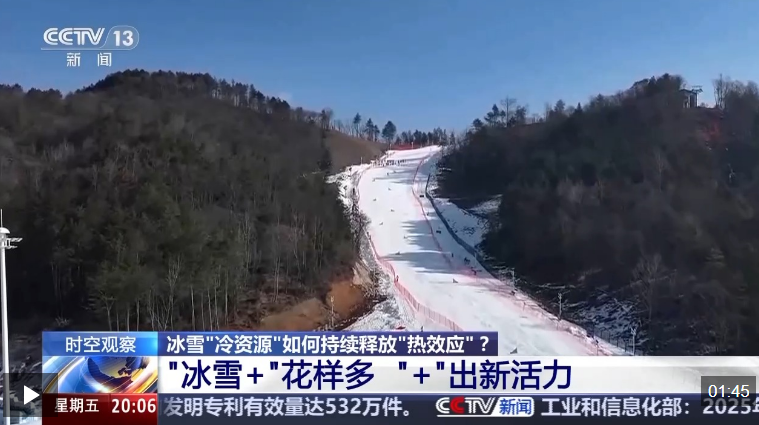
冰雪“冷资源”如何持续释放“热效应”?“冰雪+”带来新活力
Yang Shi Xin Wen Ke Hu Duan· 2026-01-24 12:07
Core Viewpoint - The development of China's ice and snow sports has accelerated significantly since the 2014 call by President Xi Jinping to engage 300 million people in ice and snow activities, with the upcoming 2026 Milan-Cortina Winter Olympics serving as a key milestone for the "Ice and Snow Army" [1] Group 1: Ice and Snow Consumption Trends - The "Ice and Snow +" model is generating new business opportunities and vibrant consumption in the ice and snow sector, as seen in events like the public skiing competition in Yichang, Hubei, which attracted participants nationwide [1] - Local tourism initiatives are integrating ice and snow activities with cultural experiences, leading to increased bookings for accommodations during events [3] - Night skiing and diversified services such as dining and lodging are extending the consumption chain, transforming the ice and snow night economy from a single experience to a comprehensive consumption model [8] Group 2: Regional Participation and Trends - The trend of "southern guests heading north" has emerged, with southern tourists becoming a significant growth segment in ice and snow sports participation, supported by national strategies to expand ice and snow activities [10][15] - In recent events, over 70% of participants in the ice and snow cross-country competition in Heilongjiang were from southern regions, highlighting the growing interest from these areas [12] Group 3: Infrastructure and Accessibility - The number of indoor ski resorts in China has increased from 5 in the 2013-2014 season to 79 by the 2024-2025 season, primarily located in southern provinces, making ice and snow activities more accessible [16] - Facilities like the Changsha Xiangjiang Ice and Snow World provide year-round ice and snow experiences, catering to both beginners and experienced enthusiasts [16] Group 4: Economic Impact and Growth - The total scale of China's ice and snow industry has grown from 381.1 billion yuan in 2020 to 980 billion yuan in 2024, with an annual growth rate of 26.6% [31] - The integration of ice and snow sports with tourism and consumption is creating a comprehensive consumption ecosystem, moving beyond traditional ticket sales to include training, dining, and retail [25] Group 5: Policy and Support - The rapid development of ice and snow sports is attributed to effective policy guidance, infrastructure improvements, and the optimization of market ecosystems, as highlighted by experts [27][29] - The implementation of national plans and local initiatives has fostered a supportive environment for the growth of ice and snow activities, enhancing participation and economic benefits [27][29] Group 6: Future Development Strategies - To sustain the growth of ice and snow tourism, strategies include promoting diverse consumption scenarios, enhancing community engagement, and integrating ice and snow activities into educational programs [39][41][45] - Emphasis on technological advancements and talent development is crucial for the continued evolution of the ice and snow industry, ensuring it meets the demands of a growing consumer base [45]
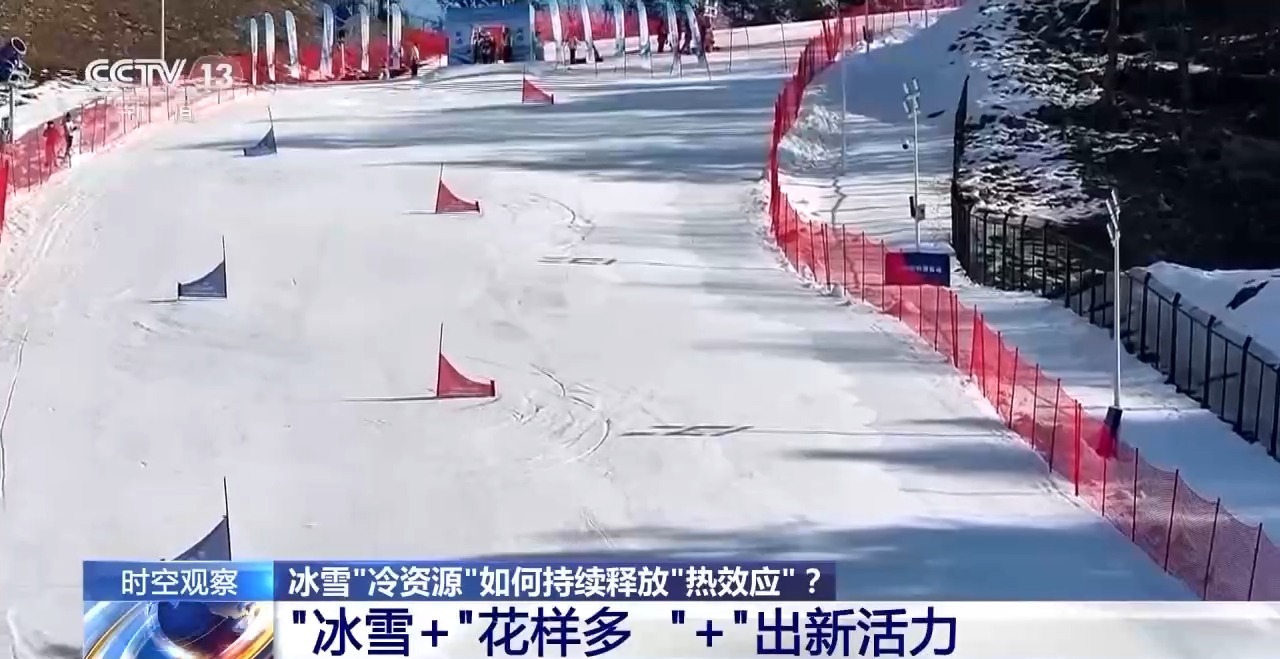
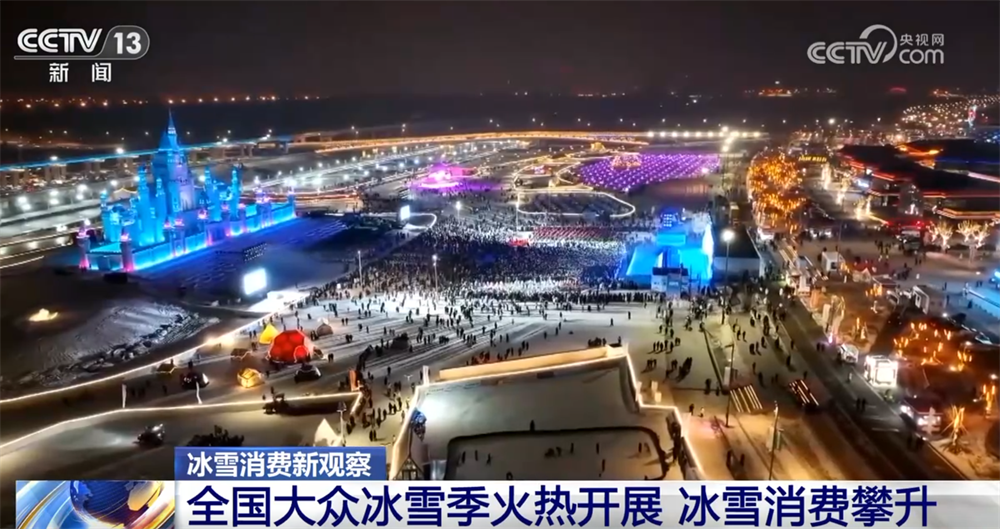
赛事火热、“南客北上”、长期参与……冰雪消费攀升实证“冰天雪地也是金山银山”
Yang Shi Wang· 2026-01-17 07:47
Core Viewpoint - The twelfth National Mass Ice and Snow Season has commenced, leading to a surge in ice and snow-related consumption as various ice and snow sports events attract large crowds across the country [1][9]. Group 1: Event Highlights - The twelfth National Mass Ice and Snow Season, themed "Ice and Snow Start a New Journey, Passion Towards the Future," began on the 6th of this month, with numerous ice and snow sports events taking place nationwide [1]. - In Changchun, Jilin, over 100 different ice and snow sports events are being held, including snow soccer, snow flag football, and snow tug-of-war, catering to diverse public interests [1]. - A special urban sports ice and snow park has been created in Changchun, covering an area of 300,000 square meters, featuring a 5.7-kilometer illuminated cross-country skiing trail [4]. Group 2: Consumer Trends - The trend of "southern tourists heading north" has emerged as a significant factor in ice and snow consumption, with southern visitors becoming an important growth segment in ice and snow sports participation [9][15]. - In the current ice and snow season, southern tourists account for over 50% of visitors at various northern ice and snow tourism destinations [15]. - A recent survey indicated that 24.02% of southern residents have participated in ice and snow sports in northern regions, with particularly high enthusiasm from residents in Jiangsu, Zhejiang, Shanghai, and Guangdong [15]. Group 3: Industry Growth - The total scale of China's ice and snow industry has grown from 381.1 billion yuan in 2020 to 980 billion yuan in 2024, with an average annual growth rate of 26.6% [16]. - The average daily visitor count at the Beidahu International Ski Resort has exceeded 8,000, with approximately 70% being repeat visitors, indicating a trend towards long-term participation in ice and snow sports [16]. - The National Sports Administration's report forecasts that the number of participants in ice and snow sports will reach 292 million in the 2024-2025 season, with 81 million individuals having engaged in activities like ice skating and skiing, marking a 42% increase from the previous season [22].