带动三亿人参与冰雪运动

Search documents
中国冰雪最真实的模样:“雪峰”正在拔高,“雪原”加速隆起
Xin Lang Cai Jing· 2026-02-23 10:23
Core Insights - The Chinese delegation achieved a historic best performance at the Winter Olympics held in Milan, winning a total of 15 medals: 5 gold, 4 silver, and 6 bronze, marking the best results for China in overseas Winter Olympic participation [1][3]. Group 1: Performance Highlights - The Winter Olympics showcased the latest landscape of global winter sports, with Norway dominating cross-country skiing, the Netherlands excelling in speed skating, and Japan rising in snowboarding. China solidified its medal-winning projects established during the Beijing Winter Olympics [4][6]. - The freestyle skiing aerials team was a standout for China, winning 2 golds and 3 bronzes, with athletes Xu Mengtao and Wang Xindi achieving personal and team success [4][6]. - In the women's U-shaped field event, China secured four out of twelve spots in the finals, with Gu Ailing and Li Fanghui winning gold and silver respectively, showcasing the depth of talent in the team [6][8]. Group 2: Broader Trends - The current Winter Olympics marked the largest participation for China in terms of events and athletes, with the delegation achieving 49 top-eight finishes, a 32.4% increase from the previous Olympics [8][9]. - The historical gap in snow sports is narrowing, with significant improvements in events like freestyle skiing and snowboarding, indicating a shift from participation to competition [9][11]. - The development of training facilities post-Beijing Olympics has bolstered talent development, with new venues attracting a growing number of young athletes [11][12]. Group 3: Economic Impact - The Beijing Winter Olympics has successfully engaged a broader audience in winter sports, with initiatives leading to increased participation across various regions in China [18][20]. - The ice and snow economy is projected to grow significantly, with estimates indicating an increase from 364.7 billion to 980 billion yuan from 2016 to 2024, and expectations to surpass one trillion yuan by 2025 [18][20]. - The integration of winter sports into local economies is evident, with regions like Heilongjiang and Jilin seeing increased tourism and engagement in winter sports activities [18][20].

陕西省第一届冬季运动会闭幕
Shan Xi Ri Bao· 2026-02-12 00:32
Core Viewpoint - The first Winter Sports Games in Shaanxi Province successfully concluded, emphasizing the importance of sports as articulated by President Xi Jinping and promoting ice and snow sports participation among the population [1] Group 1: Event Overview - The Winter Sports Games is the first comprehensive winter sports event held in Shaanxi Province, aligning with the provincial government's goals to enhance sports participation [1] - The host city, Yulin, adhered to principles of "simplicity, safety, and excitement" in organizing the opening and closing ceremonies, as well as the various competitions [1] Group 2: Participation and Achievements - A total of 27 participating units from across the province competed in 8 major events for both youth and general public categories [1] - The youth category resulted in the awarding of 138 gold medals, while the general public category awarded 16 gold medals [1] Group 3: Future Events - The next Winter Sports Games in Shaanxi Province is scheduled to take place in 2030 in the city of Baoji [1]
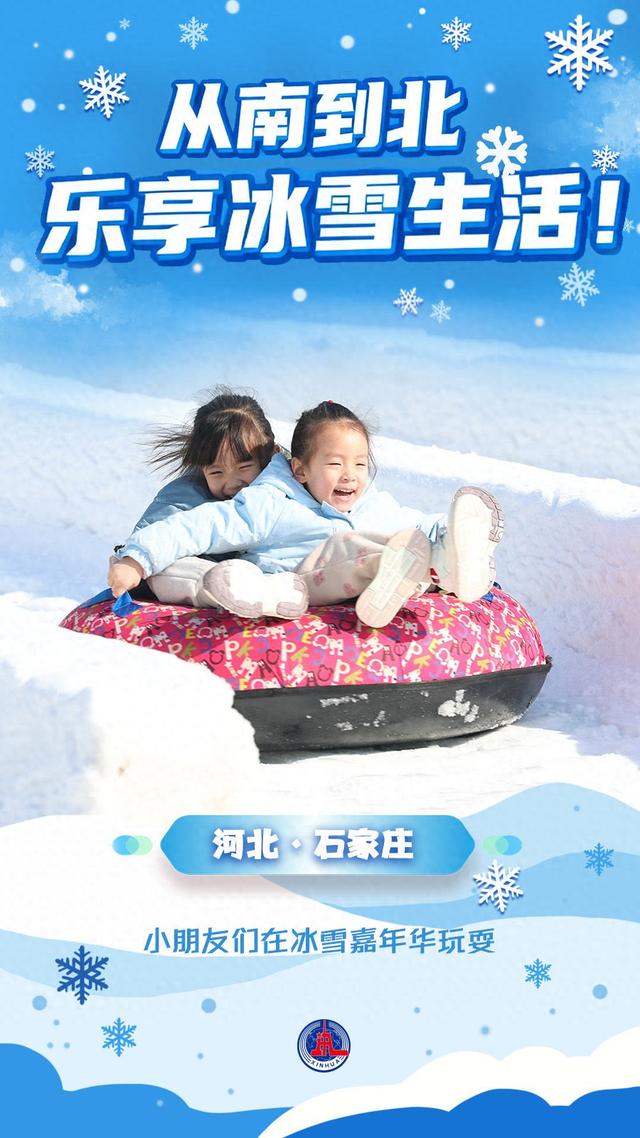
海报丨从南到北,乐享冰雪生活!
Xin Lang Cai Jing· 2026-02-08 09:15
Group 1 - The core viewpoint is that the vision of "engaging 300 million people in ice and snow sports" is transforming the winter lifestyle of Chinese people, making ice and snow not just a sport but a new daily routine integrated into life [1] Group 2 - The popularity of ice and snow activities is evident as tourists engage in various experiences, such as snow sculpture walls and ice dragon boat competitions [4][5] - Children are participating in specialized training for ice hockey during winter vacations, indicating a growing interest in winter sports among younger generations [8]
从北京到米兰 接续跑好体育强国建设接力棒
Xin Lang Cai Jing· 2026-02-07 00:06
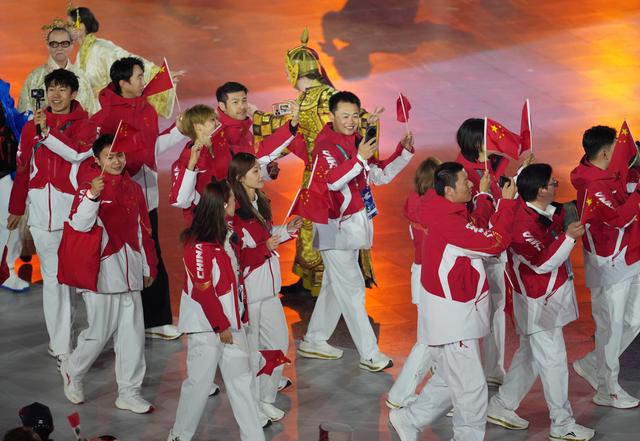
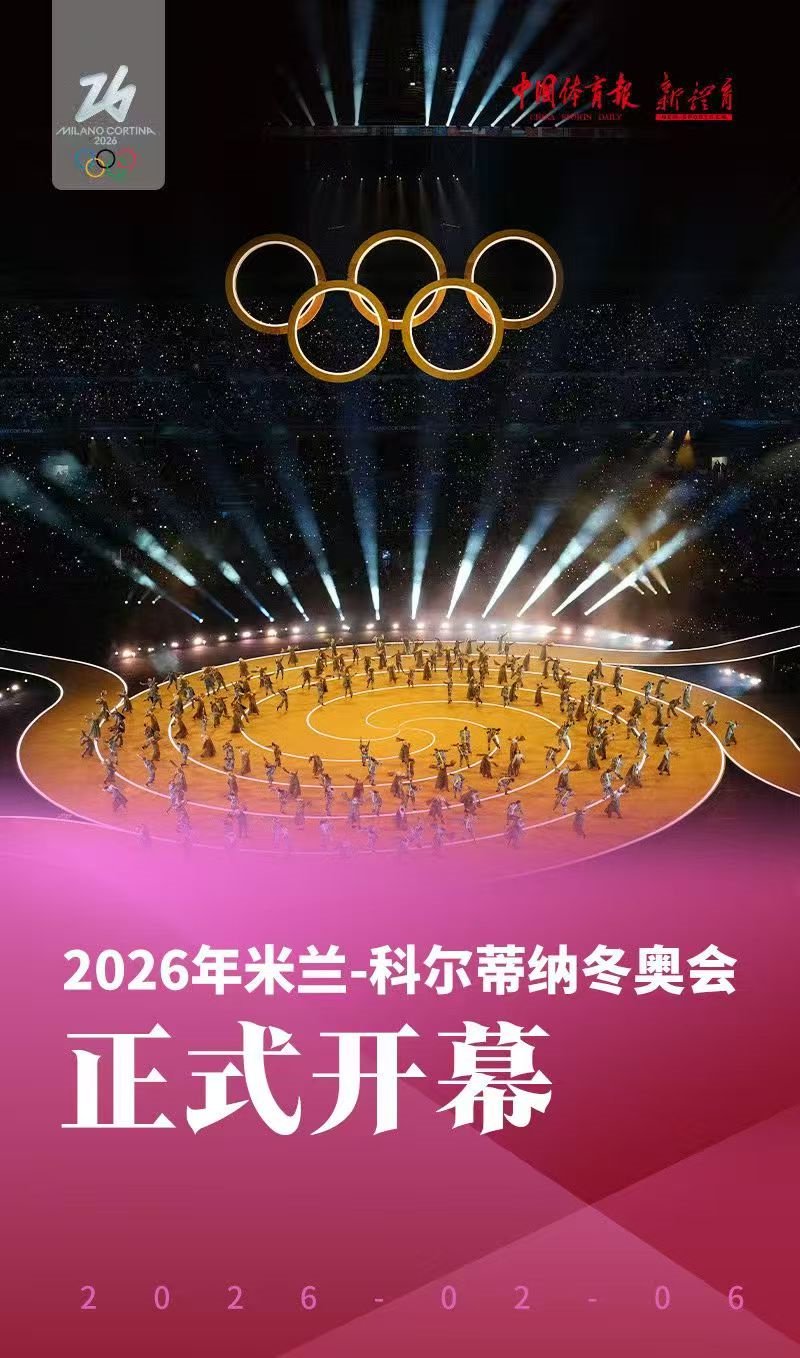
Group 1: Core Themes of the Milan Winter Olympics - The Milan Winter Olympics emphasizes the theme of "harmony," continuing the Olympic spirit from the Beijing Winter Olympics and promoting a vision of a harmonious world through sports [1] - This event serves as a significant platform for China to inherit the legacy of the Winter Olympics, promote Chinese sports spirit, and strengthen its position as a sports power [4] Group 2: Development and Support for Ice and Snow Sports - The strong support for ice and snow sports in China is attributed to the leadership of the Communist Party and the advantages of the socialist system, with initiatives aimed at increasing participation in ice sports [6] - The successful hosting of the Beijing Winter Olympics has initiated a new era for ice and snow sports globally, with a focus on sustainable development and shared benefits [8] Group 3: Achievements and Participation - The Chinese delegation at the Milan Winter Olympics consists of 286 members, including 126 athletes, marking the largest participation in terms of events and athletes for China in an overseas Winter Olympics [11] - The initiative to engage 300 million people in ice and snow sports has transformed from a vision into reality, with the ice and snow industry expected to exceed 1 trillion yuan by 2025, reflecting a nearly fourfold increase since 2015 [12] Group 4: Future Aspirations and Goals - The Milan Winter Olympics is viewed as a continuation of China's commitment to sports development, with a focus on innovation and the integration of ice and snow sports into the broader economic and social development agenda [15]
坚定信心、乘势而上,书写体育强国建设新篇章——写在米兰冬奥会中国体育代表团成立之际
Xin Lang Cai Jing· 2026-01-28 00:12
Group 1 - The Milan Winter Olympics represents a significant opportunity for China to showcase its sports prowess and promote national pride, aligning with the spirit of the 20th National Congress of the Communist Party [1][2] - The event serves as a platform to inherit the legacy of the Beijing Winter Olympics, highlighting the achievements in ice and snow sports and reinforcing China's status as an Olympic powerhouse [2] - The focus is on enhancing the participation of 300 million people in ice and snow sports, promoting mass sports activities, and achieving both athletic success and cultural development [2] Group 2 - The current international environment presents various risks and challenges for the sports sector, making the competition at the Milan Winter Olympics particularly daunting [3] - There is a strong emphasis on national pride and the commitment to win medals with integrity, reflecting the values of Chinese sportsmanship and Olympic spirit [3] - The importance of teamwork and collaboration is highlighted, aiming to showcase the collective strength of the Chinese athletes and the spirit of the nation [3]
视频丨冰雪“冷资源”如何持续释放“热效应”?“冰雪+”带来新活力
Yang Shi Xin Wen Ke Hu Duan· 2026-01-24 12:13
Core Insights - The rapid development of China's ice and snow industry has been significantly influenced by the call from President Xi Jinping in 2014 to engage 300 million people in ice and snow sports, culminating in record achievements at the 2022 Beijing Winter Olympics [2][28] - The trend of "ice and snow +" has led to the emergence of new business models and consumption patterns, integrating various sectors such as tourism, dining, and cultural experiences [4][9] Group 1: Ice and Snow Sports Development - The "ice and snow +" model has generated diverse new business formats and vibrant consumption in the ice and snow sector [2] - The integration of ice and snow sports with local tourism resources has resulted in the creation of premium tourism routes that combine skiing, hot springs, and cultural experiences [4] - The participation of southern tourists in ice and snow sports has become a significant trend, with over 50% of participants in northern ice and snow tourism destinations being from southern regions [16][30] Group 2: Infrastructure and Economic Growth - The number of indoor ski resorts in China has increased from 5 in the 2013-2014 season to 79 in the 2024-2025 season, primarily located in southern provinces [17] - The ice and snow industry in China has seen its total scale grow from 381.1 billion yuan in 2020 to 980 billion yuan in 2024, with an average annual growth rate of 26.6% [32] - The development of advanced ice and snow equipment has led to a significant reduction in costs and an increase in domestic production rates, enhancing the overall industry ecosystem [34][39] Group 3: Future Prospects and Strategies - The ice and snow tourism sector is projected to reach 360 million participants and generate 450 billion yuan in revenue by the 2025-2026 winter season [40] - Strategies to sustain the growth of the ice and snow economy include promoting diverse consumption scenarios, enhancing community engagement, and integrating technology and talent development [42][46] - The focus on creating unique local experiences and avoiding homogenized competition will be crucial for the continued success of the ice and snow industry [40][44]
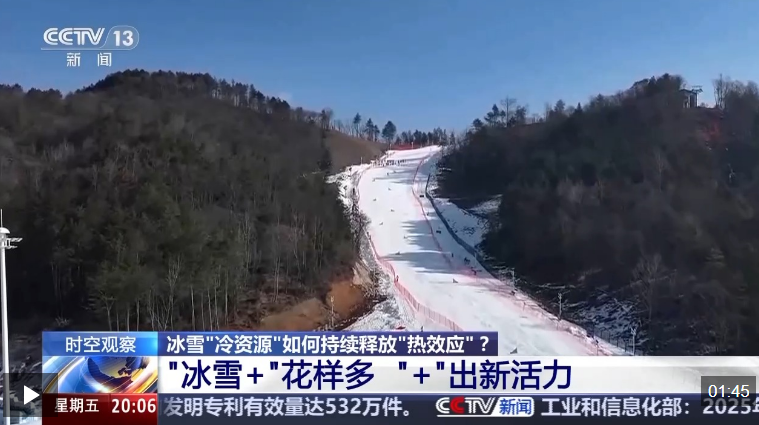
冰雪“冷资源”如何持续释放“热效应”?“冰雪+”带来新活力
Yang Shi Xin Wen Ke Hu Duan· 2026-01-24 12:07
Core Viewpoint - The development of China's ice and snow sports has accelerated significantly since the 2014 call by President Xi Jinping to engage 300 million people in ice and snow activities, with the upcoming 2026 Milan-Cortina Winter Olympics serving as a key milestone for the "Ice and Snow Army" [1] Group 1: Ice and Snow Consumption Trends - The "Ice and Snow +" model is generating new business opportunities and vibrant consumption in the ice and snow sector, as seen in events like the public skiing competition in Yichang, Hubei, which attracted participants nationwide [1] - Local tourism initiatives are integrating ice and snow activities with cultural experiences, leading to increased bookings for accommodations during events [3] - Night skiing and diversified services such as dining and lodging are extending the consumption chain, transforming the ice and snow night economy from a single experience to a comprehensive consumption model [8] Group 2: Regional Participation and Trends - The trend of "southern guests heading north" has emerged, with southern tourists becoming a significant growth segment in ice and snow sports participation, supported by national strategies to expand ice and snow activities [10][15] - In recent events, over 70% of participants in the ice and snow cross-country competition in Heilongjiang were from southern regions, highlighting the growing interest from these areas [12] Group 3: Infrastructure and Accessibility - The number of indoor ski resorts in China has increased from 5 in the 2013-2014 season to 79 by the 2024-2025 season, primarily located in southern provinces, making ice and snow activities more accessible [16] - Facilities like the Changsha Xiangjiang Ice and Snow World provide year-round ice and snow experiences, catering to both beginners and experienced enthusiasts [16] Group 4: Economic Impact and Growth - The total scale of China's ice and snow industry has grown from 381.1 billion yuan in 2020 to 980 billion yuan in 2024, with an annual growth rate of 26.6% [31] - The integration of ice and snow sports with tourism and consumption is creating a comprehensive consumption ecosystem, moving beyond traditional ticket sales to include training, dining, and retail [25] Group 5: Policy and Support - The rapid development of ice and snow sports is attributed to effective policy guidance, infrastructure improvements, and the optimization of market ecosystems, as highlighted by experts [27][29] - The implementation of national plans and local initiatives has fostered a supportive environment for the growth of ice and snow activities, enhancing participation and economic benefits [27][29] Group 6: Future Development Strategies - To sustain the growth of ice and snow tourism, strategies include promoting diverse consumption scenarios, enhancing community engagement, and integrating ice and snow activities into educational programs [39][41][45] - Emphasis on technological advancements and talent development is crucial for the continued evolution of the ice and snow industry, ensuring it meets the demands of a growing consumer base [45]
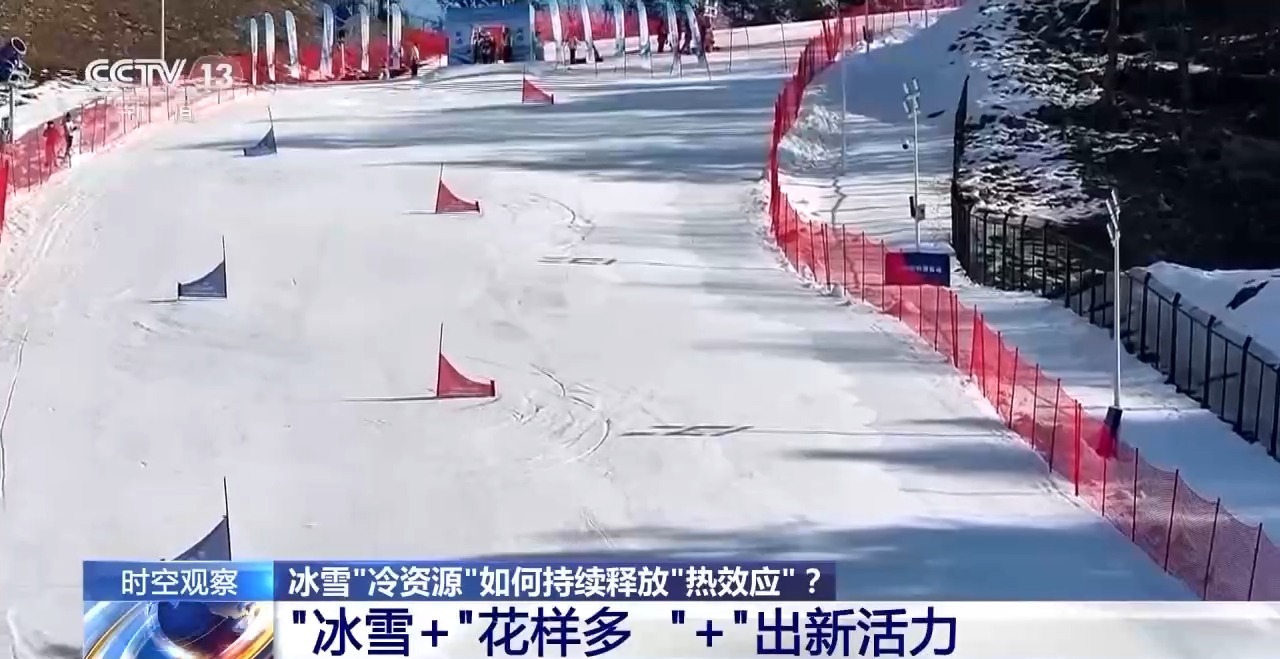
冰雪产业何以“加速跑”?从愿景变现实 生活新时尚激活“冰雪+”全链条消费生态
Yang Shi Wang· 2026-01-23 13:10
Group 1 - The "Ice and Snow +" integration development model is generating new business formats and consumption vitality in the ice and snow sector [2][3] - The trend of "Southern guests heading North" is becoming significant in China's ice and snow consumption, with over 50% of participants in Northern ice and snow tourism destinations being from Southern regions [6][10] - The number of indoor ski resorts in China has increased from 5 in the 2013-2014 season to 79 in the 2024-2025 season, primarily located in Southern provinces [11] Group 2 - The ice and snow industry in China is experiencing rapid growth, with the total scale increasing from 381.1 billion yuan in 2020 to 980 billion yuan in 2024, reflecting an annual growth rate of 26.6% [31] - The integration of "Ice and Snow + Culture and Tourism" is creating new consumption scenarios, enhancing the appeal of ice and snow activities [45] - The development of ice and snow tourism is projected to reach 360 million participants and generate 450 billion yuan in revenue by the 2025-2026 winter season [43]
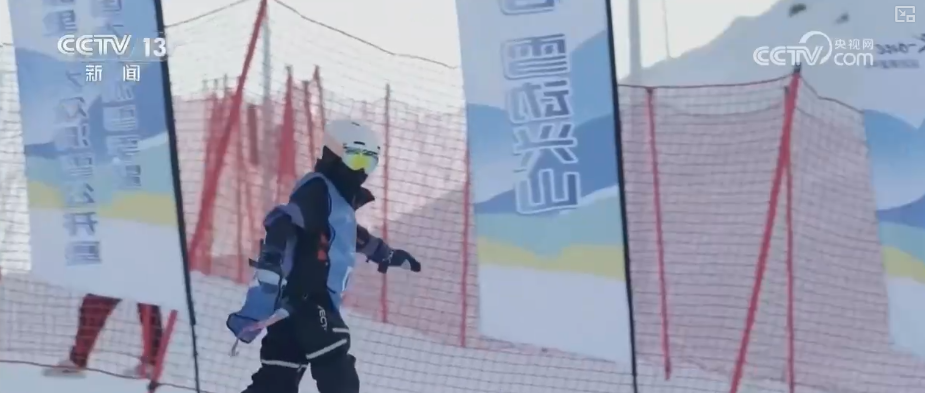
陕西省首届冬季运动会二〇二六年二月举行 陕西省第十八届运动会二〇二六年八月举行
Shan Xi Ri Bao· 2025-10-12 00:19
Group 1 - The first Winter Games in Shaanxi Province will be held in Yulin City in February 2026, featuring youth and mass participation categories [1] - The 18th Sports Games of Shaanxi Province will take place in Weinan City from August 15 to 20, 2026, with four categories: youth, university students, mass participation, and industry [1] - Starting in 2026, the Shaanxi Winter Games will be held every four years, aiming to promote winter sports and enhance competitive levels in the province [1] Group 2 - The organizing committee for the 18th Sports Games has been established, with construction and upgrades of 23 competition venues in Weinan expected to be completed by the end of December this year [2] - The event has received over 3,200 submissions for its emblem, mascot, and theme slogan, with results to be announced soon [2] - The youth category of the 18th Sports Games will include 26 major events and 853 minor events, attracting nearly 10,000 young athletes [2]
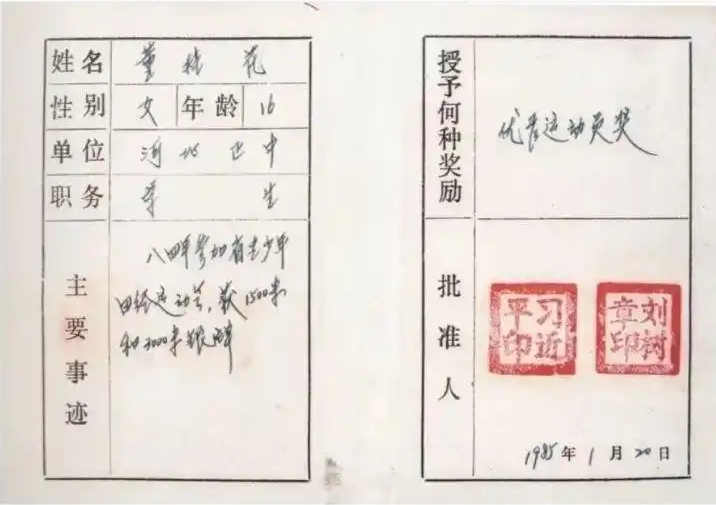
人民领袖|41年前,习近平办了一场全民运动会
Yang Shi Wang· 2025-08-18 04:11
Core Viewpoint - The article highlights the importance of sports and physical fitness in enhancing the well-being and happiness of the populace, as emphasized by Xi Jinping during his tenure as the Party Secretary of Zhengding County in 1984 [1][2]. Group 1: Historical Context - In 1984, Zhengding County held a significant sports event that attracted over 1,300 participants, marking a rare occurrence at the time when economic development was prioritized over sports [1][2]. - Xi Jinping, then the county's Party Secretary, awarded the "Outstanding Athlete Award" to a student, showcasing his commitment to promoting sports among the local population [1][4]. Group 2: Xi Jinping's Philosophy on Sports - Xi Jinping believed that enhancing the physical and mental well-being of citizens was crucial, stating that people's "pockets" should be full, and their spirits and health should be enriched [2]. - He emphasized the importance of starting initiatives, even if they are not perfect at first, to gradually improve community sports activities [2]. Group 3: Development of Sports Initiatives - Following the 1984 event, Zhengding County saw the establishment of sports facilities and teams, leading to its recognition as a national sports advanced county [2]. - Xi Jinping's early advocacy for sports laid the groundwork for the flourishing of grassroots sports activities across the country [10]. Group 4: National Sports Promotion - In 2014, Xi Jinping proposed the ambitious goal of engaging 300 million people in ice and snow sports, which has been recognized as the largest ice sports promotion initiative in history [6]. - The successful hosting of the Beijing Winter Olympics in 2022 was a culmination of Xi's efforts to promote both competitive and grassroots sports [5]. Group 5: Current Sports Landscape - As of December 31, 2024, China has 4.8417 million sports venues, reflecting significant improvements in sports infrastructure nationwide [10]. - Various grassroots sports events and initiatives, such as cycling and marathons, have gained popularity, indicating a vibrant sports culture [10].