
及时行乐

Search documents
墨西哥,不便宜
3 6 Ke· 2025-12-21 01:54
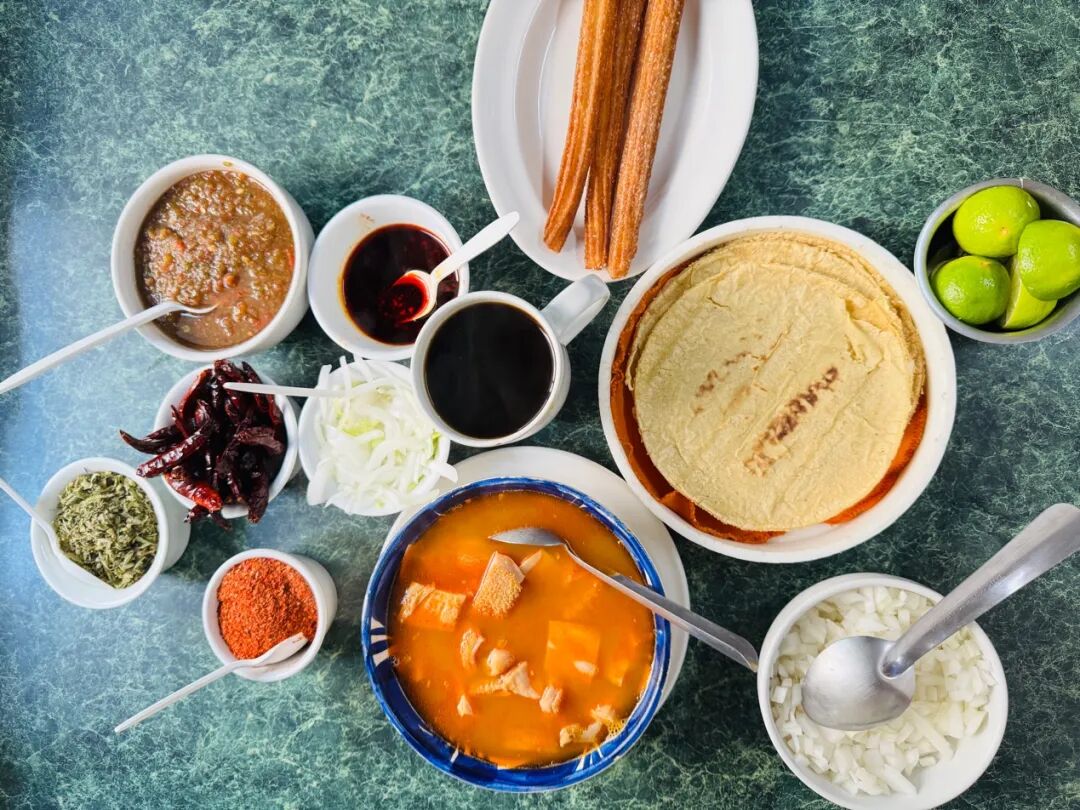
Economic Overview - Mexico's economy is developing, with a population of approximately 130 million and a GDP per capita of about $14,000 in 2024 [2] - Inflation has led to a significant increase in prices, with food prices rising by 50% post-pandemic [2] - The average monthly salary for restaurant workers in Mexico City is around 4,000 RMB, while university graduates earn between 6,000 to 8,000 RMB [2] Cost of Living - Daily expenses in Mexico City include a taco priced at approximately 10 RMB (25 pesos) and a breakfast set at around 71 RMB (185 pesos) [4][5] - Prices for basic groceries are relatively high, with beef costing 117 RMB (303 pesos) per kilogram and eggs priced at 16 RMB (41 pesos) for a dozen [7] - The cost of living is further impacted by high vehicle prices due to tariffs, with a BYD car priced at over 150,000 RMB (386,700 pesos) in Mexico compared to 80,000 RMB in China [9] Income Disparity - There is a significant income disparity in Mexico, with 36.5% of the population living below the poverty line and 9% in extreme poverty [10] - The wealthiest 10% of the population holds 53% of the city's wealth, a decrease from 60% in 2018 [11] - Informal employment constitutes 58% of the workforce, often associated with low-income jobs lacking social security [13] Cultural Insights - Mexican culture emphasizes enjoyment and living in the moment, influenced by religious beliefs, with 88% of the population being Catholic [14] - The local market for adult products is expected to grow at a compound annual growth rate of 8.2% from 2022 to 2030, indicating a vibrant consumer culture [16]

买车不划算,那买房呢?
集思录· 2025-05-20 14:43
Core Viewpoint - The article discusses the financial implications of purchasing cars and houses, suggesting that both may not be as financially sound as perceived, and emphasizes the importance of enjoying life in the present rather than solely focusing on financial calculations [1][2][3][5][11]. Group 1: Financial Considerations - Buying a car is often viewed as less cost-effective compared to using ride-hailing services, while purchasing a house is seen as more expensive than renting [1]. - The depreciation of cars is acknowledged, and the article questions whether houses will also depreciate in the future, especially considering the leverage often used in real estate purchases [1]. - The article highlights that the value of real estate is tied to market conditions, with past price increases driven by population influx, but future trends may not support similar growth due to demographic shifts [11]. Group 2: Lifestyle and Enjoyment - The narrative suggests that life should not be solely about financial calculations, advocating for a balance between enjoying life and making prudent financial decisions [2][5][6]. - It is noted that as individuals age, their desires and priorities shift, leading to a more subdued approach to spending and enjoyment [3][12]. - The article emphasizes the importance of living in the moment and enjoying small pleasures, such as a drink after exercise, rather than deferring gratification indefinitely [5][12]. Group 3: Real Estate Insights - The article posits that real estate is fundamentally a commodity, and its value is influenced by market dynamics, including population growth and urbanization [9][11]. - It mentions that the depreciation of properties becomes more apparent when they lose their value appreciation function, estimating an annual depreciation rate of around 3% [13]. - The discussion includes the notion that rental yields should be considered when evaluating real estate investments, suggesting that a rental yield of 5% is necessary for real estate to be deemed a viable investment [13].

“快活三里”莫久留(人民论坛)
Ren Min Ri Bao· 2025-05-12 22:21
Group 1 - The article discusses the dangers of a hedonistic lifestyle among officials, leading to corruption and illegal activities due to the pursuit of material enjoyment and instant gratification [1] - It emphasizes the importance of maintaining a strong moral compass and resisting temptations to avoid moral decay and corruption [1] - The narrative includes a metaphor of porters on Mount Tai, illustrating the need for perseverance and hard work to avoid complacency and corruption among party members [1] Group 2 - The article highlights the necessity for officials to possess a strong sense of responsibility and capability to tackle challenges, likening them to "burden bearers" who must be resilient and clear-sighted [2] - It stresses the importance of maintaining a sense of urgency and mission to overcome difficulties and achieve significant goals, especially in complex situations [2] - The need for continuous self-improvement and dedication to the party's principles is emphasized to ensure proper guidance and direction in life [2] Group 3 - The article points out the persistent and evolving nature of issues related to party conduct, requiring a long-term commitment to address and rectify these problems [3] - It discusses the necessity of vigilance against new forms of corruption that may arise, emphasizing the importance of sustained efforts to maintain integrity [3] - The metaphor of climbing mountains is used to illustrate the ongoing struggle against corruption and the need for determination and resilience in achieving progress [3]