口碑传播

Search documents
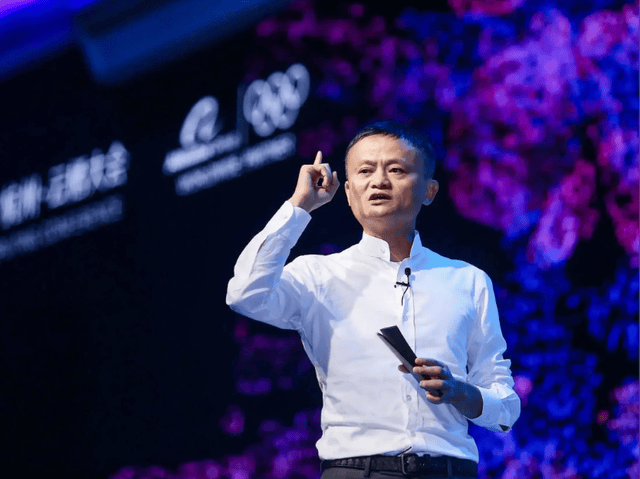
雷军终于活成了马云的样子
Sou Hu Cai Jing· 2026-01-06 02:50
Core Insights - The article contrasts two legendary figures in the internet industry: Jack Ma, who defined the era with visionary concepts, and Lei Jun, who responds to challenges with practical achievements in the automotive sector [1][8] Group 1: Leadership Styles - Jack Ma is characterized as a "solitary hero" who drives financing through vision, while Lei Jun is seen as a "campfire leader" who focuses on practical execution and real-world results [5][8] - Lei Jun's approach emphasizes the essence of industry, focusing on "extreme cost performance" and efficiency revolution by restructuring supply chains [3][6] Group 2: Financial Strength and Strategy - Lei Jun's financial strength is highlighted by a cash reserve of 108 billion yuan, allowing Xiaomi to avoid external financing risks when entering the automotive market [6] - The article notes that Lei Jun's capital strategy is built on solid cash reserves, contrasting with Ma's reliance on visionary funding [6][8] Group 3: Achievements and Market Impact - In 2025, Xiaomi's first SUV, YU7, achieved a delivery of 412,000 units, becoming the top-selling new energy SUV, showcasing Lei Jun's ability to deliver on promises [9] - The YU7's performance metrics, such as a 92% achievement rate for a 650 km range, demonstrate Lei Jun's commitment to product quality and transparency [9] Group 4: Challenges and Risks - The article discusses the potential risks associated with Lei Jun's personal brand becoming overly tied to Xiaomi, similar to the challenges faced by Jack Ma [11][12] - Lei Jun's future challenges include navigating the competitive landscape of hard technology and the need for Xiaomi to develop a decision-making culture independent of his personal influence [17][19] Group 5: Future Outlook - The article concludes with a call for Lei Jun to transcend Jack Ma's legacy and establish a unique identity that emphasizes practical achievements in hard technology [21]


品牌如何在信息洪流中“破圈”?
Sou Hu Cai Jing· 2025-10-30 16:13
Core Insights - The article discusses the evolution of word-of-mouth marketing in the digital age, emphasizing the power of influencers and social networks in shaping consumer behavior and brand perception [2][10]. Group 1: Word-of-Mouth Marketing - Positive word-of-mouth can rapidly elevate niche products to mainstream popularity, as demonstrated by the case of Picoo Z toy helicopter, which gained significant traction through user-generated content [4]. - Negative word-of-mouth can severely damage a brand's reputation, as consumers tend to prioritize negative feedback over positive reviews when considering purchases [5][9]. - The phenomenon of "echo chambers" in social media amplifies both positive and negative sentiments, creating a feedback loop that can lead to widespread discussions about a brand [4][10]. Group 2: Social Networks - Social networks serve as the primary battleground for word-of-mouth marketing, where information flows between users, brands, and media [10][11]. - Understanding the structure of social networks, including nodes and connections, is crucial for effective marketing strategies [12][13]. - The "information cascade" effect in social networks can lead to rapid consumer engagement, but it also poses risks of irrational behavior if brands rely too heavily on herd mentality [17][19]. Group 3: Influencers and Opinion Leaders - Influencers play a pivotal role in word-of-mouth marketing, acting as amplifiers of brand messages and bridging the gap between brands and consumers [20]. - Opinion leaders, who possess deep knowledge about specific products, can significantly influence consumer decisions within their communities [21][22]. - The rise of social media influencers has transformed marketing strategies, with companies spending approximately $4 billion annually on influencer marketing in the U.S. [25]. Group 4: Practical Insights for Brands - Brands should create shareable content that resonates with consumers' social needs, enhancing the likelihood of organic sharing [42][44]. - Establishing multi-platform information flows is essential for effective brand communication, as different platforms cater to varying audience preferences [46][48]. - Brands must implement a structured approach to managing influencers, recognizing the distinct roles of different types of influencers in marketing campaigns [50]. - Developing a mechanism for addressing negative word-of-mouth is critical for brand resilience, focusing on timely, sincere, and solution-oriented responses [52][54].