可持续燃料

Search documents
比宇航员还稀有的F1车手,竟然不会开电动车?
电动车公社· 2026-03-26 19:27
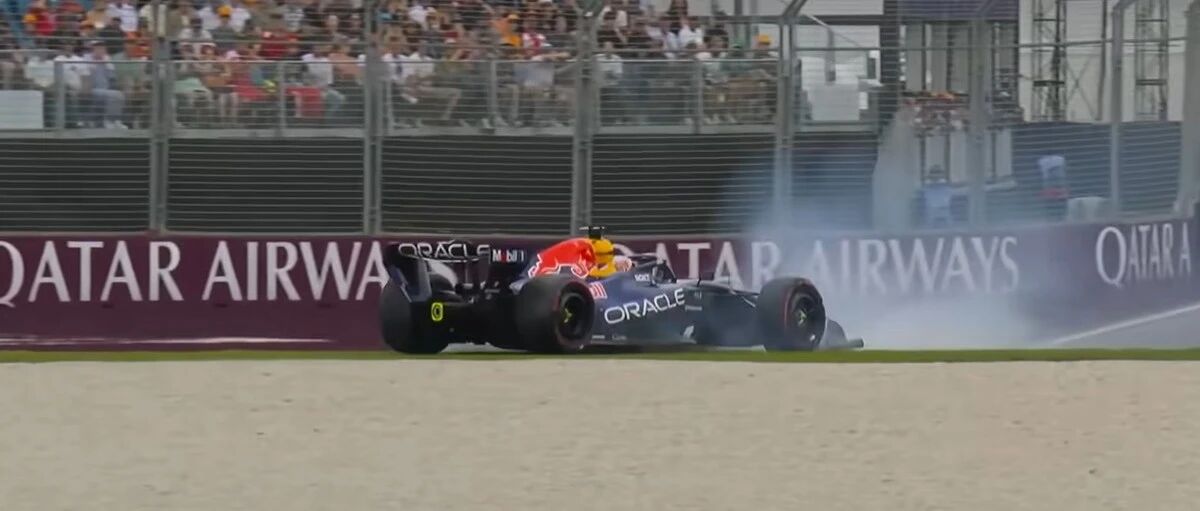
Core Viewpoint - The 2026 F1 season has undergone significant changes, particularly in its powertrain, leading to increased competition and excitement, despite initial struggles from drivers adapting to the new technology [21][51][81]. Group 1: Race Performance and Driver Reactions - The opening race of the 2026 season saw numerous driver errors, with notable incidents including Verstappen and Piastri crashing out early [3][5][7]. - Verstappen expressed frustration over the chaotic nature of the race, stating it did not reflect the essence of F1 [8]. - Despite the drivers' dissatisfaction, the audience turnout was unprecedented, with over 230,000 fans attending the Shanghai race, marking a new high for F1 in China [11][10]. Group 2: Changes in Racing Dynamics - The 2026 season has seen a dramatic increase in overtaking, with an average of 120-125 overtakes per race, compared to just 30.9 in the previous season, indicating a more competitive environment [19][15]. - The new powertrain configuration, which balances internal combustion and electric power, has transformed race strategies, making energy management crucial for success [21][27][37]. Group 3: Technological Innovations - The new F1 powertrain features a significant shift towards electric power, with the internal combustion engine's output reduced to approximately 400kW and the electric motor's output increased to 350kW, creating a near 1:1 power ratio [27][28]. - Energy recovery systems have become vital, with two main methods for recharging the battery during races, impacting braking and overall vehicle control [34][45]. Group 4: Industry Implications and Opportunities - The shift towards electric power in F1 presents opportunities for manufacturers, particularly Chinese companies like BYD, which is exploring entry into F1 due to its advanced electric vehicle technology [68][71]. - The high operational costs of F1 teams, estimated at over 3 billion yuan annually, pose challenges for new entrants, but the potential brand recognition benefits are significant [72][76]. - The introduction of sustainable fuels in F1, produced from renewable sources, marks a pivotal shift in the industry, aligning with global trends towards sustainability [81][83].

科迪华与BP成立合资公司Etlas
Zhong Guo Hua Gong Bao· 2026-01-14 02:34
Core Viewpoint - The establishment of the joint venture Etlas between Cargill and BP aims to produce sustainable aviation fuel (SAF) and renewable diesel (RD) from oilseed crops, addressing the growing demand for biofuel raw materials in the coming years [2][3] Group 1: Joint Venture Details - Cargill and BP have formed a 50-50 joint venture named Etlas, focusing on producing oilseed crops such as canola, mustard, and sunflower for biofuel raw materials [2] - Etlas plans to achieve an annual production capacity of 1 million tons of raw materials by the mid-2030s, with an expected output of over 800,000 tons of biofuels starting in 2027 [2] - The joint venture will utilize existing farmland by rotating these intermediate crops between main crop planting seasons, improving soil health and providing new income sources for farmers without requiring additional land [2] Group 2: Market Demand and Strategic Goals - Industry forecasts indicate that global SAF demand is expected to grow from approximately 1 million tons in 2024 to around 10 million tons by 2030, while RD demand may increase from about 17 million tons to 35 million tons [2] - Etlas aims to provide a reliable and scalable supply of raw materials to meet this increasing market demand for sustainable fuels [2] - The joint venture is described as a "light-asset" partnership that enhances both companies' strategic flexibility and competitiveness within the biofuel value chain [3]


德希尼布收购先进材料与催化剂业务
Zhong Guo Hua Gong Bao· 2026-01-06 04:05
Core Viewpoint - Dechniub Energy has completed the acquisition of the advanced materials and catalysts business from Ecovise, aiming to enhance its capabilities in specialty catalysts and advanced materials, and to expand into key growth markets such as sustainable fuels, circular chemistry, and carbon capture [1] Group 1 - The acquired business will operate as an independent unit, retaining the original management team and three R&D and manufacturing bases located in Europe and the United States, with approximately 330 employees transitioning to Dechniub Energy [1] - CEO Arnaud Piéton stated that the acquisition will integrate the differentiated catalyst platform with the company's existing process technologies, creating comprehensive solutions to help clients improve efficiency, reliability, and emission performance [1]
报告称未来催化材料设计将迈入“自动驾驶”时代
Xin Lang Cai Jing· 2025-12-20 03:36
Group 1 - The report highlights that the deep application of artificial intelligence (AI) technology is transforming catalyst research and development from a traditional trial-and-error model to a data and AI-driven approach, leading to a future where catalyst material design enters an "autonomous driving" era [1] - The three key areas of circular economy, new energy materials, and sustainable fuels are closely interconnected and mutually reinforcing, with AI playing an increasingly important role in this process [1] - Significant breakthroughs in photovoltaic materials technology, such as perovskite, are expected to reshape the core competitiveness of the industry, while all-solid-state batteries are advancing from laboratory to pilot stages, indicating broad application prospects [1] Group 2 - New energy materials are a fundamental variable determining the development of the new energy industry, involving a long industrial chain and supply chain linkage, which will deeply impact the development of sustainable fuels and the circular economy [2] - The "New Energy Technology 50 Enterprises" list shows that several companies exhibit high foresight in their business models, such as constructing next-generation lithium battery material platforms through a pathway of "technology patenting - productization of patents - scenario application - scaling of scenarios" [2] - Chinese new energy companies have developed significant competitive advantages through continuous technological innovation and breakthroughs, enhancing energy utilization efficiency and promoting the construction of a new energy system and optimization of energy structure [2]
化工龙头ETF(516220)涨超1.1%,欧盟政策推动可持续燃料景气度提升
Mei Ri Jing Ji Xin Wen· 2025-11-17 06:57
Group 1 - The core viewpoint of the article highlights the significant impact of the EU's ReFuelEU Aviation Regulation, which mandates a 2% blending of sustainable aviation fuel (SAF) starting in 2025, with a long-term goal of 70% by 2050 [1] - IATA projects that the demand for SAF will increase dramatically from 1 million tons in 2024 to 18 million tons by 2030, and reach 350 million tons by 2050 [1] - The high cost of SAF compared to traditional jet fuel has led to low procurement willingness among airlines, but the EU's strict blending standards are driving rapid price increases for SAF, with high-end SAF prices in China rising by 47.22% since the beginning of the year [1] Group 2 - The EU has recently approved the Sustainable Transport Investment Plan, which will invest at least €3.3 billion over the next two years to support the renewable fuel industry, with a cumulative investment of €100 billion planned by 2035 to meet aviation and shipping emission reduction targets [1] - The scarcity of raw materials for SAF, such as waste cooking oil, combined with the enforced policy demand, is expected to sustain high industry prosperity [1] - Neste, a leading international company in the sector, reported a more than 150% year-on-year profit increase in its renewable fuels segment for the third quarter, indicating significant improvement in industry profitability [1]
CBL International (BANL) - 2025 Q2 - Earnings Call Transcript
2025-09-16 03:02
Financial Data and Key Metrics Changes - Total sales volume grew by 9.8%, while revenue decreased by 4.4% to $265.2 million, primarily due to a decrease in marine fuel prices [10][11] - Gross profit margin increased by 4 basis points to 1.02%, and net loss narrowed by 38.8% from $1.62 million to $0.99 million [12][10] - Current ratio improved to 1.54, indicating healthy liquidity, while capital debt improved to -4.44 days, highlighting excellent cash cycle management [12][26] Business Line Data and Key Metrics Changes - Revenue from biofuels saw significant growth, with sales increasing by 154.7% year-on-year and volume growth reaching 189.5% [15][16] - Non-container liner sales accounted for 36.9% of revenue, reflecting successful diversification efforts [42] - Revenue share from top 12 liners increased to 60.1% compared to 45.7% in the first half of 2024 [15] Market Data and Key Metrics Changes - Seaborne trade grew by 2.5% in 2025, with containerized trade growing by 2.9%, indicating a steady recovery in global trade [6][7] - CBL operates in 13 out of the top 15 global container ports, serving 9 out of the top 12 global container liners, representing around 16% market share [7][10] - Geopolitical tensions have caused disruptions, leading to increased demand for bunkering services at alternative ports [8][9] Company Strategy and Development Direction - CBL aims to strengthen its service network, focusing on Asian, Asia-Pacific, and European markets, while exploring sustainable fuels [23][52] - The company plans to further diversify biofuel offerings and strengthen its market position in green marine fuels [16][23] - CBL's strategy includes customer diversification and maintaining strong relationships with current customers while targeting new segments [42][52] Management's Comments on Operating Environment and Future Outlook - Management highlighted the challenges posed by geopolitical conflicts, tariff wars, and the transition to biofuels, yet emphasized maintaining growth and reducing losses [28][29] - The company is well-positioned to capture demand from rerouted trade flows due to geopolitical tensions, particularly in the Eurasian and Asia-Pacific corridors [36][56] - Future plans include enhancing operational efficiency and exploring advanced technologies for continuous improvement [47][50] Other Important Information - CBL has obtained ISCC EU and ISCC+ certifications to support the industry's decarbonization initiatives [5][16] - The company launched a share repurchase program and initiated an at-the-market offering to fund future business expansion [18][17] - CBL has received several awards for its corporate communication and investor relations efforts [20] Q&A Session Summary Question: What was the most significant achievement achieved by CBL? - CBL achieved a sales volume growth of almost 10% in the first half of 2025, driven by strategic expansions and partnerships despite geopolitical challenges [28][29] Question: What were the key drivers behind the reduction in net loss? - The improvement was attributed to investments in expanding the port network, customer base, and biofuel operations, alongside a 17% reduction in operating expenses [32][33] Question: How is CBL positioned to capture demand from rerouted trade flows? - CBL has targeted increased demand from rerouted vessels and has seen additional requirements for services due to geopolitical tensions affecting shipping routes [36][37] Question: How does CBL plan to maintain or improve gross profit margins? - CBL plans to improve margins by increasing sales volume, exploring new sustainable fuels, and leveraging a cost-plus pricing model [39][40] Question: What are the primary cost efficiencies achieved leading to a decrease in operating expenses? - The decrease in operating expenses was due to streamlining operations and rationalizing resources, alongside non-recurring expenditures from previous investments [45][46] Question: What are the expansion plans for the second half of 2025? - CBL plans to continue strengthening its service network, grow sales volume, and explore sustainable fuels while maintaining strong relationships with current customers [48][50] Question: What is the impact of U.S. new reciprocal tariffs on CBL? - CBL's direct impact from U.S. tariff changes is minimal, but the company is leveraging changes in trade flows to meet increased demand for bunkering services in alternative corridors [56][57]

LG化学、三菱化学,加码生物燃料赛道
DT新材料· 2025-08-10 16:47
Group 1 - Sustainable fuels are a global hotspot, with China's National Energy Administration launching initiatives for green liquid fuel technology and industrialization trials, focusing on SAF, sustainable diesel, bioethanol, green methanol, and green ammonia [2] - The first batch of pilot projects includes nine companies working on fuel ethanol, green methanol, and green ammonia, with notable projects such as 30,000 tons of cellulose fuel ethanol by Guotou Bio and 500,000 tons of green methanol by Goldwind Green Energy [2] - Internationally, companies like LG Chem and Mitsubishi Chemical are also making significant moves in sustainable fuel technologies [3] Group 2 - Mitsubishi Chemical's venture capital arm, Diamond Edge Ventures, invested in Licella Holdings, which specializes in advanced recycling and renewable fuel technologies [4] - Licella's technology can produce SAF, bio-crude oil, and renewable diesel from lignocellulosic waste using supercritical water [5] - Mitsubishi Chemical aims to expand its chemical recycling facilities and diversify raw materials as part of its "KAITEKI Vision 35" [6] Group 3 - LG Chem's subsidiary, LG-Eni BioRefining, has begun construction of South Korea's first HVO plant, expected to produce 300,000 tons annually by 2027 [7] - HVO is a new generation bio-oil made from waste cooking oils and can be used for SAF, biodiesel, and bio-naphtha production [8] - LG Chem plans to increase the proportion of bio-naphtha in its BCB products, which are certified by ISCC PLUS for environmental sustainability [9] Group 4 - The fourth Synthetic Biology and Green Bio-Manufacturing Conference (SynBioCon 2025) will be held in Ningbo, Zhejiang, focusing on AI in bio-manufacturing, green chemicals, new materials, future food, and agriculture [12] - The conference aims to explore trends in bio-manufacturing during the 14th Five-Year Plan and promote technology transfer and talent acquisition [12][20] - Various activities, including forums and workshops, will take place during the conference to facilitate discussions on innovations in the bio-manufacturing sector [12][29]

CBL International (BANL) - 2024 Q4 - Earnings Call Transcript
2025-04-17 16:13
Financial Data and Key Metrics Changes - Total sales volume grew by 38.1%, while revenue increased by 35.9% to USD 592.5 million, driven by higher demand and operational expansion [18][19] - Cash balance rose by 8.3% to USD 8 million, and operational cash flow surged by 80.6%, reflecting improved efficiency and cash management [18] - Net income fell from USD 1.13 million in 2023 to a loss of USD 3.87 million in 2024, primarily due to reduced gross profit and increased expenses [21][22] Business Line Data and Key Metrics Changes - Gross profit declined by 25.5% from USD 7.21 million to USD 5.37 million, attributed to strategic pricing adjustments and increased operational costs [20] - Operating expenses increased significantly by 56.8% from USD 5.55 million to USD 8.7 million, driven by business expansion and ESG-related expenses [21] - Non-container liner customers increased to 45% of the customer base, while container liner customers decreased to 55% [29] Market Data and Key Metrics Changes - China accounted for 56.3% of total revenue, followed by Hong Kong at 30.3% and Malaysia at 9.8% [22] - Revenue growth was highest in emerging markets, with Europe, Japan, Vietnam, and Thailand seeing a 291% increase [22] - The global green marine fuel market is projected to grow at a CAGR of 50.4%, presenting significant opportunities for the company [40][60] Company Strategy and Development Direction - The company aims to expand its service network, strengthen its presence in Asian and European markets, and explore emerging markets [40] - Focus on biofuel adoption and exploring other sustainable fuels like LNG and methanol to meet evolving sustainability regulations [32][41] - The company is committed to enhancing its ESG initiatives, embedding sustainability into its core business strategy [33][36] Management's Comments on Operating Environment and Future Outlook - Despite geopolitical tensions and disruptions in maritime trade, the company demonstrated resilience with total volumes increasing by 2% [15] - Management expects to optimize unit costs and improve gross margins over time as market conditions stabilize [50] - The company plans to enhance operational efficiency through automation and IT systems to streamline operations [42] Other Important Information - CBL expanded its global service network to over 60 ports across 14 countries, achieving over 70% growth in port coverage since its IPO [26] - The company achieved significant progress in its biofuel supply initiatives, with biofuel sales volume surging over 600% year-over-year [31] - CBL's cash accounts for 12% of current assets, ensuring immediate liquidity for future growth [23] Q&A Session Summary Question: What drives the shift to a loss despite impressive revenue growth in 2024? - The net loss was influenced by reduced gross margin, higher operating costs, ESG-related expenses, and increased interest expenses [46][47] Question: Can you discuss the significant increase in operational expenses in 2024? - The increase was primarily due to business expansion, biofuel operations, and enhanced ESG expenses [45][48] Question: How does the company assess its service network expansion and customer mix? - The service network expanded from 36 ports to over 60, diversifying the customer base to include bulk carriers and tankers [54][56] Question: How do you expect biofuels to develop in 2025? - Biofuel sales surged over 600% in 2024, and the company sees sustainable fuel as a focus point moving forward [60] Question: How does CBL's marketing emphasize its unique value proposition? - CBL's competitive advantage lies in its extensive global supply network, providing one-stop refueling solutions and ensuring service quality [62][63] Question: How does the company view ESG market development? - The rising demand for green fuels is seen as an opportunity, with the company expanding its biofuel supply network and exploring other sustainable fuels [66][67] Question: What are your sales volume and gross profit margin targets for 2025? - The company aims to increase sales volume and recover gross profit margins through network strengthening and sustainable fuel adoption [78][79] Question: What are the uses of proceeds from recent capital market transactions? - Proceeds will support network expansion, biofuel business development, and repayment of indebtedness [82][85] Question: How do you plan to allocate funds to sustain growth momentum? - The company will prioritize network expansion, biofuel development, and operational automation to enhance liquidity and support growth [88][91]
Ecovyst (ECVT) - 2024 Q4 - Earnings Call Transcript
2025-02-27 17:00
Financial Data and Key Metrics Changes - The company reported adjusted EBITDA of $76 million for Q4 2024, an increase of 8.7% compared to Q4 2023, driven by higher sales volume and favorable contract pricing [6][18] - For the full year, adjusted EBITDA was $238 million, down from $260 million in 2023, primarily due to lower sales volume in the Zillow joint venture [19] - The net debt leverage ratio improved to three times at year-end, down from 3.2 times as of September 30, 2024 [6][22] Business Line Data and Key Metrics Changes - The Eco Services segment saw adjusted EBITDA increase nearly 12% year-over-year, with sales up 5% driven by higher volume and favorable pricing [6][20] - Advanced Silicas sales increased by 5% in Q4, attributed to higher sales used in polyethylene production [21] - Sales from the Zillow joint venture decreased due to the timing of hydrocracking catalyst sales, with a non-cash impairment charge of $65 million recognized [17][18] Market Data and Key Metrics Changes - The company anticipates stable gasoline demand and high alkylation unit utilization in the Eco Services segment for 2025 [8] - The mining sector shows robust growth for virgin sulfuric acid, driven by increased copper usage in data centers and energy infrastructure [9] - Demand for virgin sulfuric acid is expected to strengthen in the second half of 2025, supported by new mining projects and expansions in lead-acid battery plants [10] Company Strategy and Development Direction - The company is focused on capacity increases to support core and industrial businesses, with expansions underway for polyethylene catalyst capacity [7][12] - A strategic review of the Advanced Materials and Catalyst business is ongoing, expected to conclude in mid-2025, aimed at maximizing shareholder value [31] - The company is investing in emerging technologies, including biocatalysis and advanced recycling, with strong customer engagement anticipated [15][30] Management's Comments on Operating Environment and Future Outlook - Management maintains a cautious outlook for near-term demand due to global macroeconomic uncertainties but remains positive about long-term growth trends [8][23] - The company expects 2025 GAAP sales to range from $755 million to $815 million, including a $35 million increase from higher sulfur costs [23][24] - Adjusted EBITDA for 2025 is projected to be between $238 million and $258 million, reflecting a mid-single-digit percentage increase compared to 2024 [25] Other Important Information - The company ended 2024 with approximately $146 million in cash and $221 million in available liquidity [22] - Capital expenditures for 2025 are anticipated to be between $80 million and $90 million, primarily for growth-driven projects [26][88] Q&A Session Summary Question: Can you help us frame what this means from a volume decline perspective across each business? - Management indicated that turnaround costs incurred are a few million dollars, with additional costs from customer turnarounds [34][35] Question: What led to the record low EBITDA expected in Q1? - Management explained that the low EBITDA is primarily due to timing issues related to turnarounds and customer orders, not a decline in business fundamentals [41][46] Question: Can you discuss the strategic review of the Advanced Materials and Catalyst business? - The review aims to explore ways to maximize shareholder value and assess if there are alternative setups that could enhance the business [52][53] Question: What is the expected impact of sulfur price increases? - Management noted that sulfur costs are expected to rise due to lower refinery output, but the pass-through effect on pricing will not significantly impact EBITDA [92][94] Question: How does the company view the timing of orders in the hydrocracking catalyst business? - Management highlighted that order timing can vary significantly, affecting quarterly results, but remains confident in the overall business fundamentals [60][62]