
品牌价值输出

Search documents
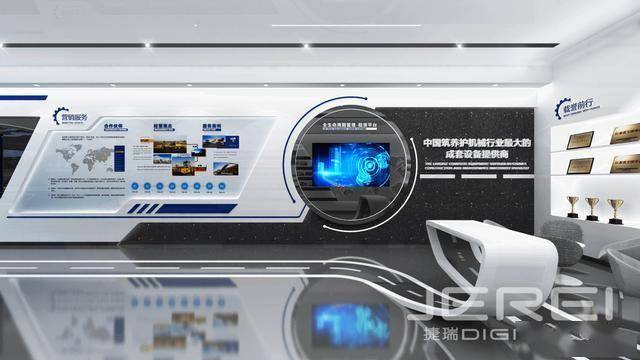
企业展厅——以空间叙事构建品牌价值场域
Sou Hu Cai Jing· 2025-08-28 08:47
Core Insights - The article emphasizes the transformation of corporate exhibition spaces from traditional display areas to core platforms for brand value expression, highlighting the importance of immersive experiences in conveying corporate strategy, culture, and technology [1] Group 1: Exhibition Hall Design - The design of corporate exhibition halls should prioritize user needs, with a focus on understanding the audience's profile, such as investors, partners, and general visitors [3] - A multi-layered narrative framework is essential for exhibition design, as demonstrated by a renewable energy company's exhibition that uses a storyline of "crisis awakening - technological breakthrough - ecological co-construction" [3] - The integration of technology should serve content expression, avoiding a cold, tech-heavy feel while enhancing product memory through interactive elements [3] Group 2: Spatial Layout Design - Spatial layout is a balance between audience movement and information density, with different layouts suited for varying narrative strengths [4] - The use of vertical space can enhance the perception of area, as seen in a project that utilized mirror ceilings and LED light strips to create a sense of expanded space [4] - Lighting design plays a crucial role in setting the emotional tone of the space, with different color temperatures used to evoke specific feelings in various exhibition areas [4] Group 3: Exhibition Hall Operation - A dynamic updating mechanism is recommended to maintain the vitality of the exhibition hall, combining fixed core exhibits with rotating auxiliary areas [5] - Data-driven operations can enhance space efficiency, utilizing tools like heat maps and eye-tracking to optimize visitor engagement [5] - The evolution of exhibition halls from "physical containers" to "ecological platforms" reflects a shift towards deeper brand-audience interactions, transforming visits into meaningful dialogues [5]

家居“爆款”的底层共性:产品哲学与品牌远见
3 6 Ke· 2025-08-26 10:41
Group 1: Core Competitiveness of the Home Furnishing Industry - The core competitiveness of the home furnishing industry has evolved from "manufacturing products" to "creating lifestyles," shifting from "selling functionality" to "selling emotions" [1] - The emergence of "explosive products" relies on understanding market demands and user preferences, moving beyond traditional sales approaches [1] - Successful "explosive products" provide exceptional experiences that resonate emotionally with users and emphasize high cost-performance ratios [1] Group 2: Brand Value and Influence - Home furnishing companies must not only focus on product excellence but also on brand value output, aligning with the market logic of "brand as content, product as medium" [2] - Long-term brand commitment is essential, as exemplified by companies aiming to establish themselves as century-old brands [2] - Creating personalized IP for brand communication enhances brand recognition and loyalty [2] - Leveraging large manufacturers' capabilities provides a competitive edge in efficiency and cost [2] - Trade shows are crucial platforms for brand value dissemination and industry engagement [2] Group 3: Product and Brand Logic - The two main lines of "explosive products" are product logic, where superior products gain market recognition, and brand logic, which focuses on continuous brand value output to build trust and loyalty [3]