品质性价比

Search documents
一个商场,全是自助,餐饮人其实也很无奈
虎嗅APP· 2026-01-12 09:23
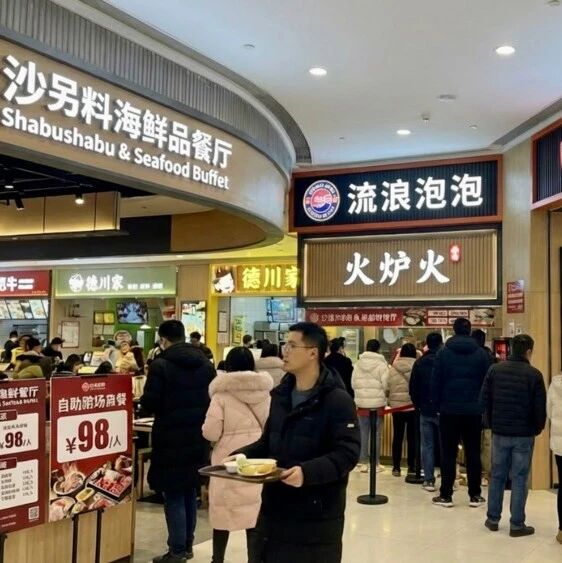
Core Viewpoint - The article discusses the rapid growth and popularity of the self-service restaurant model in China, highlighting its appeal to consumers and the strategic shifts by various brands to adopt this model for better customer engagement and operational efficiency [5][10][11]. Group 1: Market Trends - By the end of 2025, the total number of self-service restaurant outlets in China is expected to reach approximately 79,000, with 33,000 new openings in the past year [6]. - In key monitored shopping centers, the proportion of self-service dining outlets is projected to average 15.7% in 2025, an increase of about 0.8 percentage points from 2024 [6]. - Self-service restaurants are increasingly dominating shopping malls, with instances of up to 15 self-service restaurants coexisting in a single mall [7]. Group 2: Consumer Preferences - Consumers are shifting towards self-service dining due to improved quality and environment, with many expressing a preference for self-service options during holidays and gatherings [9]. - The new generation of consumers appreciates the variety and experience offered by self-service dining, viewing it as a way to enjoy diverse culinary options [10]. Group 3: Business Strategies - Major restaurant brands are increasingly integrating self-service models to enhance customer attraction and retention, particularly targeting family and young adult demographics [8][13]. - The self-service model is seen as a solution for various brands facing operational challenges, with some brands launching new self-service concepts to revitalize their offerings [11][15]. - Successful self-service restaurants focus on maintaining high quality and cost-effectiveness, with operational efficiencies allowing for better customer service and management [14][17]. Group 4: Competitive Landscape - The self-service dining market is becoming highly competitive, with many brands offering similar products, leading to a need for differentiation through quality and unique offerings [23]. - Brands are moving away from the traditional "all-you-can-eat" model to focus on quality over quantity, emphasizing a curated selection of high-quality ingredients [24]. - The rise of self-service dining is also seen in various sectors, including hotels and corporate cafeterias, which are adapting to consumer demand for affordable and quality dining experiences [21].

百果园董事长“教育消费者”言论上热搜,回应未能平息争议!一年关店近千家、市值缩水至26.9亿港元,加盟失控引发信任危机
Sou Hu Cai Jing· 2025-08-12 01:50
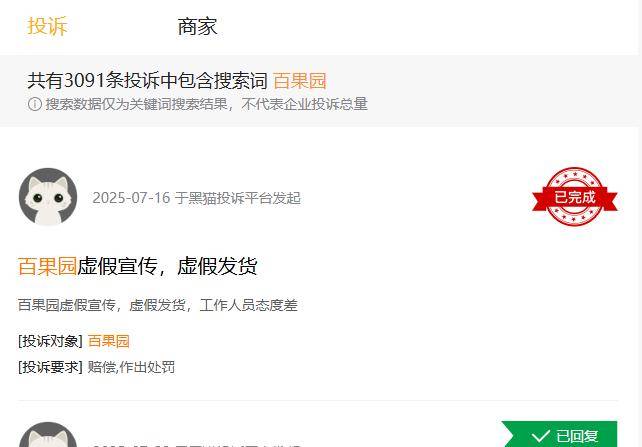
Core Viewpoint - The controversy surrounding the chairman of Baiguoyuan, Yu Huiyong, stems from his statement that the company will not cater to consumer demands, which has led to significant backlash and a decline in the company's performance metrics [1][2]. Financial Performance - In 2024, Baiguoyuan reported a revenue of 10.273 billion yuan, a decrease of 9.8% year-on-year, and a net loss of 386 million yuan [12]. - The company's gross profit fell by 41.9% to 760 million yuan [12]. - The total number of stores decreased from 6,093 to 5,127, with a net reduction of 966 stores within a year [4][11]. Membership and Customer Engagement - The number of paid members dropped from 1.171 million in 2023 to 854,000 by the end of 2024, marking a decline of 27.1% [4][11]. - The average daily foot traffic in some stores has significantly decreased, with reports of customer numbers dropping from 350 to 180 [4]. Quality and Consumer Trust Issues - Baiguoyuan has faced multiple quality issues, including the use of rotten fruits and mislabeling of products, which have damaged consumer trust [4][10]. - Complaints on platforms like Black Cat Complaints have exceeded 3,091, primarily concerning issues like "bad fruit not compensated" and "overpriced" products [5]. Business Model and Market Challenges - The majority of Baiguoyuan's stores (99%) are franchise-operated, leading to weak oversight and quality control from the headquarters [10]. - The shift in consumer preferences from "high-end premium" to "quality and cost-effectiveness" has intensified competition, with rivals offering similar products at prices 30% lower [11]. Strategic Response and Future Outlook - To survive in the competitive landscape, Baiguoyuan must return to its core principles of "quality first and service above all" and implement systemic changes in supply chain efficiency, franchise management, and brand trust [13].