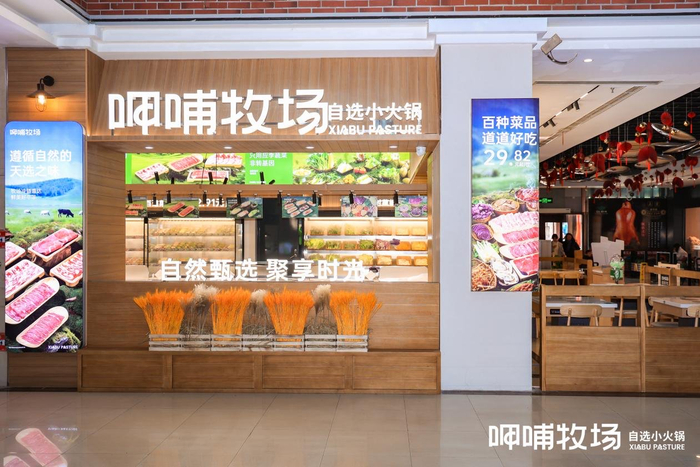
呷哺牧场自选小火锅

Search documents
一个商场,全是自助,餐饮人其实也很无奈
虎嗅APP· 2026-01-12 09:23
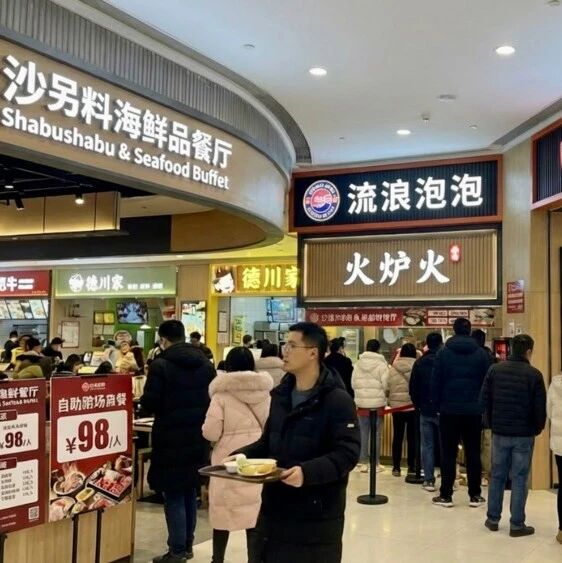
Core Viewpoint - The article discusses the rapid growth and popularity of the self-service restaurant model in China, highlighting its appeal to consumers and the strategic shifts by various brands to adopt this model for better customer engagement and operational efficiency [5][10][11]. Group 1: Market Trends - By the end of 2025, the total number of self-service restaurant outlets in China is expected to reach approximately 79,000, with 33,000 new openings in the past year [6]. - In key monitored shopping centers, the proportion of self-service dining outlets is projected to average 15.7% in 2025, an increase of about 0.8 percentage points from 2024 [6]. - Self-service restaurants are increasingly dominating shopping malls, with instances of up to 15 self-service restaurants coexisting in a single mall [7]. Group 2: Consumer Preferences - Consumers are shifting towards self-service dining due to improved quality and environment, with many expressing a preference for self-service options during holidays and gatherings [9]. - The new generation of consumers appreciates the variety and experience offered by self-service dining, viewing it as a way to enjoy diverse culinary options [10]. Group 3: Business Strategies - Major restaurant brands are increasingly integrating self-service models to enhance customer attraction and retention, particularly targeting family and young adult demographics [8][13]. - The self-service model is seen as a solution for various brands facing operational challenges, with some brands launching new self-service concepts to revitalize their offerings [11][15]. - Successful self-service restaurants focus on maintaining high quality and cost-effectiveness, with operational efficiencies allowing for better customer service and management [14][17]. Group 4: Competitive Landscape - The self-service dining market is becoming highly competitive, with many brands offering similar products, leading to a need for differentiation through quality and unique offerings [23]. - Brands are moving away from the traditional "all-you-can-eat" model to focus on quality over quantity, emphasizing a curated selection of high-quality ingredients [24]. - The rise of self-service dining is also seen in various sectors, including hotels and corporate cafeterias, which are adapting to consumer demand for affordable and quality dining experiences [21].

夺权大战下,双星名人发文称董事长汪军走访市场丨消费参考
2 1 Shi Ji Jing Ji Bao Dao· 2026-01-05 02:13
Group 1: Company Control Dispute - The control dispute of the century-old shoe company Dousheng Mingren has intensified, with founder Wang Hai publicly severing ties with his son Wang Jun and daughter-in-law Xu Ying, accusing them of brand betrayal and power grabs [1][2] - The conflict traces back to 2022 when Xu Ying's company acquired a 56.96% stake in Dousheng Mingren, making her the largest shareholder, which led to Wang Hai losing absolute control [1] - In December 2025, Xu Ying announced the board's decision to remove Wang Hai from his positions, which Wang Hai later contested as illegal and invalid, leading to ongoing legal proceedings [2] Group 2: Company Operations and Market Conditions - Despite the internal conflict, Wang Jun appears to maintain control over Dousheng Mingren, as he and Xu Ying led a market visit to address operational issues in Nanyang, including the termination of agency rights for a struggling company [3] - The overall industry is facing challenging conditions, with reports of significant losses in the domestic sales sector, exemplified by Peak's chairman noting a loss of over 130 million yuan in the first seven months of 2025 [4][5]


年终盘点|回归商业本质:餐饮业新业务、现炒与降价的突围战
Sou Hu Cai Jing· 2025-12-31 09:18
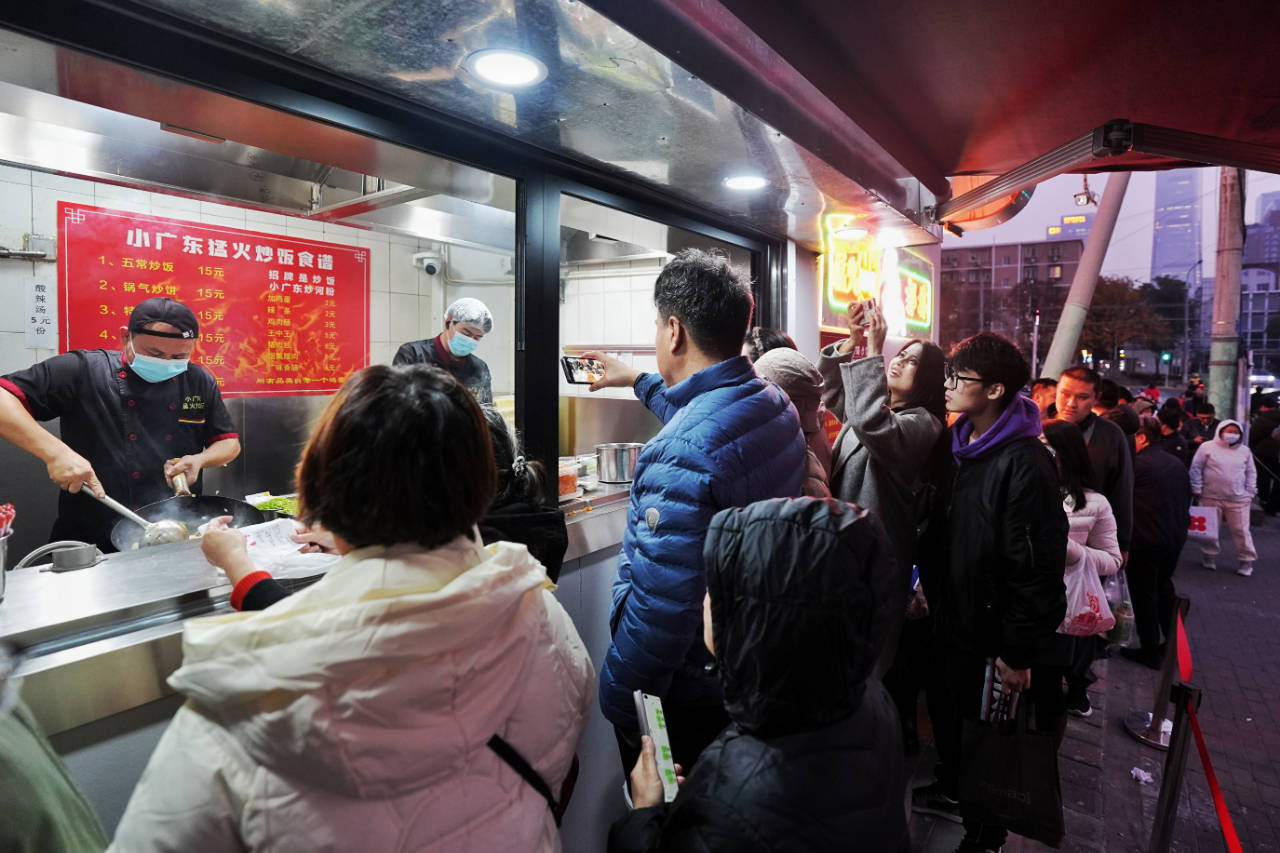
Core Insights - The restaurant industry in China is facing significant operational pressures in 2025, prompting companies to adopt various self-rescue strategies to regain consumer trust and focus on core business principles [1] Group 1: New Business Models - Major brands are launching sub-brands to explore new growth avenues, such as "Xiao Ma Liu" by Ma Liu Ji, which focuses on a lighter dining experience with a lower average spend of around 60 yuan compared to the main brand's 100 yuan [2] - Haidilao has opened community stores and a new style of hot pot restaurant, successfully diversifying into 14 different restaurant brands under its "Red Pomegranate Plan," generating 597 million yuan in revenue, a 227% year-on-year increase [2] - The introduction of new dining concepts like "Xiaboo Ranch" by Xiaoboo and "Bisheng Grilled Skewers" reflects a trend towards offering high-quality yet affordable dining experiences aimed at younger consumers [3] Group 2: Price Adjustments - Many restaurant brands have quietly reduced prices in response to declining customer spending, with notable examples including Jiumaojiu's price cuts and He Fu's 30% reduction in main product prices [4][5] - The average customer spending in the Chinese dining sector has seen a significant decline, with traditional Chinese dining experiencing a 29.5% drop in average spending since 2023 [5] Group 3: Shift Towards Freshly Cooked Meals - There is a growing consumer demand for freshly cooked meals, leading to a resurgence of "freshly stir-fried" offerings in the market, as seen with brands like Xi Bei and various noodle shops [6][7] - The trend towards "freshly cooked" is also influencing the takeaway sector, with companies like Qixian Xiaochu emphasizing fresh ingredients and transparent cooking processes [7] Group 4: Market Outlook - The overall revenue for the restaurant industry is projected to achieve low single-digit growth, reaching 5.7 trillion yuan in 2025, despite a high closure rate of restaurants [3] - Industry experts believe that returning to quality and service fundamentals will be crucial for companies to navigate the competitive landscape and seize new opportunities [8]

呷哺呷哺集团开拓业务新版图 “呷哺牧场” 高质价比自选小火锅抢占新消费阵地
Zheng Quan Ri Bao Zhi Sheng· 2025-12-30 10:44
Core Insights - The hot pot market is entering a new phase characterized by high quality and affordability, with the launch of a new self-service hot pot brand "Xiabuxiabu Ranch" by Xiabuxiabu Catering Management (China) Holdings Co., Ltd. [1][3] - The brand targets young consumers and emphasizes a "natural selection, enjoy food time" philosophy, aiming to provide a high-quality yet affordable dining experience [1][3]. Pricing Strategy - "Xiabuxiabu Ranch" offers a pricing strategy that includes dishes priced at 2.91 yuan, 5.91 yuan, and 8.91 yuan, with meat starting at 9.91 yuan, allowing for a single-person dining experience as low as 29.82 yuan, which includes a choice of broth, all condiments, and over thirty types of vegetables [4] - The brand also features unlimited drinks at 5.91 yuan and complimentary appetizers, ensuring a value-driven dining experience [4]. Quality Assurance - The brand leverages Xiabuxiabu's strong supply chain and quality control systems, utilizing organic lamb resources from a 161,000-acre ranch in Inner Mongolia, ensuring high-quality ingredients [4] - The company guarantees stable food quality through centralized procurement of premium beef, seafood, and fresh vegetables delivered daily [4]. Innovation in Model and Scenarios - The self-service hot pot model allows customers to choose from various ingredients in just 3-5 minutes, catering to diverse dining scenarios such as office lunches, student gatherings, and family meals [5] - The store layout includes both mall and community locations, with the first store accommodating up to 60 diners, enhancing customer experience and market adaptability through a high table turnover rate [5].