
商业规则

Search documents
6人消费19元顾客道歉称赔1元:一场关于消费尊严与商业底线的深度对话
Sou Hu Cai Jing· 2026-01-20 00:25
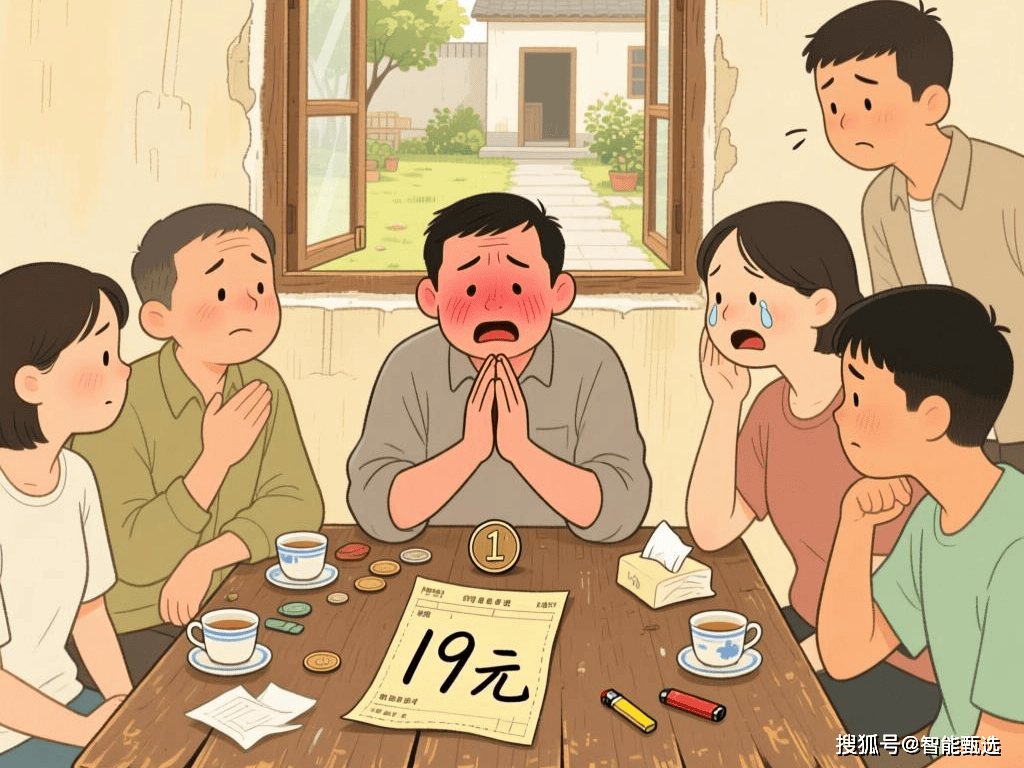
Core Viewpoint - The incident involving six customers consuming only 19 yuan at a hot pot restaurant highlights deeper societal contradictions regarding dignity, rules, and business ethics in contemporary consumer culture [1][3]. Group 1: Incident Overview - The event occurred in a third-tier city's self-service hot pot restaurant, which charges 29 yuan per person, including broth, ingredients, and drinks [3]. - The six customers only ordered a broth (19 yuan) and brought their own food, which led the restaurant to seek compensation after confirming through surveillance footage that no self-service ingredients were consumed [3]. - The restaurant's response to the public outcry emphasized the importance of respecting rules rather than merely seeking monetary compensation [3]. Group 2: Consumer Behavior and Economic Context - The customers' actions reflect a growing trend of "frugal economics" among young people, driven by increasing employment pressures and a noticeable trend of consumption downgrade [4]. - The incident raises questions about whether such frugality should override established rules, as the customers' choice to bring their own food indicates a disregard for the restaurant's policies [4]. - The psychological concept of the "broken windows effect" suggests that individuals may exploit perceived loopholes in rules when they believe there are no consequences [4]. Group 3: Business Implications - The pricing model of self-service restaurants relies on covering fixed costs through average consumer spending, and the 19 yuan contribution from the six customers is significantly below the breakeven point of 70% of average spending [4]. - The restaurant's decision to expose the incident on social media has sparked debates about privacy rights, as the surveillance footage could potentially identify the customers, raising legal concerns [6]. - The handling of the situation by the restaurant has been criticized as ineffective, as it escalated the issue from a dispute over rules to a privacy conflict, leading to negative public sentiment [6]. Group 4: Recommendations for Improvement - Businesses should consider private communication with customers to resolve issues rather than public exposure, and clearly display rules regarding outside food [7]. - There is a need for a balance between enforcing rules and maintaining a humane approach, such as offering discounts to customers facing financial difficulties [7]. - The incident underscores a broader trust deficit between businesses and consumers, necessitating a more inclusive consumer culture that acknowledges the challenges faced by low-income groups [7].

借“国家安全”之名,行掠夺之实!中企300亿养大的企业,荷兰说抢就抢?
Sou Hu Cai Jing· 2025-10-15 13:43
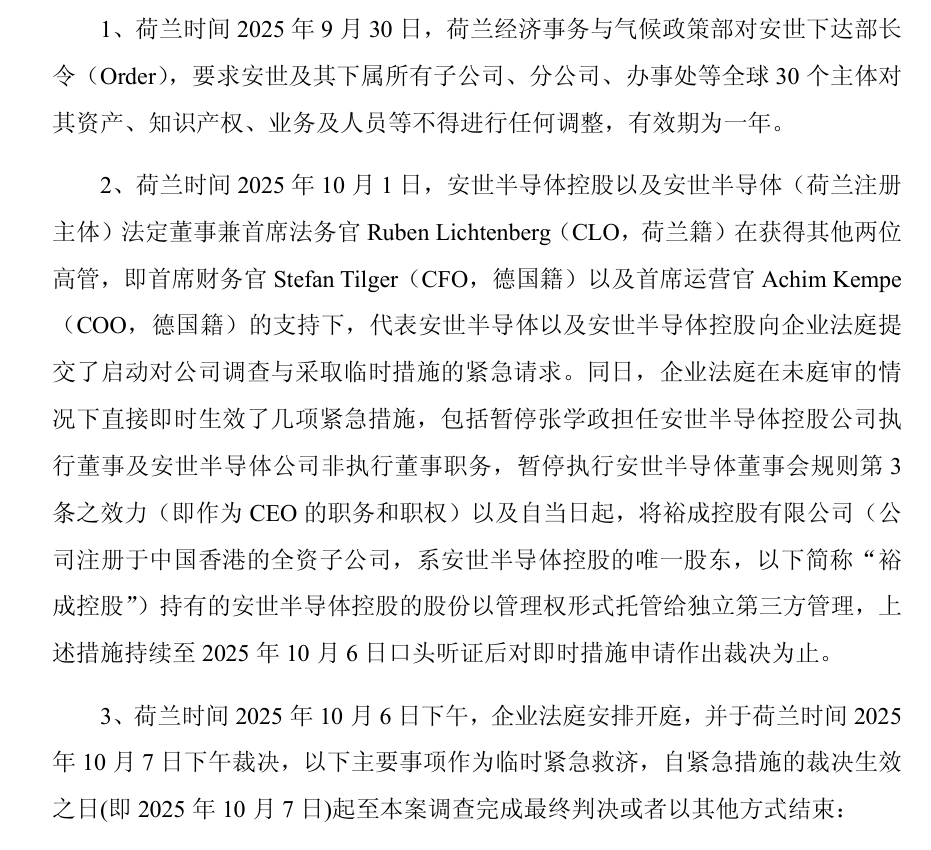
Core Viewpoint - The acquisition of Nexperia by China's Wingtech Technology has faced significant challenges due to the Dutch government's sudden asset freeze, citing national security concerns, which has effectively sidelined the Chinese company's management and decision-making authority [1][2]. Group 1: Company Overview - Nexperia is a globally recognized semiconductor IDM company, delivering over 90 billion products annually, with leading positions in diodes, transistors, and logic chips [1]. - Wingtech Technology invested over 30 billion RMB to acquire 100% of Nexperia between 2018 and 2020, despite having only 15.368 billion RMB in cash at that time [1]. - Under Wingtech's management, Nexperia's revenue peaked at 2.36 billion euros in 2022, with gross margin increasing from 25% in 2020 to 42.4% in 2022 [1]. Group 2: Government Actions and Reactions - In September 2025, the Dutch government issued a one-year asset freeze on Nexperia's global operations without substantial evidence, citing national security [1]. - The freeze included restrictions on assets, technology, business, and personnel, effectively removing Wingtech's management rights and decision-making power [1]. - The China Semiconductor Industry Association responded quickly, opposing the Dutch government's discriminatory measures against Chinese enterprises under the guise of national security [2]. Group 3: Lessons Learned - The situation highlights that core technologies cannot simply be acquired, as geopolitical factors can override commercial rules, leading to potential losses even after successful operations [2].

“现代海盗”!借“国家安全”之名,行强盗之实!中企300亿养大的企业,说抢就抢?
Sou Hu Cai Jing· 2025-10-15 09:17
Core Points - The article discusses the acquisition of Nexperia, a Dutch semiconductor company, by China's Wingtech Technology, highlighting the significant investment and subsequent challenges faced due to geopolitical tensions [1][2] - Wingtech Technology invested over 30 billion RMB to acquire 100% of Nexperia, which has become a leading player in the semiconductor industry, delivering over 90 billion products annually [1] - Under Wingtech's management, Nexperia's revenue peaked at 2.36 billion euros in 2022, with a gross margin increase from 25% in 2020 to 42.4% in 2022, achieving a "zero-debt" status by October 2024 [1] Company Summary - Nexperia is recognized as a global IDM semiconductor company, leading in the production of diodes and transistors, and ranking second in logic chips [1] - Wingtech Technology, previously the largest smartphone ODM manufacturer, faced a sudden asset freeze by the Dutch government citing "national security" concerns, impacting its operational control over Nexperia [1][2] - The Chinese semiconductor industry association condemned the Dutch government's actions as discriminatory and an abuse of the "national security" concept [2]